

 設置イメージを確認
 送る
送る シェア
シェア
 詳細情報
詳細情報 ガイドを表示

 画像をダウンロード
 似ている作品
 X線調査
X線調査 スライドショー
 統計情報
統計情報Sami Camp
 Oil On Canvas
- WallArt
- Romanticism
 1840
1840- 19th Century
 61.0 x 46.0 cm
 Nordnorsk Kunstmuseum
 続きを読む
続きを読む
ジークレー/アートプリント
スピーディーな制作と多彩な仕上げオプションが魅力の、ミュージアムクオリティなジークレー・キャンバスプリント。 ( 手描きの複製画を注文する デジタル画像販売へ切り替え)




































作品のオリジナル比率に合わせた、当店の規定サイズからお選びください。

額縁や壁のスペースに合わせて、ご希望の幅と高さを入力してください。プリントはカットすることは可能ですが、元の画像より大きくすることはできないため、異なる比率のサイズを選択された場合は、画像の一部が欠けることになります。印刷を開始する前に、内容を確認していただくためのデジタルモックアップをお送りいたします。このページに表示されている画像は、実際のカット後の状態を示すものではありません。実際の仕上がりはモックアップにてご確認ください。


 ガラスオプションは、110cm未満のサイズでのみご利用いただけます。

Sami Camp
ジークレー/アートプリント
複製画サイズ一覧
-


合計金額
¥ 12650
A Hearth in the Arctic Night: The Soul of Sami Camp
In the quiet, flickering glow of François Auguste Biard’s Sami Camp, we are transported far from the polished salons of 19th-century France into the raw, biting heart of the North. This evocative oil on canvas serves as more than a mere depiction of a nomadic dwelling; it is an intimate window into a world defined by resilience and the elemental struggle for survival. As the viewer’s eye enters the triangular sanctuary of the tent, they are immediately drawn to the central fire pit, the pulsing heart of the composition. Here, Biard captures a moment of profound stillness amidst the harshness of the landscape, where the warmth of the hearth meets the encroaching shadows of the Arctic wilderness.
The painting is a masterclass in atmospheric storytelling, utilizing a palette of earthy ochres, deep browns, and muted creams to ground the scene in a sense of rugged reality. Biard employs a sophisticated interplay of light and shadow, where the golden radiance emanating from the central fire dances against the cool, encroaching blues and whites of the snow visible through the tent's opening. This contrast does more than create depth; it establishes a powerful emotional duality between the safety of the communal interior and the unforgiving exterior. The lighting, filtering in from the upper left, casts long, dramatic shadows that lend a sculptural quality to the figures, emphasizing their stoic presence within the frame.
Technique and the Texture of Tradition
Biard’s technical prowess is evident in his ability to translate tactile sensations onto the canvas. Through deliberate, textured brushstrokes, he recreates the heavy weight of fur clothing, the coarse grain of the tent’s fabric, and the soft, powdery accumulation of snow. There is a palpable sense of touch in this work; one can almost feel the roughness of the weathered poles and the warmth radiating from the embers. His style, rooted in the traditions of realism with a romanticist's eye for the exotic, avoids sterile perfection in favor of a more organic, lived-in aesthetic. The lines are often broken and irregular, mirroring the natural imperfections of a life lived in close harmony with a demanding environment.
For the discerning collector or interior designer, Sami Camp offers a profound sense of narrative depth that transcends simple decoration. It is a piece that invites contemplation, making it an ideal focal point for spaces designed to evoke warmth, history, and cultural appreciation. The artwork does not merely occupy a wall; it commands a room, providing a soulful anchor that speaks to the universal human themes of community, protection, and the enduring spirit of adaptation. Whether placed in a contemporary setting to provide a rustic contrast or within a classical collection to highlight 19th-century ethnographic exploration, this reproduction brings with it the timeless magic of Biard’s adventurous vision.
よくあるご質問
「Sami Camp」が制作されたとき、Francois Auguste Biardは何歳でしたか?
Francois Auguste Biardは41歳の時に「Sami Camp」を制作しました。作家は1799年に生まれ、本作の制作年は1840年です。
Francois Auguste Biard作「Sami Camp」のどのプリントサイズが、推奨されているお部屋に最適ですか?
Coffee Shopには、Francois Auguste Biard作「Sami Camp」の推奨プリントサイズはSmallです。
Francois Auguste Biard作「Sami Camp」において、芸術運動と時代はどのように交差しているのでしょうか?
Francois Auguste Biard作「Sami Camp」は、作者の19th Centuryという時代における、Romanticismのムーブメントに位置づけられます。
アーティストについて
The Adventurous Spirit of François Auguste Biard
François Auguste Biard stands as a singular figure in 19th-century French art, distinguished not merely by his prolific output but also by an audacious spirit—a willingness to embrace adventure and challenge conventional artistic norms. Born in Lyon in 1799 as François Thérèse Biard, he lived a life that defied the expectations of his clergyman father. Rather than pursuing the pulpit, Biard embraced a passion for painting that would propel him through Europe and beyond, shaping an oeuvre enriched by experiences gleaned from diverse cultures and landscapes. His legacy resides not only in his celebrated genre scenes but also in his pioneering role as one of the first European painters to document encounters with indigenous populations, a bold undertaking that foreshadowed developments in ethnographic art decades later.
Biard’s formative years were marked by a deliberate rejection of clerical ambitions, fueled by an innate artistic inclination. His early training began in the practical world of a wallpaper factory in Lyon, providing him with a foundational understanding of color and texture. Eventually, his talent led him to the prestigious École des Beaux-Arts, where he honed his skills under the tutelage of Pierre Révolet and later Fleury François Richard. These mentors championed a style rooted in keen observation and psychological insight. Unlike many of his contemporaries who were preoccupied with grand historical narratives or idealized mythological subjects, Biard focused on capturing the nuances of everyday life and portraying human emotions with an unflinching honesty that became a hallmark of his artistic identity.
A Journey Through Light and Landscape
Biard’s wanderlust propelled him across Italy, Greece, and the Middle East, each destination enriching his visual vocabulary and providing him with an unparalleled trove of material. However, it was his expedition to Spitzbergen and Lapland in 1839—accompanied by Léonie d’Aunet—that irrevocably transformed his artistic trajectory. This journey into the Arctic wilderness yielded hundreds of landscape sketches and portraits that captured the raw, biting heart of the North. In works such as Sami Camp, the viewer is transported far from the polished salons of Paris into a world defined by resilience and the elemental struggle for survival. Through the flickering glow of a central fire pit within a nomadic tent, Biard masterfully captures the intimacy of life in extreme environments.
His travels also allowed him to explore themes of maritime history and colonial encounters. As an official marine painter, he created powerful history paintings dedicated to famous sailors, such as Abordage d'un vaisseau, which depicts the intense confusion and drama of a naval battle involving Captain Jean Bart. His ability to balance warm and cold colors, combined with angled composition lines, allowed him to accentuate the kinetic energy of combat. This versatility—moving from the quiet, frozen landscapes of the Arctic to the high-stakes drama of the sea—demonstrates a technical range that few of his peers could match.
Legacy of Observation and Realism
The historical significance of Biard lies in his ability to blend the Romantic movement's emphasis on emotion and imagination with a burgeoning interest in realism. His paintings often feature opulent gatherings, such as Le salon de M. le comte de Nieuwerkerke, where he utilizes an academic style and rich colors to document the social strata of his time. Yet, even within these formal settings, there is a sense of authenticity and attention to detail that prevents the work from becoming mere decoration. Whether depicting the grand chandeliers of a French salon or the humble dwellings of indigenous tribes, Biard maintained a commitment to documenting the world as he saw it.
Ultimately, François Auguste Biard’s contribution to art history is defined by his role as an observer-explorer. His life's work serves as a visual bridge between the traditional European academic style and the modern era of ethnographic documentation. By bringing the distant corners of the globe into the view of the French public, he expanded the boundaries of what genre painting could achieve, leaving behind a body of work that remains as captivating and adventurous as the man himself.

Francois Auguste Biard
1799 - 1882
アーティスト情報
- Full Name: François Auguste Biard
- Nationality: French
- Date Of Birth: 1799
- Date Of Death: 1882
- Place Of Birth: Lyon, France
- Notable Artworks:
- Abordage d
- Fight with Polar Bears
- Untitled
- Artistic Movement Or Style: Romanticism
- Artists Who Influenced This Artist:
- Pierre Révoil
- Fleury François Richard
- Artists Or Movements Influenced By This Artist: ['Théophile Gautier']
関連記事
Harmonizing History & Hue: A Guide to Matching Art Styles with Interior Architecture for Balanced Décor
Elevate your interior design with our expert guide to harmonizing art styles & architecture. Discover timeless pieces, color palettes, & custom artwork solutions for balanced, luxury spaces. Expert advice included!
感情と空間:内装でムードを創造するアートのキュレーション術
OriginalUniqueArtで、感情と空間を繋ぐアートのキュレーション。色彩心理学に基づいた絵画選びから、写真からのカスタムアートまで、専門家が理想のムードを実現するお手伝いをします。無料相談受付中!
The Resonance of Place: Contextual Art Design for Harmonious Interior Spaces
Discover how expert art curation transforms interiors into harmonious spaces. Elevate your home with personalized selections & the guidance of a dedicated art concierge at OriginalUniqueArt.com.
古典と現代の調和:大胆な抽象芸術がクラシックインテリアに与える影響
抽象表現主義がクラシックインテリアに与える影響を解説。色彩心理学や空間への効果、著名なアーティストの作品を紹介します。OriginalUniqueArt.comで理想のアートピースを見つけ、洗練された空間を実現しましょう。
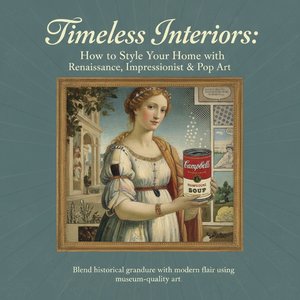
時代を超越するインテリア美学:ルネサンス様式、印象派の光彩、そして現代的空間への調和
ルネサンス様式から印象派、現代アートまで。美術史に基づいたインテリア美学を解説。OriginalUniqueArt.comで至高の油絵複製やカスタムアートを手に入れ、あなただけの空間を創造しましょう。無料相談受付中。