
 プレビュー
プレビュー
 プリントを購入
 シェアする
シェアする シェアする
シェアする
 詳細を見る
詳細を見る

 ダウンロード
 似ている作品
 X線調査
X線調査 スライドショー
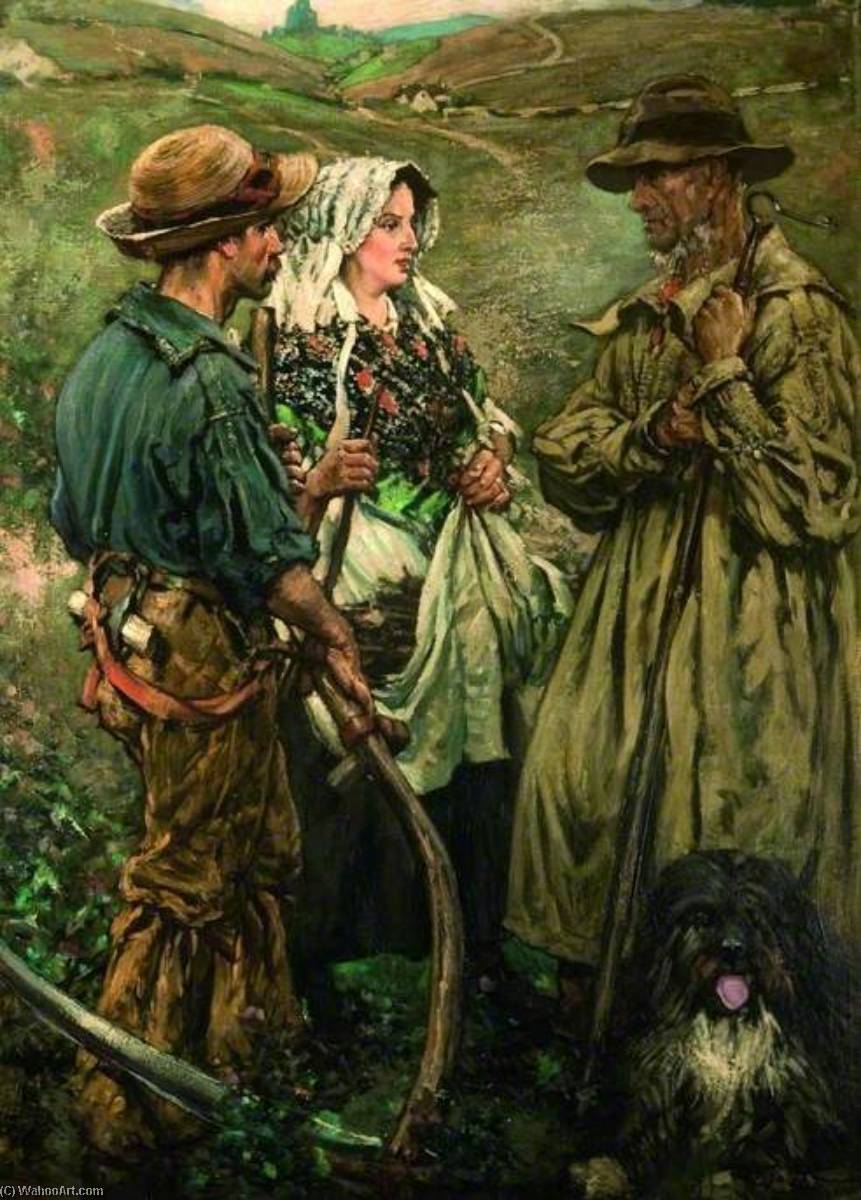
Dorset
 1927
1927 146.0 x 106.0 cm
 詳細を見る
詳細を見る
オンラインプレビューをはるかに凌ぐ、高解像度で鮮明なデジタル画像をご購入いただけます。
各ファイルは、社内の専門家が高度なツールと熟練した手作業によるレタッチを用いて、細心の注意を払って準備されています。すべての画像において、卓越した鮮明度、正確な色彩再現性、そして繊細なディテールを保証いたします。
最終ファイルは、プロフェッショナルな編集・印刷環境ですぐにご利用いただけるよう最適化された状態で、72時間以内にメールにてお届けいたします。これは、一流のデザインスタジオ、出版社、ギャラリーから信頼されているものと同等の品質です。
デジタル画像のご注文に付随する特典
高品質なデジタル画像配信を、確かな品質で。
OriginalUniqueArt.com を選ぶことは、単に画像を手に入れることではありません。それは、プロの手によって精密に仕上げられ、満足保証が付いた高品質なデジタルアートワークを受け取ることを意味します。ご注文いただいた際に自動的に付随する内容は、以下の通りです:

メールですぐにお届け
ご注文から72時間以内に、高解像度のデジタル画像ファイルがメールでお手元に届きます。すぐにそのままご利用いただけます。

AI技術で最適化されたデジタルファイル
お客様の作品は、高度なAIツールと専門家による手作業の編集を組み合わせてプロフェッショナルに最適化されており、細部のディテール、鮮明さ、そして正確な色再現性を最大限に引き出しています。

一生涯無料の再送サービス
ファイルを誤って削除したり、紛失してしまったりしましたか?ご安心ください。いつでも無料で再送いたします。

輸入手数料は一切かかりません
関税や手数料、配送料を気にすることなく、お気に入りのアートワークをすぐにお楽しみいただけます。デジタルダウンロードは常に免税です。

色彩再現の保証
プロ仕様のツールとカラーマネジメント技術を用いることで、デジタル画像が元の色を最大限に忠実に再現することを保証いたします。

100日間満足保証
ご購入いただいたデジタル画像にご満足いただけない場合は、100日以内であれば、修正または100%の返金(理由を問う必要はありません)をさせていただきます。

100% 返金保証
ご満足いただけない場合は、デジタルファイルを受け取ってから100日以内であれば、理由を問わず全額返金いたします。

まとめ買い割引
3枚購入で10%OFF - 5枚購入で15%OFF - 10枚以上購入で20%OFF。クリエイティブなプロジェクト、ギャラリー、エージェンシーに最適です。
作家の略歴
The Visionary Architect of the Glasgow Style
Francis Henry Newbery stands as a monumental figure in the tapestry of British art, a man whose influence stretched far beyond the bristles of his paintbrush to reshape the very foundations of art education in Scotland. Born in 1855 in the quiet landscapes of Devon, Newbery’s early life was rooted in the honest craftsmanship of his father, a shoemaker. This early exposure to the tactile beauty of manual skill would later become a cornerstone of his artistic philosophy. After honing his pedagogical talents in Bridport, Dorset, a transformative scholarship to London’s Slade School of Art in 1881 thrust him into a vibrant world of creative exchange. It was here that he forged vital connections with luminaries such as James Guthrie and John Lavery, establishing a stylistic lineage that would eventually link the traditions of London to the burgeoning modernism of the north.
When Newbery assumed the directorship of the Glasgow School of Art in 1885, he did not merely occupy an office; he ignited a revolution. With a visionary's foresight, he dismantled the rigid, instructor-led hierarchies of the era, choosing instead to populate the faculty with practicing artists. This bold move ensured that the school became a living laboratory of contemporary technique rather than a stagnant repository of tradition. His tenure, which lasted until 1917, was characterized by an unwavering belief in the marriage of fine art and functional craft. By establishing workshops and introducing embroidery classes—often supported by the creative spirit of his wife, Jessie Newbery—he helped cultivate an environment where the decorative arts could flourish alongside classical painting.
A Legacy of Collaboration and Design
Perhaps Newbery’s most enduring contribution to the architectural and visual identity of Scotland was his profound collaboration with Charles Rennie Mackintosh. Recognizing that a school of such ambition required a physical vessel of equal greatness, Newbery played a crucial role in commissioning Mackintosh to design the iconic Glasgow School of Art building. This partnership was more than administrative; it was a shared aesthetic mission. Under Newbery’s stewardship, the Glasgow Style began to coalesce, defined by its elegant geometric forms, organic motifs, and a unique synthesis of tradition and modernity. He did not merely oversee a movement; he nurtured the very soil in which it grew, providing the institutional support necessary for Mackintosh and his circle to redefine the visual language of the early 20th century.
Newbery’s own artistic output reflected this deep appreciation for texture, light, and narrative. His paintings often resonated with the sensibilities of the Glasgow Boys, capturing moments of quiet introspection or dramatic historical weight. Whether through the serene, sun-drenched atmosphere of Daydreams or the evocative, textured elegance found in The Lady of the Carnation, his work demonstrates a mastery of oil painting that balances realism with a burgeoning modern decorative impulse. His ability to weave together the romanticism of the past with the structural innovations of the present allowed him to remain relevant across decades of shifting artistic tides.
Historical Significance and Enduring Influence
The historical significance of Francis Henry Newbery lies in his role as a bridge between eras. He bridged the gap between the Victorian era’s reverence for craftsmanship and the modern era’s embrace of abstraction and design. His leadership transformed Glasgow into an international hub of artistic excellence, ensuring that the city's creative output was recognized far beyond the borders of the United Kingdom. Even after his retirement to the tranquil surroundings of Corfe Castle in Dorset, where he continued to paint until 1932, his impact remained etched in the stone and spirit of Glasgow.
To study Newbery is to study the evolution of the modern art school. His achievements can be summarized through several key pillars of his career:
- Educational Reform: The implementation of a faculty composed of active, practicing artists to prioritize contemporary relevance over rote instruction.
- Architectural Vision: The pivotal role in commissioning and supporting the Mackintosh-designed Glasgow School of Art building.
- Promotion of the Glasgow Style: Creating an institutional sanctuary for the development of unique Scottish decorative motifs and geometric aesthetics.
- Integration of Crafts: Fostering a multidisciplinary approach that elevated embroidery, design, and fine art to a unified standard of excellence.
Ultimately, Francis Henry Newbery was more than a director or a painter; he was the custodian of a movement. Through his tireless advocacy for individual talent and his belief in the harmony of art and architecture, he ensured that the flame of Scottish creativity would burn with a distinctive and unforgettable brilliance.

francis henry newbery
1855 - 1946
プロフィール概要
- Artistic Movement Or Style: Glasgow Style
- Artists Or Movements Influenced By This Artist: ['Mackintosh Designs']
- Artists Who Influenced This Artist:
- James Guthrie
- John Lavery
- Date Of Birth: 1855
- Date Of Death: 1946
- Full Name: Francis Henry Newbery
- Nationality: British
- Notable Artworks:
- The Lady of the Carnation
- Herbert Fitton Stockdale
- The Spirit of Bridport
- Place Of Birth: Devon, England