

 プレビュー
プレビュー
 シェアする
シェアする シェアする
シェアする
 詳細を見る
詳細を見る

 ダウンロード
 似ている作品
 X線調査
X線調査 スライドショー
Second Version of Triptych 1944


 詳細を見る
詳細を見る
オンラインプレビューをはるかに凌ぐ、高解像度で鮮明なデジタル画像をご購入いただけます。
各ファイルは、社内の専門家が高度なツールと熟練した手作業によるレタッチを用いて、細心の注意を払って準備されています。すべての画像において、卓越した鮮明度、正確な色彩再現性、そして繊細なディテールを保証いたします。
最終ファイルは、プロフェッショナルな編集・印刷環境ですぐにご利用いただけるよう最適化された状態で、72時間以内にメールにてお届けいたします。これは、一流のデザインスタジオ、出版社、ギャラリーから信頼されているものと同等の品質です。
デジタルアート
個人での鑑賞、印刷、クリエイティブなプロジェクト用に、高解像度ファイルをダウンロードできます。 ( プリント版に切り替え 手描き画への切り替え)
デジタル画像のご注文に付随する特典
高品質なデジタル画像配信を、確かな品質で。
OriginalUniqueArt.com を選ぶことは、単に画像を手に入れることではありません。それは、プロの手によって精密に仕上げられ、満足保証が付いた高品質なデジタルアートワークを受け取ることを意味します。ご注文いただいた際に自動的に付随する内容は、以下の通りです:

メールですぐにお届け
ご注文から72時間以内に、高解像度のデジタル画像ファイルがメールでお手元に届きます。すぐにそのままご利用いただけます。

AI技術で最適化されたデジタルファイル
お客様の作品は、高度なAIツールと専門家による手作業の編集を組み合わせてプロフェッショナルに最適化されており、細部のディテール、鮮明さ、そして正確な色再現性を最大限に引き出しています。

一生涯無料の再送サービス
ファイルを誤って削除したり、紛失してしまったりしましたか?ご安心ください。いつでも無料で再送いたします。

輸入手数料は一切かかりません
関税や手数料、配送料を気にすることなく、お気に入りのアートワークをすぐにお楽しみいただけます。デジタルダウンロードは常に免税です。

色彩再現の保証
プロ仕様のツールとカラーマネジメント技術を用いることで、デジタル画像が元の色を最大限に忠実に再現することを保証いたします。

60日間満足保証
ご購入いただいたデジタル画像にご満足いただけない場合は、60日以内であれば、修正または100%の返金(理由を問う必要はありません)をさせていただきます。

100% 返金保証
ご満足いただけない場合は、デジタルファイルを受け取ってから60日以内であれば、理由を問わず全額返金いたします。

まとめ買い割引
3枚購入で10%OFF - 5枚購入で15%OFF - 10枚以上購入で20%OFF。クリエイティブなプロジェクト、ギャラリー、エージェンシーに最適です。
作品の詳細
Second Version of Triptych 1944: A Descent Into Visceral Horror
Francis Bacon’s *Second Version of Triptych 1944*, completed in 1988, stands as a monumental testament to the artist's unwavering commitment to confronting the darkest recesses of human experience. It is not merely a repetition of his seminal 1944 masterpiece, *Three Studies for Figures at the Base of a Crucifixion*; rather, it’s an amplification—a deliberate deepening of the unsettling psychological landscape established by its predecessor. Executed in acrylic on canvas, this expansive piece embodies Bacon's signature style: grotesque, fragmented figures rendered against a stark crimson backdrop that pulsates with latent menace.- Historical Context
- Stylistic Innovations
- Symbolism and Imagery
- Technique: The Alchemy of Texture
- Emotional Resonance
Historical Context: Echoes of Trauma and Artistic Legacy
Bacon’s artistic journey began amidst the turbulent aftermath of World War II, a period marked by profound disillusionment and existential questioning. Influenced heavily by Picasso's biomorphs—distorted representations of human forms—and deeply affected by Nietzsche’s philosophy of eternal recurrence, Bacon wrestled with themes of suffering, mortality, and the inescapable brutality inherent in existence. *Three Studies for Figures at the Base of a Crucifixion*, created just two years prior, served as a crucible for these anxieties, distilling them into three powerfully unsettling images—a man seated on a bench, a figure standing before a red wall, and a man holding an umbrella beside a chair. The triptych’s genesis in Aeschylus's *Oresteia*, specifically the Furies—demons embodying retribution and vengeance—underscores Bacon’s preoccupation with primal forces and moral dilemmas. The 1988 reworking wasn’t simply a casual revisiting of this iconic work; it was a conscious effort to grapple with the legacy of its initial impact, acknowledging both its aesthetic brilliance and its unsettling psychological depth.Stylistic Innovations: Expanding Upon Formality
While retaining the core compositional elements of *Three Studies*, Bacon dramatically increased the scale of his second version—reaching 78 × 58 inches—a decision that profoundly altered the artwork’s expressive potential. The crimson hue replacing the burnt orange background intensifies the sense of dread and claustrophobia, mirroring the psychological tension inherent in the original. Critics noted a subtle shift away from the stark simplicity of the earlier piece; Bacon deliberately layered textures and employed techniques designed to heighten visual impact. This deliberate expansion wasn’t merely about grandeur—it was about allowing for a more immersive experience of the artwork's unsettling imagery. As John Russell observed, “there was painting in England before the Three Studies, and painting after them, and no one ... can confuse the two.”Symbolism and Imagery: Confronting The Primordial
The figures themselves—rendered in acrylic on canvas—remain strikingly similar to those depicted in *Three Studies*, embodying Bacon’s fascination with distorted human forms. These semi-anthropomorphic creatures are positioned against a backdrop that evokes the desolate landscapes of myth and legend, mirroring the influence of Nietzsche's philosophy. The deliberate fragmentation of the figures—their limbs contorted into grotesque postures—serves as a visual metaphor for psychological disintegration and the inescapable confrontation with mortality. Bacon’s use of geometric structures—the three radiating lines from the central figure—further reinforces this thematic preoccupation, channeling the energy of ancient Greek tragedy and highlighting the inescapable cycle of violence and retribution.Technique: The Alchemy of Texture
Bacon's meticulous approach to painting involved layering acrylic paint onto canvas with painstaking precision. He achieved remarkable textural effects through a combination of brushstrokes and glazing techniques—a deliberate departure from more polished styles prevalent at the time. The resulting surface is characterized by palpable roughness, conveying an immediacy and visceral energy that transcends mere visual representation. This technique wasn’t simply about achieving aesthetic beauty; it was about capturing the essence of psychological torment—the feeling of being trapped within a suffocating space where primal forces threaten to overwhelm reason.Emotional Resonance: An Unflinching Portrait of Darkness
Ultimately, *Second Version of Triptych 1944* succeeds in conveying Bacon’s profound pessimism and his unwavering commitment to confronting the darkest aspects of human consciousness. Like its predecessor, it refuses to offer easy answers or comforting illusions—instead presenting a starkly honest depiction of suffering, fear, and the inescapable confrontation with death. It stands as a powerful reminder that art can serve as a catalyst for introspection and a conduit for grappling with existential anxieties—a legacy cemented by Bacon’s enduring influence on subsequent generations of artists.作家の略歴
激動の時代を映し出す魂:フランシス・ベーコンの世界
フランシス・ベーコン。その名は、20世紀美術における感情の奔流、人間の内面の深淵を覗き込むような作品群と切り離すことはできないでしょう。1909年、アイルランドのダブリンで生まれ、イギリスで芸術家としての道を歩んだベーコンは、伝統的な絵画表現を打ち破り、激しい感情と存在不安を具現化した独自のスタイルを確立しました。彼の作品は、見る者に強烈な衝撃を与え、人間の本質に深く問いかける力を持っています。幼少期をアイルランドとイングランドの間で過ごしたベーコンは、不安定な家庭環境の中で、自身のアイデンティティを模索し続けたと言われています。競馬やギャンブルといった放浪生活を送る中で、彼は社会の暗部や人間の脆弱性を目の当たりにし、それが後の作品に深く影響を与えたのでしょう。正式な美術教育を受けたわけではありませんが、パブロ・ピカソの形態変形、エゴン・シーレの表現主義的な人間描写、そしてセルゲイ・エイゼンシュテイン監督の映画『戦艦ポテムキン』における人間の苦悶を象徴する顔のクローズアップなど、様々な芸術作品からインスピレーションを得て、独自の視覚言語を構築していきました。苦悩と孤独が織りなす表現:ベーコンの画風
ベーコンの絵画は、しばしば歪んだ人体、閉塞的な空間、そして強烈な色彩によって特徴づけられます。彼の作品に登場する人物たちは、まるで檻の中に閉じ込められたかのように、孤立し、苦悩を抱えています。それは、人間の存在そのものが持つ脆弱性、孤独感、そして死の不可避性を表現しているかのようです。『三位一体像』(1944年)は、ベーコンの画風を決定づけた重要な作品として知られています。十字架の下に横たわる人物たちは、宗教的な殉教者ではなく、人間の苦しみそのものを象徴する存在として描かれています。彼らの肉体は歪み、断片化され、背景となる空間は狭く閉塞的です。ベーコンは、伝統的な絵画における美の概念を完全に否定し、人間の内面に潜む暗い感情を赤裸々に表現することで、見る者に強烈な衝撃を与えました。また、彼はしばしばヴェロネーゼの『インノケンツ10世教皇の肖像』をモチーフに、自身の作品を制作しました。しかし、ベーコンの手による教皇の姿は、威厳と権力を象徴するものではなく、絶望と狂気を孕んだ叫び声を上げる存在へと変貌しています。生と死、愛と憎しみ:ベーコンのテーマ
ベーコンの作品には、人間の生と死、愛と憎しみといった普遍的なテーマが繰り返し登場します。彼の描く肖像画は、単なる外見の再現ではなく、被写体の内面を深く掘り下げた心理描写として評価されています。特に、恋人であったジョージ・ダイアーの姿を描いた作品群は、二人の複雑な関係性、そしてその悲劇的な結末を暗示しているかのようです。ベーコンは、自身の作品を通して、人間の存在に内在する苦悩や不安を表現することで、見る者に自己の内面と向き合うことを促しました。彼の作品は、決して安易な慰めを与えるものではありませんが、人間の本質に深く触れることで、新たな気づきを与えてくれるでしょう。現代美術への影響:ベーコンの遺産
フランシス・ベーコンは、20世紀を代表する表現主義者の一人として、その後の現代美術に多大な影響を与えました。彼の作品は、抽象表現主義やポップアートといった様々な芸術運動に影響を与え、多くのアーティストにインスピレーションを与え続けています。また、彼の絵画における人間の内面への探求は、心理学や哲学といった分野にも影響を与え、人間の精神世界に対する理解を深める一助となっています。ベーコンの作品は、オークション市場においても高値で取引され、その芸術的価値と歴史的重要性を示しています。今日に至るまで、彼の作品は世界中の美術館に収蔵され、多くの人々に感動を与え続けています。フランシス・ベーコンは、人間の本質を深く探求し、激しい感情を具現化した作品を通して、現代美術の新たな地平を切り開いた偉大な芸術家であると言えるでしょう。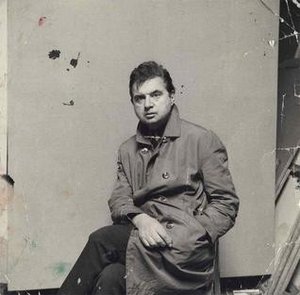
フランシス・ベーコン
1909 - 1992 , アイルランド
プロフィール概要
- フルネーム: フランシス・ベーコン
- 主な作品:
- Three Studies...
- Pope series
- George Dyer portrait
- 出生地: ダブリン、アイルランド
- 国籍: アイルランド系イギリス人
- 影響を与えたアーティスト: ['戦後表現主義']
- 影響を受けたアーティスト:
- パブロ・ピカソ
- エゴン・シーレ
- 死亡年月日: 1992年4月26日
- 生年月日: 1909年10月28日
- 芸術運動またはスタイル: 表現主義

