

 設置イメージを確認
 送る
送る シェア
シェア
 詳細情報
詳細情報 ガイドを表示

 画像をダウンロード
 似ている作品
 X線調査
X線調査 スライドショー
 統計情報
統計情報Seated Figure


 続きを読む
続きを読む
このページに掲載されている作品は著作権法によって保護されており、当社の許可なく同一の複製物を制作または販売することは法律で禁じられています。この保護は、以下のような国際条約に基づき執行されます。 ベルヌ条約 および、以下の条項に定められたものを含む各国の法律により、 米国著作権法 第17編。
この手法は、著作権で保護された作品の複製や複写を伴わないため、著作権法に完全に準拠しています。これは単なる模倣ではなく、創造的な再解釈です。元の作品からインスピレーションを受けつつも、それとは異なる、全く新しい絵画を生み出すものです。
ジークレー/アートプリント
スピーディーな制作と多彩な仕上げオプションが魅力の、ミュージアムクオリティなジークレー・キャンバスプリント。 ( 手描きの複製画を注文する デジタル画像販売へ切り替え)




P118B ¥10

P118H ¥10

P118W ¥10

P438Z ¥10

P508JH ¥12

P508YH ¥12

P805H ¥10

P805Z ¥10

P919BZ ¥10

P919G ¥10

P919XJ ¥10

P959ZH ¥10

P968JZ ¥12

W106C ¥8

W218G ¥10

W218JH ¥8

W218Y ¥10

W307PJ ¥10

W316G ¥10

W316PJ ¥8

W316Y ¥10

W398PJ ¥8

W4111J ¥10

W500HY ¥15

W500JH ¥15

W692G ¥12

W849H ¥8

W940BG ¥15

W953PJ ¥8




作品のオリジナル比率に合わせた、当店の規定サイズからお選びください。

額縁や壁のスペースに合わせて、ご希望の幅と高さを入力してください。プリントはカットすることは可能ですが、元の画像より大きくすることはできないため、異なる比率のサイズを選択された場合は、画像の一部が欠けることになります。印刷を開始する前に、内容を確認していただくためのデジタルモックアップをお送りいたします。このページに表示されている画像は、実際のカット後の状態を示すものではありません。実際の仕上がりはモックアップにてご確認ください。


 ガラスオプションは、110cm未満のサイズでのみご利用いただけます。

Seated Figure
ジークレー/アートプリント
複製画サイズ一覧
-


合計金額
¥ 12604
A Descent into Anguish: Unpacking Francis Bacon’s ‘Seated Figure’
Francis Bacon's “Seated Figure,” painted in 1961, isn’t merely a portrait; it’s an excavation of the human psyche, a raw and unsettling glimpse into the depths of isolation and existential dread. This work, residing within the intimate confines of Bacon’s London studio at 7 Reece Mews, immediately confronts the viewer with a figure rendered in agonizing distortion – a slumped man seemingly trapped within the claustrophobic space defined by a worn couch and shadowed curtains. It's a painting that lingers long after viewing, prompting reflection on themes of loneliness, anxiety, and the inherent vulnerability of the human condition.
Bacon’s signature style is powerfully evident here: brushstrokes are not carefully blended but aggressively applied, creating a palpable sense of movement and instability. The muted palette – dominated by browns, greys, blacks, and punctuated by flashes of orange and blue – contributes to this feeling of unease. These colors aren't used descriptively; instead, they’re deployed with gestural abandon, mirroring the emotional turmoil at the heart of the piece. The blurred forms, particularly in the figure’s face and body, further amplify this sense of disorientation, as if reality itself is fracturing before our eyes.
Deconstructing Distortion: Form, Technique, and Symbolism
The composition itself is deceptively simple – a central figure occupying almost all of the frame. However, this apparent simplicity belies a carefully constructed tension. The couch, chairs, and curtains aren’t merely background elements; they actively contribute to the painting's claustrophobic atmosphere, suggesting a confinement that mirrors the subject’s internal state. Bacon deliberately flattened perspective, eliminating any sense of spatial recession, forcing the viewer into an uncomfortable proximity with the figure’s suffering. This flattening is not accidental; it’s a deliberate tactic to heighten the emotional impact and create a feeling of being trapped within the painting's unsettling space.
Technically, “Seated Figure” exemplifies Bacon’s expressionistic approach. He employed oil paint on canvas with visible brushstrokes – layers built up with a rough texture that speaks to the urgency and physicality of his process. The layering is not smooth or polished; it's deliberately uneven, reflecting the chaotic nature of the subject’s emotional state. Notably, the crimson and blue staining of the background and furniture are exceptionally vivid, hinting at a potential symbolic significance – perhaps representing blood and sorrow, or the overwhelming intensity of the figure’s experience.
A Portrait of Isolation: Context and Interpretation
Painted in 1961, “Seated Figure” is considered part of a series created during a pivotal period in Bacon's career. Following the death of his lover, George Dyer, in 1971, many of his works became increasingly introspective and focused on themes of mortality and loss. Research suggests that this particular painting was intended as one of the major pieces for a 1962 Tate Gallery retrospective, initially titled “Seated Man with Turkey Rug.” The inclusion of the turkey rug itself is intriguing – it’s a recurring motif in Bacon's work, often associated with themes of decay and vulnerability.
The figure’s slumped posture, anguished expression, and distorted features powerfully convey a sense of profound isolation and psychological distress. While the exact identity of the subject remains ambiguous, many art historians believe it represents Peter Lacy, a close friend and companion to Bacon who tragically died in 1964. The open-necked shirt, a recurring cipher for Lacy, further solidifies this interpretation. “Seated Figure” isn’t simply a depiction of a man; it's an embodiment of the anxieties and uncertainties that plagued the human condition during the mid-20th century – a timeless meditation on loneliness, despair, and the fragility of existence.
Bringing ‘Seated Figure’ Home: Reproduction & Artistic Impact
OriginalUniqueArt offers meticulously hand-painted reproductions of Francis Bacon's “Seated Figure,” capturing the raw emotion and visceral intensity of this iconic work. Our skilled artists replicate Bacon’s distinctive brushwork, color palette, and textural approach with remarkable accuracy, ensuring that your reproduction faithfully embodies the painting’s original power. Whether displayed in a contemporary art space or incorporated into a sophisticated interior design scheme, “Seated Figure” – now rendered in exquisite detail – serves as a potent reminder of Bacon's enduring legacy and his profound exploration of the human psyche.
よくあるご質問
「Seated Figure」はどの様式に属していますか?
フランシス・ベーコン作「Seated Figure」に関連する芸術運動はExpressionismです。この分類により、本作は関連する他の芸術家や作品群の中に位置づけられます。
「Seated Figure」は、フランシス・ベーコンの制作活動におけるどの時期の作品にあたりますか?
「Seated Figure」は、フランシス・ベーコンのMid-Career Periodを象徴する作品です。
「Seated Figure」は、どのような場所や用途での使用がおすすめですか?
「Seated Figure」はStatementに最適で、Living Roomへの飾るのがおすすめです。
アーティストについて
激動の時代を映し出す魂:フランシス・ベーコンの世界
フランシス・ベーコン。その名は、20世紀美術における感情の奔流、人間の内面の深淵を覗き込むような作品群と切り離すことはできないでしょう。1909年、アイルランドのダブリンで生まれ、イギリスで芸術家としての道を歩んだベーコンは、伝統的な絵画表現を打ち破り、激しい感情と存在不安を具現化した独自のスタイルを確立しました。彼の作品は、見る者に強烈な衝撃を与え、人間の本質に深く問いかける力を持っています。幼少期をアイルランドとイングランドの間で過ごしたベーコンは、不安定な家庭環境の中で、自身のアイデンティティを模索し続けたと言われています。競馬やギャンブルといった放浪生活を送る中で、彼は社会の暗部や人間の脆弱性を目の当たりにし、それが後の作品に深く影響を与えたのでしょう。正式な美術教育を受けたわけではありませんが、パブロ・ピカソの形態変形、エゴン・シーレの表現主義的な人間描写、そしてセルゲイ・エイゼンシュテイン監督の映画『戦艦ポテムキン』における人間の苦悶を象徴する顔のクローズアップなど、様々な芸術作品からインスピレーションを得て、独自の視覚言語を構築していきました。苦悩と孤独が織りなす表現:ベーコンの画風
ベーコンの絵画は、しばしば歪んだ人体、閉塞的な空間、そして強烈な色彩によって特徴づけられます。彼の作品に登場する人物たちは、まるで檻の中に閉じ込められたかのように、孤立し、苦悩を抱えています。それは、人間の存在そのものが持つ脆弱性、孤独感、そして死の不可避性を表現しているかのようです。『三位一体像』(1944年)は、ベーコンの画風を決定づけた重要な作品として知られています。十字架の下に横たわる人物たちは、宗教的な殉教者ではなく、人間の苦しみそのものを象徴する存在として描かれています。彼らの肉体は歪み、断片化され、背景となる空間は狭く閉塞的です。ベーコンは、伝統的な絵画における美の概念を完全に否定し、人間の内面に潜む暗い感情を赤裸々に表現することで、見る者に強烈な衝撃を与えました。また、彼はしばしばヴェロネーゼの『インノケンツ10世教皇の肖像』をモチーフに、自身の作品を制作しました。しかし、ベーコンの手による教皇の姿は、威厳と権力を象徴するものではなく、絶望と狂気を孕んだ叫び声を上げる存在へと変貌しています。生と死、愛と憎しみ:ベーコンのテーマ
ベーコンの作品には、人間の生と死、愛と憎しみといった普遍的なテーマが繰り返し登場します。彼の描く肖像画は、単なる外見の再現ではなく、被写体の内面を深く掘り下げた心理描写として評価されています。特に、恋人であったジョージ・ダイアーの姿を描いた作品群は、二人の複雑な関係性、そしてその悲劇的な結末を暗示しているかのようです。ベーコンは、自身の作品を通して、人間の存在に内在する苦悩や不安を表現することで、見る者に自己の内面と向き合うことを促しました。彼の作品は、決して安易な慰めを与えるものではありませんが、人間の本質に深く触れることで、新たな気づきを与えてくれるでしょう。現代美術への影響:ベーコンの遺産
フランシス・ベーコンは、20世紀を代表する表現主義者の一人として、その後の現代美術に多大な影響を与えました。彼の作品は、抽象表現主義やポップアートといった様々な芸術運動に影響を与え、多くのアーティストにインスピレーションを与え続けています。また、彼の絵画における人間の内面への探求は、心理学や哲学といった分野にも影響を与え、人間の精神世界に対する理解を深める一助となっています。ベーコンの作品は、オークション市場においても高値で取引され、その芸術的価値と歴史的重要性を示しています。今日に至るまで、彼の作品は世界中の美術館に収蔵され、多くの人々に感動を与え続けています。フランシス・ベーコンは、人間の本質を深く探求し、激しい感情を具現化した作品を通して、現代美術の新たな地平を切り開いた偉大な芸術家であると言えるでしょう。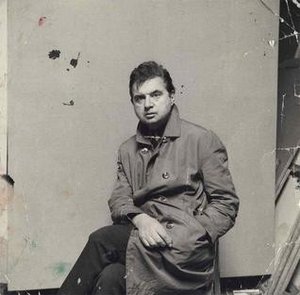
フランシス・ベーコン
1909 - 1992 , アイルランド
アーティスト情報
- フルネーム: フランシス・ベーコン
- 主な作品:
- Three Studies...
- Pope series
- George Dyer portrait
- 出生地: ダブリン、アイルランド
- 国籍: アイルランド系イギリス人
- 影響を与えたアーティスト: ['戦後表現主義']
- 影響を受けたアーティスト:
- パブロ・ピカソ
- エゴン・シーレ
- 死亡年月日: 1992年4月26日
- 生年月日: 1909年10月28日
- 芸術運動またはスタイル: 表現主義
関連記事
エゴン・シーレ傑作25選:魂を揺さぶる表現主義の世界 | OriginalUniqueArt
エゴン・シーレの傑作25選。表現主義を代表するオーストリアの画家、その魂を揺さぶる人物画や自画像の世界へ。OriginalUniqueArtで名画の複製画とインテリアアートをお楽しみください。コレクションを見る▶
The Existential Anguish of Francis Bacon: Trauma, Form & the Post-War Condition
Explore the profound existential anguish of Francis Bacon's art. Discover how trauma shaped his iconic paintings & lasting influence on modern expressionism. A guide for discerning collectors.
Emotional Transmutation in Visual Art: A Study of Affective Representation Through Color, Form, and Texture
Explore the fascinating intersection of art & emotion! Discover how color, form, and texture convey feelings in masterpieces. Expert analysis for collectors & enthusiasts.
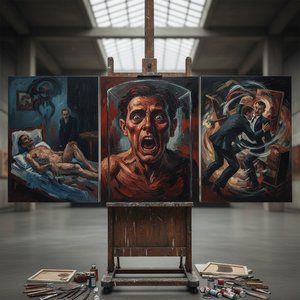
フランシス・ベーコン傑作25選:魂を揺さぶる絵画の世界 | OriginalUniqueArt
フランシス・ベーコンの傑作25選。魂を揺さぶる表現主義絵画の世界へ。人物画、三面図、ポープ・インノケンティウス10世など、美術史に残る名作をOriginalUniqueArtで高精細複製画としてご紹介。インテリアに深みと個性を。今すぐコレクションをご覧ください。

ポール・セザンヌ:至高の25選 - 傑作と革新の軌跡 | OriginalUniqueArt
ポール・セザンヌの至高の25選。ポスト印象派を代表する画家、セザンヌの傑作と革新的な技法を紐解きます。OriginalUniqueArtで高品質な複製画やインテリアアートを見つけ、芸術の世界をご自宅に。今すぐコレクションをご覧ください。


