
 設置イメージを確認
 送る
送る シェア
シェア
 詳細情報
詳細情報 ガイドを表示

 画像をダウンロード
 似ている作品
 X線調査
X線調査 スライドショー
 統計情報
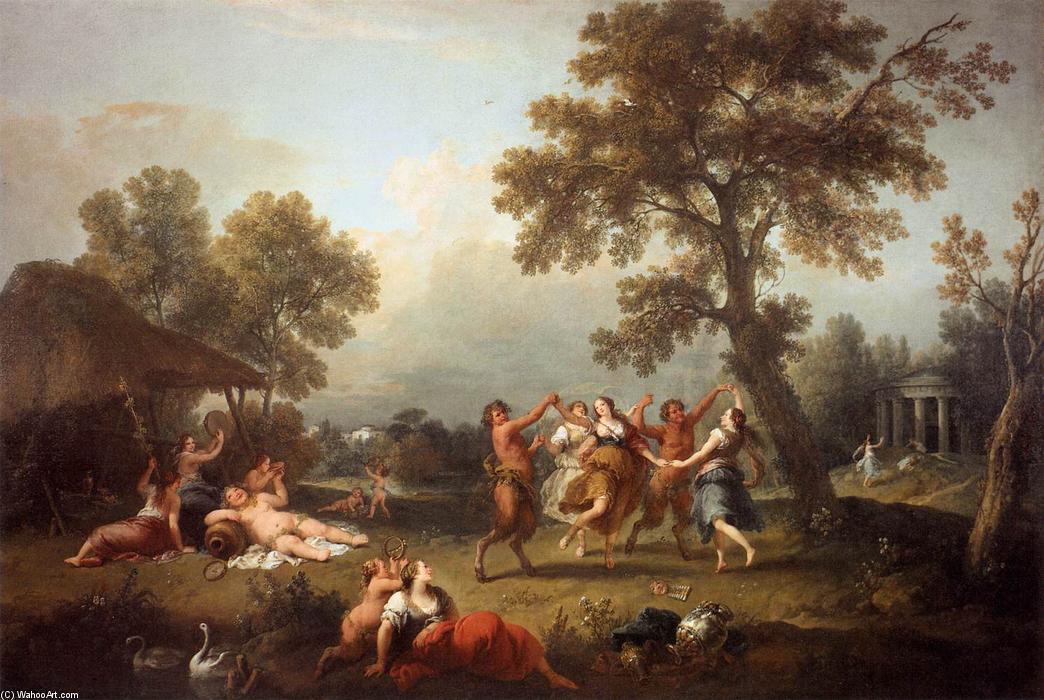
統計情報Bacchanal
 Oil On Canvas
- WallArt
- Rococo Period
 1740
1740- Early Modern
 142.0 x 210.0 cm
 Gallerie dell’Accademia
 続きを読む
続きを読む
ジークレー/アートプリント
スピーディーな制作と多彩な仕上げオプションが魅力の、ミュージアムクオリティなジークレー・キャンバスプリント。 ( 手描きの複製画を注文する デジタル画像販売へ切り替え)




P118B ¥10

P118H ¥10

P118W ¥10

P438Z ¥10

P508JH ¥12

P508YH ¥12

P805H ¥10

P805Z ¥10

P919BZ ¥10

P919G ¥10

P919XJ ¥10

P959ZH ¥10

P968JZ ¥12

W106C ¥8

W218G ¥10

W218JH ¥8

W218Y ¥10

W307PJ ¥10

W316G ¥10

W316PJ ¥8

W316Y ¥10

W398PJ ¥8

W4111J ¥10

W500HY ¥15

W500JH ¥15

W692G ¥12

W849H ¥8

W940BG ¥15

W953PJ ¥8




作品のオリジナル比率に合わせた、当店の規定サイズからお選びください。

額縁や壁のスペースに合わせて、ご希望の幅と高さを入力してください。プリントはカットすることは可能ですが、元の画像より大きくすることはできないため、異なる比率のサイズを選択された場合は、画像の一部が欠けることになります。印刷を開始する前に、内容を確認していただくためのデジタルモックアップをお送りいたします。このページに表示されている画像は、実際のカット後の状態を示すものではありません。実際の仕上がりはモックアップにてご確認ください。


 ガラスオプションは、110cm未満のサイズでのみご利用いただけます。

Bacchanal
ジークレー/アートプリント
複製画サイズ一覧
-


合計金額
¥ 12604
Francesco Zuccarelli’s Bacchanal: A Symphony of Pastoral Elegance
The Bacchanal by Francesco Zuccarelli stands as an emblem of the Rococo artistic movement, capturing not merely a scene but an entire ethos—one steeped in aristocratic indulgence and idealized beauty. Painted circa 1740-50, this oil on canvas masterpiece resides within the Gallerie dell’Accademia in Venice, Italy, offering visitors a glimpse into a period defined by opulent interiors and refined sensibilities. Zuccarelli's skill lies not just in depicting figures engaged in joyous revelry but in crafting an immersive experience that transports the viewer to a realm of pastoral serenity infused with vibrant color and masterful composition.Composition and Style: Balancing Chaos and Harmony
Zuccarelli’s approach distinguishes itself from the more dramatic Baroque tradition, prioritizing balance and grace over theatrical grandeur. The painting depicts a lively bacchanal—a celebration honoring Dionysus, the Greek god of wine and ecstasy—yet it avoids overwhelming visual sensation. A central group of figures dominates the canvas, their postures dynamic yet carefully arranged around a prominent architectural element: a classical structure reminiscent of Roman temples, subtly anchoring the scene in antiquity. The artist employs meticulous detailing to portray each participant’s attire and expression, conveying both physicality and emotion with remarkable precision. Notice how Zuccarelli utilizes light and shadow to sculpt forms, creating depth and enhancing the sense of movement—a hallmark of Rococo aesthetics.Color Palette and Technique: Embracing Pastel Radiance
The color palette is dominated by earthy tones – ochre, umber, Sienna – providing a grounding counterpoint to the splashes of vibrant hues adorning the figures’ clothing. Crimson reds, emerald greens, and sapphire blues punctuate the scene, symbolizing fertility, vitality, and divine inspiration. Zuccarelli's technique showcases exceptional brushwork, layering pigments with subtle gradations to achieve luminous surfaces that shimmer with reflected light. The artist skillfully blends colors on canvas, creating a velvety texture that contributes to the painting’s overall impression of luxurious softness. This meticulous attention to detail underscores Zuccarelli’s dedication to capturing not just what is seen but also how it feels—a testament to the transformative power of art.Historical Context: Venetian Aristocracy and Artistic Patronage
The Bacchanal reflects the cultural landscape of Venice during the mid-18th century, a city ruled by an aristocratic elite deeply invested in artistic patronage. Zuccarelli’s work exemplifies the Rococo style's fascination with idealized landscapes and mythological narratives—themes favored by Venetian noble families eager to express their status and sophistication. The painting aligns perfectly with broader European trends toward decorative art and emotional expression, signaling a shift away from Baroque solemnity towards a celebration of sensual pleasure and imaginative vision.Symbolism: Dionysian Ecstasy and Pastoral Tranquility
Beyond its visual splendor, Bacchanal is laden with symbolic significance. The bacchanalia itself represents the unrestrained pursuit of joy and indulgence—a deliberate rejection of Puritan morality—while simultaneously evoking images of Arcadia, the mythical pastoral paradise inhabited by shepherds and nymphs. The figures’ gestures convey a profound connection to nature and divine inspiration, mirroring the Rococo preoccupation with themes of beauty, harmony, and sensual experience. Zuccarelli's masterful depiction captures not only the outward spectacle of celebration but also its inner resonance—a reminder that art can transcend mere representation to communicate deeper truths about human emotion and spiritual aspiration.Legacy: Rediscovering Zuccarelli’s Vision
Francesco Zuccarelli’s reputation waned in the early 19th century, yet his work has experienced a resurgence of interest in recent decades, displayed prominently in museums worldwide. Bacchanal stands as a cornerstone of Rococo art history—a testament to Zuccarelli's artistic genius and his ability to distill the essence of an era into a single unforgettable image. Its enduring appeal lies in its exquisite beauty, balanced composition, and profound exploration of human emotion, continuing to inspire artists and collectors alike.よくあるご質問
「Bacchanal」のダウンロードは可能ですか?
フランチェスコ・ズッカレッリ作「Bacchanal」は、作品のダウンロードページから高解像度デジタル画像のダウンロードとしてダウンロードいただけます。
フランチェスコ・ズッカレッリ作「Bacchanal」の輝度はどのくらいですか?
フランチェスコ・ズッカレッリ作「Bacchanal」 の輝度は Gentle Luminance です。輝度とは、色がどれほど光を反射しているかを表す指標です。
フランチェスコ・ズッカレッリ作「Bacchanal」の制作年はいつですか?
フランチェスコ・ズッカレッリ作「Bacchanal」の制作年は1740年です。
アーティストについて
フランチェスコ・ズッカレッリ:風景に刻まれた生涯
- 生年: 1702年、イタリア、ピティリオノ
- 没年: 1788年
- 芸術運動: 後期バロック / ロココ
主にフランチェスコ・ズッカレッリの名で知られるジャコモ・フランチェスコ・ズッカレッリは、牧歌的な風景画とアルカディア的な情景を描き出した、イタリア美術界において極めて重要な役割を果たした画家です。1702年にトスカーナのピティリオノに生まれた彼は、18世紀半ば、ヴェネツィアが生んだ最も重要な風景画家としてその名を馳せました。彼の作品はヨーロッパ全土、とりわけ英国で深い共感を呼び、彼は王室の庇護のもと、現地で長きにわたる活動を展開しました。
初期の修行とローマにおける影響
ズッカレッリの芸術的な旅路は、ローマにおいてジョヴァンニ・マリア・モランディやピエトロ・ネッリに弟子入りすることから始まりました。当初、彼は肖像画の習得に心血を注いでいました。1728年から1731年にかけては、ジョヴァンニ・ダ・サン・ジョヴァンニやアンドレア・デル・サルトによる、経年劣化が進んでいたフレスコ画の版画制作に没頭します。この時期の活動は、細部への鋭い観察眼と古典的な影響を彼の中に育みました。美術史家ルイジ・ランツィが指摘しているように、パオロ・アネージの導きは、ズッカレッリを風景画へと向かわせ、彼の芸術的方向性を決定づける重要な役割を果たしたのです。初期の作品には、ローマの古典主義の影響と、イタリアの田園地帯の美しさを捉えようとする、芽生えつつあった情熱が見て取れます。
ヴェネツィア時代と名声への飛躍
1732年頃、ズッカレッリは風景画における新たな可能性を見出し、ヴェネツィアへと拠点を移しました。ここで彼は、独自のスタイルを確立していきます。それは、柔らかなパレット、軽やかな構図、そして光り輝くような色調で命を吹き込まれた人物像を特徴とするものでした。これは、先人たちが用いた典型的なヴェネツィア派の色彩感覚とは一線を画す、革新的な試みでした。
その才能は瞬く間に認められ、シュレンブルク元帥や英国領事ジョセフ・スミス、フランチェスコ・アルガロッティといった有力な人物たちの庇護を受けるようになりました。また、アントニオ・ヴィセンティーニやベルナルド・ベロットといった画家たちとも頻繁に共作を行い、ネオ・パラディアン様式の建築シリーズや、手彩色の場面が描かれた旧約聖書のトランプ制作など、多彩なプロジェクトを手掛けました。1768年にはロンドンの王立芸術院(ロイヤル・アカデミー)の創設メンバーの一人となり、その名声は国際的な舞台へと不動のものとなったのです。この時期こそがズッカレッリの隆盛期であり、彼の描く風景画はヨーロッパ中の観衆を魅了し、彼をロココ運動の旗手として決定づけました。
晩年、衰退、そして再評価の光
しかし、時代の潮流は残酷でした。19世紀初頭、自然主義が台頭すると、ズッカレッリの評価は次第に陰りを見せるようになります。ターナーのような批評家たちは、彼の描く人物の美しさは認めつつも、その全体的な様式に対しては慎重な、あるいは批判的な眼差しを向けました。後に美術史家のマイケル・レヴェイは、ズッカレッリが広く受け入れられた理由は、特に英国の観衆にとって、その作品が持つ装飾的な性質にあったと分析しています。
長い沈黙の時を経て、1990年代以降、イタリアの研究者たちが中心となり、ズッカレッリの功績に対する再評価の動きが加速しました。風景画における彼の重要性が改めて浮き彫りにされ、数多くの展覧会を通じてその作品が再び光を浴びるようになったのです。今日、フランチェスコ・ズッカレッリはロココ時代の巨匠として、静寂と古典的な美しさを呼び起こす牧歌的な風景を描いた画家として高く評価されています。彼の遺した芸術的レガシーは、今なお世界中のアーティストにインスピレーションを与え、観る者の心を捉えて離しません。

フランチェスコ・ズッカレッリ
1702 - 1788 , イタリア
アーティスト情報
- Artistic Movement Or Style: ロココ、バロック
- Artists Who Influenced This Artist:
- パオロ・アネージ
- クロード・ロラン
- アンドレア・デル・サルト
- Date Of Birth: 1702年8月15日
- Date Of Death: 1788年12月30日
- Full Name: ジャコモ・フランチェスコ・ズッカレッリ
- Nationality: イタリア
- Notable Artworks:
- サン・ジョルジョ・マッジョーレのカプリッチョ
- 古典的な風景画
- 川辺の少女たちの風景画
- バッカス祭
- Place Of Birth (City And Country): イタリア、ピティリアーノ
関連記事

The Rococo Aesthetic: Opulence, Rebellion & the Pursuit of Pleasure in 18th-Century Art
Explore the opulent world of Rococo art! Discover its origins, key artists like Watteau & Boucher, and lasting influence on design. Expert insights for collectors & enthusiasts.

Pietro Longhi's Venetian Scenes: A Study of Rococo Society & Domestic Life
Explore the captivating world of Pietro Longhi's Venetian scenes! Discover insightful analysis of his Rococo masterpieces & social commentary on 18th-century life. Learn about this 'Venetian Hogarth' and his lasting artistic legacy.

The Allure of Elegance in Art: A Historical & Aesthetic Exploration of Refinement & Grace
Explore the exquisite world of Rococo art! Discover its history, masters (Watteau, Boucher & more), and defining elegance. Expert insights for collectors seeking museum-quality reproductions & custom portraits.

華麗なるロココ:芸術史を彩る10大傑作の世界
華麗なるロココ美術の世界へ。バロックから生まれた優雅な芸術、その10大傑作を徹底解説!ブーシェ、フロマンなど巨匠たちの技と物語を紐解き、お部屋を彩るアートを見つけよう。OriginalUniqueArt.comで至高の美術館品質レプリカとインテリアアイデアを発見。

Francesco Guardi: Venetian Light, Atmospheric Perspective & the Rococo to Neoclassical Transition
Explore the captivating world of Francesco Guardi, master of Venetian light and atmosphere. Discover his transition from Rococo to Neoclassicism, influence on Impressionism & investment potential with OriginalUniqueArt.