

 設置イメージを確認
 送る
送る シェア
シェア
 詳細情報
詳細情報 ガイドを表示

 画像をダウンロード
 似ている作品
 X線調査
X線調査 スライドショー
 統計情報
統計情報The Prophet Baruch
 Oil On Canvas
- WallArt
- Baroque
 1718
1718 205.0 x 265.0 cm
 Kunstpalast
 続きを読む
続きを読む
Get a print-ready file that goes far beyond the web preview. Every digital image we sell comes from a high-resolution master in our stock database — usually 5,000 to 15,000 pixels wide — so you can print large, crop tightly, or reproduce fine detail with confidence.
No file leaves our studio untouched. A digital expert checks the colors against the original painting and corrects them if needed, then improves clarity and detail with professional retouching tools — always staying faithful to the artist's brushwork and style. The result is an image that looks like the painting, not like a filtered scan.
You approve before you're done: our expert sends the image by e-mail within 72 hours for your review. Not satisfied? Ask for improvements or corrections, or request a refund if the quality falls short.
This is the quality relied on by publishers, design studios, galleries and print shops.
デジタル画像
個人での鑑賞、印刷、クリエイティブなプロジェクトにご利用いただける高解像度ファイルをダウンロードできます。 ( プリント版に切り替え 手描きの複製画を注文する)
デジタル画像のご注文に付随する特典
プロフェッショナルなデジタル配信を、確かな品質で。
OriginalUniqueArt.com を選ぶことは、単に画像を手に入れることではありません。プロの手によって精密に仕上げられ、満足保証が付いた高品質なデジタルアートワークを受け取ることを意味します。ご注文いただいた際に自動的に付随する内容は、以下の通りです:

メールですぐにお届け
ご注文から72時間以内に、高解像度のデジタル画像ファイルをメールでお送りいたします。お手元に届き次第、すぐにご利用いただけます。

AI技術で最適化されたデジタルファイル
お客様の作品は、高度なAI技術と専門家による手作業を組み合わせてプロフェッショナルに最適化されており、細部のディテール、鮮明さ、そして正確な色再現性を最大限に引き出しています。

一生涯無料の再送サービス
ファイルを誤って削除したり、紛失してしまったりしましたか?ご安心ください。いつでも無料で再送いたします。

輸入手数料は、いつでも一切かかりません
関税や手数料、配送料を気にすることなく、お気に入りのアートワークをすぐにお楽しみいただけます。デジタルダウンロードは常に免税です。

正確な色彩の保証
プロ仕様のツールとカラーマネジメント技術を用いることで、デジタル画像が元の色を最大限に忠実に再現することを保証いたします。

100日間満足保証
ご購入いただいたデジタル画像にご満足いただけない場合は、100日以内であれば、理由を問わず修正または100%の返金対応をさせていただきます。

100% 返金保証
ご満足いただけない場合は、デジタルファイルを受け取ってから100日以内であれば、理由を問わず全額返金いたします。

まとめ買い割引
3枚購入で10%OFF、5枚購入で15%OFF、10枚以上のご購入で20%OFF。クリエイティブなプロジェクトやギャラリー、エージェンシーに最適です。
A Moment Suspended in Contemplation
The painting, titled The Prophet Baruch, immediately draws the viewer into an atmosphere of profound stillness. We encounter a figure seated upon the ground, his posture speaking volumes without uttering a single word. With his head bowed into his hands, he embodies a moment of deep introspection or perhaps prayer. The subject is rendered with such palpable humanity that one feels they are witnessing a private communion between man and thought. He is clad in simple robes, and his long hair seems to cascade around him like a natural curtain, framing the quiet drama unfolding within this sacred space.
Mastery of Earth Tones and Texture
Technically, the work showcases an exquisite handling of paint that speaks to the skill of its creator. The artist has employed a palette dominated by rich earth tones—ochres, deep siennas, and warm browns—which combine to create an atmosphere that is both inviting and deeply meditative. Upon closer inspection, one can appreciate the intricate brushwork; it lends the entire surface a beautiful, textured quality, suggesting the passage of time and the weight of contemplation itself. The contrast between the soft folds of the drapery and the solidity of the table upon which his arm rests adds a wonderful tactile dimension to the visual experience.
Symbolism of Study and Reflection
The inclusion of the book in one hand, juxtaposed with the gesture of repose, suggests a profound engagement with sacred or scholarly texts. This is not merely a portrait; it is an allegory of wisdom sought through quietude. The Prophet Baruch becomes a universal symbol for the intellectual journey—the necessary retreat from the clamor of the world to find clarity within one's own mind. For the collector, this piece offers more than mere decoration; it offers a visual anchor for moments of personal reflection.
Historical Echoes and Enduring Appeal
Dating to 1718, this work carries the weight of the early eighteenth century, yet its themes transcend any specific era. While the artist's style connects it to grand traditions of religious and portraiture painting, its emotional resonance feels timeless. For those designing a space—be it a library, a study, or a quiet corner in a drawing-room—this reproduction serves as an immediate focal point. It whispers tales of devotion and deep thought, transforming any room into a sanctuary for the mind.
よくあるご質問
フランチェスコ・トレヴィザニ作「The Prophet Baruch」は、明るい印象の作品ですか、それとも暗い印象の作品ですか?
フランチェスコ・トレヴィザニ作「The Prophet Baruch」の明るさはbrilliant、輝度はLuminousと記録されています。
フランチェスコ・トレヴィザニ作「The Prophet Baruch」に関する統計情報はどこで確認できますか?
フランチェスコ・トレヴィザニ作「The Prophet Baruch」の統計情報ページでは、公開されている閲覧統計をご覧いただけます。この作品の月間閲覧数、アーティストのなかで最も閲覧されている作品との比較、そして訪問者の地域情報などが掲載されています。
フランチェスコ・トレヴィザニ作「The Prophet Baruch」の構図を主導している色は何ですか?
「The Prophet Baruch」の中で最も際立っている色はPutty (#e0bba1)です。作品の主色(メインカラー)を知ることは、インテリアとのコーディネートを考える際に役立ちます。
アーティスト・プロフィール
The Grace of the Barochetto
Francesco Trevisani stands as a luminous figure in the transition between the dramatic intensity of the late Baroque and the emerging elegance of the early Rococo, a period often referred to as barochetto. Born in Capodistria, Istria, his artistic journey was shaped by the rich traditions of both Venice and Rome. As the son of an architect, he first learned the fundamental principles of design through the guidance of his father, Antonio Trevisani. This early foundation in structure and composition would later allow him to master the complex, theatrical arrangements that define his most celebrated works.
His training was deeply rooted in the masters of his era, studying under figures such as Antonio Zanchi and Joseph Heintz the Younger. These influences provided him with a technical vocabulary that blended vigorous movement with a refined sensibility. As he moved through the artistic hubs of Venice and Rome, Trevisani developed a style that could capture both the profound sorrow of religious martyrdom and the tender, celestial grace of divine encounters. His ability to navigate these emotional extremes made him a sought-after painter for significant ecclesiastical and private commissions.
Mastery of Emotion and Light
The works of Trevisani are characterized by an unflinching commitment to emotional depth and a breathtaking use of light. In his religious compositions, the boundaries between the earthly and the divine often seem to dissolve. One can observe this in his depictions of sacred scenes, where the heavy, sacred silence of a moment is palpable. Whether portraying the lifeless body of Christ being borne by angels or the poignant devotion of saints, Trevis andani utilized a palette and brushwork that emphasized the spiritual fervor of the age.
His technical prowess is particularly evident in his ability to render texture and atmosphere. In works such as The Martyrdom of the Seven Sons of Saint Felicity, he weaves together complex narratives involving Roman emperors, pagan statues, and celestial messengers. Through meticulous detail, he directs the viewer's eye across the canvas, using light to highlight the agony of the martyrs and the hope offered by heavenly crowns. This mastery of narrative painting allowed him to create works that were not merely decorative but served as profound instruments of devotion.
Legacy and Artistic Significance
Throughout his long career, Trevisani’s influence was felt deeply within the Roman art scene, particularly through his connection to influential patrons like Cardinal Ottoboni. His masterpiece, the frescoes in San Silvestro in Capite, serves as a testament to his ability to transform architectural spaces with grand, sweeping narratives. His style, heavily influenced by Carlo Maratta, helped define the aesthetic of the late Baroque, bridging the gap between the heavy shadows of the previous century and the lighter, more airy compositions of the coming Rococo era.
The historical significance of Francesco Trevisani lies in his role as a bridge between eras. He maintained the grandeur and dramatic tension required by the Counter-Reformation while introducing a sweetness and grace that anticipated the next movement in European art. His ability to balance the monumental with the intimate ensures that his paintings remain powerful windows into the spiritual and artistic soul of the early eighteenth century.
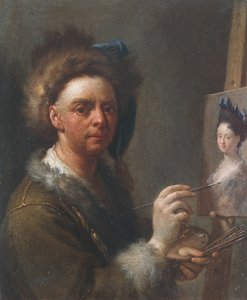
フランチェスコ・トレヴィザニ
1656 - 1746