
 設置イメージを確認
 送る
送る シェア
シェア
 詳細情報
詳細情報 ガイドを表示

 画像をダウンロード
 似ている作品
 X線調査
X線調査 スライドショー
 Q&A
Q&A 統計情報
統計情報St John the Baptist

- 83.0 x 70.0 cm


 続きを読む
続きを読む
ジークレー/アートプリント
スピーディーな制作と多彩な仕上げオプションが魅力の、ミュージアムクオリティなジークレー・キャンバスプリント。 ( 手描きの複製画を注文する デジタル画像販売へ切り替え)




P118B ¥10

P118H ¥10

P118W ¥10

P438Z ¥10

P508JH ¥12

P508YH ¥12

P805H ¥10

P805Z ¥10

P919BZ ¥10

P919G ¥10

P919XJ ¥10

P959ZH ¥10

P968JZ ¥12

W106C ¥8

W218G ¥10

W218JH ¥8

W218Y ¥10

W307PJ ¥10

W316G ¥10

W316PJ ¥8

W316Y ¥10

W398PJ ¥8

W4111J ¥10

W500HY ¥15

W500JH ¥15

W692G ¥12

W849H ¥8

W940BG ¥15

W953PJ ¥8




作品のオリジナル比率に合わせた、当店の規定サイズからお選びください。

額縁や壁のスペースに合わせて、ご希望の幅と高さを入力してください。プリントはカットすることは可能ですが、元の画像より大きくすることはできないため、異なる比率のサイズを選択された場合は、画像の一部が欠けることになります。印刷を開始する前に、内容を確認していただくためのデジタルモックアップをお送りいたします。このページに表示されている画像は、実際のカット後の状態を示すものではありません。実際の仕上がりはモックアップにてご確認ください。


 ガラスオプションは、110cm未満のサイズでのみご利用いただけます。

St John the Baptist
ジークレー/アートプリント
複製画サイズ一覧
-


合計金額
¥ 12624
A Moment Frozen in Baroque Drama
In the hallowed halls of the Museo del Prado, there exists a window into the fervent soul of the late seventeenth century. Francesco Solimena’s St John the Baptist is not merely a portrait of a biblical figure; it is a visceral experience of contemplation interwoven with palpable urgency. Painted between 1690 and 1700, this oil on canvas masterpiece serves as a profound testament to the Baroque era—a period defined by opulent grandeur, dramatic emotion, and an unwavering belief in spiritual transcendence. As one gazes upon the canvas, the viewer is immediately drawn into a world where the boundary between the earthly and the divine becomes beautifully blurred through the masterful application of light.
The composition is anchored by Solimena’s uncompromising commitment to chiaroscuro. Drawing inspiration from the legendary Caravaggio, the artist employs a stark, theatrical contrast between luminous highlights and an enveloping, unsettling darkness. This technique does more than just define form; it directs the viewer's emotional journey. The light falls intensely upon St John's face and torso, illuminating his youthful yet weathered features and highlighting the physical tension in his musculature. This sudden burst of brilliance against a shadowy, receding background creates an immediate sense of presence, as if the saint has just emerged from the depths of the wilderness to deliver a divine message.
A Symphony of Earthly Tones and Divine Grace
Solimena’s palette is a masterclass in purposeful restraint. The artist avoids unnecessary flamboyance, opting instead for a subdued arrangement of earthy browns, ochres, and beige tones that establish a solemn, ascetic atmosphere appropriate for the subject. Yet, within this muted landscape, there are strategic splashes of color that act as spiritual punctuation marks. A striking use of crimson, particularly in the folds of the drapery, draws the eye across the canvas, subtly hinting at the blood of sacrifice and the presence of divine grace amidst the ruggedness of the saint's life.
The texture of the work adds a layer of tactile realism that is deeply engaging for the discerning collector. Solimena’s meticulous brushwork imbues the canvas with a palpable sense of physicality; one can almost feel the coarseness of the camel skin and the weight of the heavy cloth. These visible, energetic strokes contribute to the overall dynamism of the scene, ensuring that the painting feels alive rather than static. For those looking to integrate such a piece into a sophisticated interior, the artwork offers a profound sense of depth and movement, acting as a focal point that commands attention through its sheer textural richness.
The Legacy of a Neapolitan Master
To understand this work is to understand the zenith of Neapolitan painting. Francesco Solimena was a titan of his age, a painter whose influence stretched across Europe. Trained by his father, Angelo, and refined under the shadows of masters like Luca Giordano and Mattia Preti, Solimena possessed the unique ability to blend the raw naturalism of the early Baroque with a more restrained, classical elegance. This duality is present in St John the Baptist, where the rugged, almost chaotic energy of the scene is balanced by a sophisticated command of composition and anatomical precision.
For art lovers and interior designers alike, this reproduction offers more than just aesthetic beauty; it provides an opportunity to possess a fragment of history. The painting’s ability to evoke intense emotion—ranging from quiet introspection to dramatic tension—makes it a versatile and powerful addition to any curated collection. It is a piece that does not merely decorate a wall but transforms a space, inviting conversation about the enduring power of faith, the mastery of light, and the timeless brilliance of the Italian Baroque.
よくあるご質問
「St John the Baptist」は、フランチェスコ・ソリメナが繰り返し描いてきた主題の中でどのような位置を占めているのでしょうか?
「St John the Baptist」はreligious figure, contemplation, baroque art, chiaroscuro, symbolism, italian painting, john the baptist, dramatic lightingを描いていますが、フランチェスコ・ソリメナのこれまでのテーマとして記録されているのはcaravaggio's dramatic shadowing, counter-reformation influence, religious iconography & piety, solimena's emotional intensity, neapolitan baroque tradition, symbolic narrative of john", exploring spiritual isolation", key work in solimena's oeuvreです。この二つを比較することで、本作が作家のいつもの主題とどのように関連しているかが明らかになります。
フランチェスコ・ソリメナ作「St John the Baptist」は、絵画、デッサン、それとも版画のいずれでしょうか?
「St John the Baptist」は、WallArtの作品です。
St John the Baptistは、フランチェスコ・ソリメナのキャリアにおけるどの時期の作品にあたりますか?
「St John the Baptist」は、フランチェスコ・ソリメナのMature Periodを象徴する作品です。
アーティストについて
バロックの壮麗を体現したナポリの巨匠
1657年、アヴェッリーノ近郊のカナーレ・ディ・セリーノというイタリアの小さな町に生まれたフランチェスコ・ソリメナは、バロック後期におけるナポリ絵画界で最も重要な人物の一人としてその名を刻みました。彼の芸術への道のりは、すでに芸術的伝統が深く根付いた家庭から始まりました。父アンジェロ・ソリメナは最初の師となり、ノチェラの大聖堂のための「楽園」のフレスコ画といった初期のプロジェクトにおいて、共に手を取り合って制作に当たりました。この基礎的な経験が、若きフランチェスコの心に技法と構図に対する深い審美眼を植え付けたのです。その後、彼はフランチェスコ・ディ・マリアやジャコモ・デル・ポの指導の下でさらなる研鑽を積み、多様な影響を吸収しながら、最終的に彼独自のスタイルを形作ることになります。また、枢機卿ヴィンチェンツォ・オルシーニによる庇護は極めて重要であり、その励ましと機会によって、ソリメナは1680年代までには独立した画家としての地位を確立し、ますます野心的なフレスボ画の依頼を受けるようになりました。様式の形成:ナポリの華やぎに響くローマの残響
ソリメナの芸術的な声は、温かみのある茶褐色の陰影と劇的な光の使用によって、一目でそれと分かります。これらの特質は、ローマ・バロックの巨匠であるルカ・ジョルダーノやジョヴァンニ・ランフランコに深く恩義を感じさせるものです。しかし、彼は単なる模倣に留まりませんでした。むしろ、これらの影響を統合し、独自のナポリ的な美学へと昇華させたのです。彼の作品の真骨頂は、感情の強烈さに満ちたダイナミックな構図にあり、それはバロック時代特有の壮大さと演劇性を反映しています。彼は場面の中に動きとドラマを捉える並外れた能力を備えており、観る者を聖なる物語や神話の世界へと引き込みました。1690年代以降、ソリメナの工房はナポリにおける支配的な勢力となり、数十年にわたってこの街の芸術的景観を形作ることになります。その工房は驚くほど生産的で、祭壇画、フレスコ画、キャンバス画を次々と生み出し、地域中の教会や宮殿を彩りました。彼の構図における重要な特徴の一つは、背景の細部を最小限に抑えることで、戦略的に人物そのものや、精緻に描かれた衣襞(ドレーパリー)へと視線を誘導することでした。それらの布地は、しばしば計算された光源によって照らされ、その存在感をより一層高めていたのです。多作な生涯:フレスコ画、祭壇画、そして神話的ヴィジョン
フランチェズム・ソリメナは極めて多作な芸術家であり、幅広い主題と形式にわたる膨大な作品群を後世に残しました。彼は大規模なフレスコ画のサイクルにおいて卓越した才能を発揮し、ナポリの教会や宮殿の内部を、宗教的情熱と貴族的な華やかさが溢れる鮮やかな空間へと変貌させました。彼の祭壇画は、複雑な神学的物語を感情的な深みと技術的な輝きの両方をもって伝える能力において、特に注目に値します。宗教画の枠を超え、ソリメナは神話的な場面においてもその熟練を見せ、古典的な物語に劇的なエネルギーと官能的な美しさを吹き込みました。彼の最も有名な作品の一つである『統治の寓意』は、現在サンクトペテルブルクのエルミタージュ美術館に収蔵されており、寓意表現における彼の技術と洗練された構図の証となっています。また、婚礼や宮廷行事の描写は、ナポリ社会の優雅さと豊かさを捉え、彼の多才さをさらに際立たせています。『聖ヨハネ洗礼者』や『聖母被昇天と戴冠』といった作品は、明暗法(キアロスクーロ)の習熟とダイナミックな構図を見事に体現しています。遺産と影響:ナポリ絵画派の確立
ソリメナの影響は、彼自身の芸術的創造物のみに留まりませんでした。大規模で組織化された彼の工房(アトリエ)は、まさに一つのアカデミーとして機能し、ナポリの文化的生活において極めて重要な役割を果たしました。彼は数多くの弟子を育て上げ、彼らは後にそれぞれ独立した著名な画家となり、18世紀イタリア美術における中心的人物としてのソリマナの地位を確固たるものにしました。フランチェスコ・デ・ムラ、ジュゼッペ・ボニート、ピエトロ・カペッリ、コッラード・ジャクイントといった弟子たちは、それぞれがナポリ絵画の進化に大きく貢献しました。ソリメナの成功は芸術的な評価だけに留まりませんでした。彼は生涯を通じてかなりの経済的繁栄を享受し、男爵の称号を授かり、その名声に見合う豊かな生活を送りました。1747年、ナポリ近郊のバーラで彼が世を去った後も、その不朽の遺産は、今日の展覧会や学術的研究、そして広く流通する複製画を通じて称えられ続けています。彼はナポリ・バロック絵画における最も重要な人物の一人であり、ローマの影響と現地の伝統を見事に融合させ、世代を超えてナポリの芸術制作を定義づける独自の様式を作り上げました。彼の作品は、その劇的な情緒、技術的な極致、そして永遠の美しさによって、今なお人々を魅了して止みません。それは、彼の天才性と美術史への永続的な貢献の証なのです。
フランチェスコ・ソリメナ
1657 - 1747 , イタリア
アーティスト情報
- Artistic Movement Or Style: バロック
- Artists Or Movements Influenced By This Artist:
- フランチェスコ・デ・ムラ
- ジュゼッペ・ボニート
- Artists Who Influenced This Artist:
- ルカ・ジョルダーノ
- ジョヴァンニ・ランフランコ
- Date Of Birth: 1657年10月4日
- Date Of Death: 1747年
- Full Name: フランチェスコ・ソリメナ
- Nationality: イタリア
- Notable Artworks:
- 統治の寓意
- ナポリのフレスコ画
- 洗礼者聖ヨハネ
- 聖母被昇天と戴冠
- Place Of Birth: イタリア、カナレ・ディ・セリーノ
関連記事

ジョン・コンスタブルの傑作25選:英国風景画の巨匠が描く自然と光の詩 | OriginalUniqueArt
ジョン・コンスタブルの傑作25選。英国風景画の巨匠が描く自然と光の詩の世界へ。ロマン主義を代表する絵画、デダム・ヴェールやヘイ・ウェインなど、OriginalUniqueArtで高品質なアートプリントをお楽しみください。インテリアに深みと感動を。コレクションはこちら。

バロックのドラマ:現代のインテリアに壮麗さと情感を取り込む
バロック様式の歴史、絵画、家具の魅力をご紹介。OriginalUniqueArtでは、高品質な油絵複製やカスタムポートレートをご提供し、現代のインテリアに壮麗さと情感を取り入れます。アートコンサルテーションも承ります。

ジョン・シンガー・サージェント:至高の25選 - 美と光の肖像画の世界 | OriginalUniqueArt
ジョン・シンガー・サージェントの至高の25選。肖像画、写実主義、光と影の表現が美しい作品群を紐解きます。マダムXや少女の肖像など、時代を超えて愛される名作をOriginalUniqueArtで鑑賞。高品質なアート複製で、お部屋に美術館のような空間を。今すぐコレクションをご覧ください。

The Dramatic Flourish: Exploring the Baroque Movement's Enduring Legacy in Art History
Explore the dramatic world of Baroque art! Discover iconic artists like Caravaggio & Rubens, defining techniques, and its lasting impact on art history. Expert insights for collectors & enthusiasts at OriginalUniqueArt.
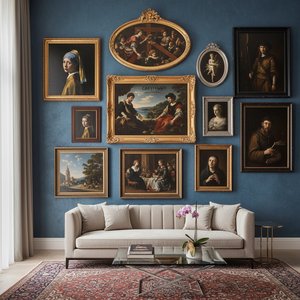
Baroque Painting's Greatest Hits: 10 Masterpieces for Your Home | OriginalUniqueArt
Journey through Baroque painting's glory! Explore 10 masterpieces by Caravaggio, Rembrandt & Vermeer. Discover dramatic lighting, rich colors & timeless stories. Find museum-quality art reproductions for your home at OriginalUniqueArt.com.