
 設置イメージを確認
 送る
送る シェア
シェア
 詳細情報
詳細情報 ガイドを表示

 画像をダウンロード
 似ている作品
 X線調査
X線調査 スライドショー
 Q&A
Q&A 統計情報
統計情報Bathsheba Bathing

- 103.0 x 129.0 cm


 続きを読む
続きを読む
ジークレー/アートプリント
スピーディーな制作と多彩な仕上げオプションが魅力の、ミュージアムクオリティなジークレー・キャンバスプリント。 ( 手描きの複製画を注文する デジタル画像販売へ切り替え)




P118B ¥10

P118H ¥10

P118W ¥10

P438Z ¥10

P508JH ¥12

P508YH ¥12

P805H ¥10

P805Z ¥10

P919BZ ¥10

P919G ¥10

P919XJ ¥10

P959ZH ¥10

P968JZ ¥12

W106C ¥8

W218G ¥10

W218JH ¥8

W218Y ¥10

W307PJ ¥10

W316G ¥10

W316PJ ¥8

W316Y ¥10

W398PJ ¥8

W4111J ¥10

W500HY ¥15

W500JH ¥15

W692G ¥12

W849H ¥8

W940BG ¥15

W953PJ ¥8




作品のオリジナル比率に合わせた、当店の規定サイズからお選びください。

額縁や壁のスペースに合わせて、ご希望の幅と高さを入力してください。プリントはカットすることは可能ですが、元の画像より大きくすることはできないため、異なる比率のサイズを選択された場合は、画像の一部が欠けることになります。印刷を開始する前に、内容を確認していただくためのデジタルモックアップをお送りいたします。このページに表示されている画像は、実際のカット後の状態を示すものではありません。実際の仕上がりはモックアップにてご確認ください。


 ガラスオプションは、110cm未満のサイズでのみご利用いただけます。

Bathsheba Bathing
ジークレー/アートプリント
複製画サイズ一覧
-


合計金額
¥ 12624
A Moment of Grace: Solimena's "Bathsheba Bathing"
Francesco Solimena’s “Bathsheba Bathing,” painted in 1725, is more than just a depiction of a biblical scene; it’s a masterful exploration of light, gesture, and the subtle drama of human interaction. Executed during the height of Neapolitan Baroque grandeur, this work exemplifies Solimena's remarkable ability to infuse religious subjects with an intensely personal and emotionally resonant quality. Measuring 103 x 129 cm, the painting immediately draws the viewer into a carefully constructed tableau – Bathsheba, poised in her vulnerability, becomes the focal point of a complex interplay between modesty, observation, and perhaps even illicit desire.
- Subject Matter: The scene is drawn from the biblical story of David and Bathsheba. However, Solimena doesn’t present a straightforward narrative; instead, he captures a fleeting moment – the act of bathing itself – transforming it into an intimate and psychologically charged portrayal.
- Style & Technique: Solimena was renowned for his meticulous technique, particularly in fresco painting. “Bathsheba Bathing” demonstrates this mastery through its incredibly detailed rendering of fabrics, skin tones, and the play of light on water. His use of *sfumato*, a subtle blurring effect, creates an atmosphere of hazy beauty and adds to the sense of immediacy.
The Artist's Hand: Solimena’s Neapolitan Baroque
Born in Canelle di Serino in 1657, Francesco Solimena was steeped in the artistic traditions of Naples from a young age. His early training under his father, Angelo Solimena, and subsequent studies with established masters like Francesco di Maria and Giacomo del Po, shaped him into one of the most significant figures of Neapolitan Baroque painting. Solimena’s work is characterized by its dramatic lighting, dynamic compositions, and an almost obsessive attention to detail – qualities that were hallmarks of the period's artistic fervor. The patronage of Cardinal Vincenzo Orsini was crucial in establishing Solimena as a leading artist, allowing him to undertake increasingly ambitious commissions, including large-scale fresco cycles for churches and palaces.
- Fresco Technique: Solimena’s expertise in *buon fresco* (painting directly onto wet plaster) ensured the longevity of his works, contributing to their remarkable preservation.
- Compositional Dynamics: The arrangement of figures – Bathsheba at the center, surrounded by attendants and observers – creates a sense of movement and visual tension, reflecting the Baroque fascination with dynamism and emotional expression.
Symbolism & Emotional Resonance
Beyond its technical brilliance, “Bathsheba Bathing” is rich in symbolic meaning. The act of bathing itself has long been associated with purification and vulnerability. The presence of the dogs adds an element of both protection and potential danger – a subtle reminder of the complexities inherent in David’s pursuit of Bathsheba. The carefully positioned bowl, possibly containing water for her bath or used by someone else, further emphasizes the scene's intimate and potentially fraught nature. Solimena masterfully evokes a sense of quiet contemplation and unspoken emotion, inviting viewers to ponder the motivations and feelings of those involved.
Historical Context: Painted in 1725, this work reflects the continuing influence of Baroque ideals – grandeur, drama, and emotional intensity – within the artistic landscape of Naples. It stands as a testament to Solimena’s ability to synthesize these influences into a uniquely personal and compelling style.A Timeless Masterpiece: Reproduction Possibilities
OriginalUniqueArt offers meticulously crafted hand-painted reproductions of “Bathsheba Bathing,” allowing you to bring this iconic Baroque masterpiece into your home or office. Our skilled artisans employ the same techniques and attention to detail as Solimena himself, ensuring an authentic representation of this remarkable work. Choose from a range of sizes to perfectly suit your space and enjoy owning a piece of art history.
よくあるご質問
フランチェスコ・ソリメナ作「Bathsheba Bathing」 に似た作品を見つけるにはどうすればよいですか?
フランチェスコ・ソリメナ作「Bathsheba Bathing」に似た作品は、作品の似ている作品ページにまとめられています。
フランチェスコ・ソリメナ作「Bathsheba Bathing」の来場者はどこから来ているのでしょうか?
フランチェスコ・ソリメナ作「Bathsheba Bathing」の統計情報ページでは、公開されている閲覧統計をご覧いただけます。この作品の月間閲覧数、アーティストのなかで最も閲覧されている作品との比較、そして訪問者の地域情報などが掲載されています。
フランチェスコ・ソリメナ作「Bathsheba Bathing」は、どのようにしてBaroqueをアーティストの母国と結びつけているのでしょうか?
「Bathsheba Bathing」は、イタリアに生まれたフランチェスコ・ソリメナによって、Baroqueのムーブメントの中で制作されました。アーティストの出自は、この作品をイタリアのアーティストたちが実践したBaroqueへと結びつけています。
アーティストについて
バロックの壮麗を体現したナポリの巨匠
1657年、アヴェッリーノ近郊のカナーレ・ディ・セリーノというイタリアの小さな町に生まれたフランチェスコ・ソリメナは、バロック後期におけるナポリ絵画界で最も重要な人物の一人としてその名を刻みました。彼の芸術への道のりは、すでに芸術的伝統が深く根付いた家庭から始まりました。父アンジェロ・ソリメナは最初の師となり、ノチェラの大聖堂のための「楽園」のフレスコ画といった初期のプロジェクトにおいて、共に手を取り合って制作に当たりました。この基礎的な経験が、若きフランチェスコの心に技法と構図に対する深い審美眼を植え付けたのです。その後、彼はフランチェスコ・ディ・マリアやジャコモ・デル・ポの指導の下でさらなる研鑽を積み、多様な影響を吸収しながら、最終的に彼独自のスタイルを形作ることになります。また、枢機卿ヴィンチェンツォ・オルシーニによる庇護は極めて重要であり、その励ましと機会によって、ソリメナは1680年代までには独立した画家としての地位を確立し、ますます野心的なフレスボ画の依頼を受けるようになりました。様式の形成:ナポリの華やぎに響くローマの残響
ソリメナの芸術的な声は、温かみのある茶褐色の陰影と劇的な光の使用によって、一目でそれと分かります。これらの特質は、ローマ・バロックの巨匠であるルカ・ジョルダーノやジョヴァンニ・ランフランコに深く恩義を感じさせるものです。しかし、彼は単なる模倣に留まりませんでした。むしろ、これらの影響を統合し、独自のナポリ的な美学へと昇華させたのです。彼の作品の真骨頂は、感情の強烈さに満ちたダイナミックな構図にあり、それはバロック時代特有の壮大さと演劇性を反映しています。彼は場面の中に動きとドラマを捉える並外れた能力を備えており、観る者を聖なる物語や神話の世界へと引き込みました。1690年代以降、ソリメナの工房はナポリにおける支配的な勢力となり、数十年にわたってこの街の芸術的景観を形作ることになります。その工房は驚くほど生産的で、祭壇画、フレスコ画、キャンバス画を次々と生み出し、地域中の教会や宮殿を彩りました。彼の構図における重要な特徴の一つは、背景の細部を最小限に抑えることで、戦略的に人物そのものや、精緻に描かれた衣襞(ドレーパリー)へと視線を誘導することでした。それらの布地は、しばしば計算された光源によって照らされ、その存在感をより一層高めていたのです。多作な生涯:フレスコ画、祭壇画、そして神話的ヴィジョン
フランチェズム・ソリメナは極めて多作な芸術家であり、幅広い主題と形式にわたる膨大な作品群を後世に残しました。彼は大規模なフレスコ画のサイクルにおいて卓越した才能を発揮し、ナポリの教会や宮殿の内部を、宗教的情熱と貴族的な華やかさが溢れる鮮やかな空間へと変貌させました。彼の祭壇画は、複雑な神学的物語を感情的な深みと技術的な輝きの両方をもって伝える能力において、特に注目に値します。宗教画の枠を超え、ソリメナは神話的な場面においてもその熟練を見せ、古典的な物語に劇的なエネルギーと官能的な美しさを吹き込みました。彼の最も有名な作品の一つである『統治の寓意』は、現在サンクトペテルブルクのエルミタージュ美術館に収蔵されており、寓意表現における彼の技術と洗練された構図の証となっています。また、婚礼や宮廷行事の描写は、ナポリ社会の優雅さと豊かさを捉え、彼の多才さをさらに際立たせています。『聖ヨハネ洗礼者』や『聖母被昇天と戴冠』といった作品は、明暗法(キアロスクーロ)の習熟とダイナミックな構図を見事に体現しています。遺産と影響:ナポリ絵画派の確立
ソリメナの影響は、彼自身の芸術的創造物のみに留まりませんでした。大規模で組織化された彼の工房(アトリエ)は、まさに一つのアカデミーとして機能し、ナポリの文化的生活において極めて重要な役割を果たしました。彼は数多くの弟子を育て上げ、彼らは後にそれぞれ独立した著名な画家となり、18世紀イタリア美術における中心的人物としてのソリマナの地位を確固たるものにしました。フランチェスコ・デ・ムラ、ジュゼッペ・ボニート、ピエトロ・カペッリ、コッラード・ジャクイントといった弟子たちは、それぞれがナポリ絵画の進化に大きく貢献しました。ソリメナの成功は芸術的な評価だけに留まりませんでした。彼は生涯を通じてかなりの経済的繁栄を享受し、男爵の称号を授かり、その名声に見合う豊かな生活を送りました。1747年、ナポリ近郊のバーラで彼が世を去った後も、その不朽の遺産は、今日の展覧会や学術的研究、そして広く流通する複製画を通じて称えられ続けています。彼はナポリ・バロック絵画における最も重要な人物の一人であり、ローマの影響と現地の伝統を見事に融合させ、世代を超えてナポリの芸術制作を定義づける独自の様式を作り上げました。彼の作品は、その劇的な情緒、技術的な極致、そして永遠の美しさによって、今なお人々を魅了して止みません。それは、彼の天才性と美術史への永続的な貢献の証なのです。
フランチェスコ・ソリメナ
1657 - 1747 , イタリア
アーティスト情報
- Artistic Movement Or Style: バロック
- Artists Or Movements Influenced By This Artist:
- フランチェスコ・デ・ムラ
- ジュゼッペ・ボニート
- Artists Who Influenced This Artist:
- ルカ・ジョルダーノ
- ジョヴァンニ・ランフランコ
- Date Of Birth: 1657年10月4日
- Date Of Death: 1747年
- Full Name: フランチェスコ・ソリメナ
- Nationality: イタリア
- Notable Artworks:
- 統治の寓意
- ナポリのフレスコ画
- 洗礼者聖ヨハネ
- 聖母被昇天と戴冠
- Place Of Birth: イタリア、カナレ・ディ・セリーノ
関連記事

The Enduring Legacy of Fresco: Technique, History & Artistic Expression Across Cultures
Explore the rich history & enduring legacy of fresco painting! Discover ancient techniques, Giotto's masterpieces, and modern applications. Expert insights for art lovers & professionals.
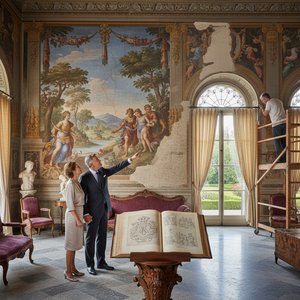
家族の遺産を壁画で彩る:伝統技法が紡ぐ、時を超越する美と記憶
古代から現代までの壁画の歴史と技法を解説。日本の壁画文化やカスタムオーダーによる家族の遺産表現、保存・修復技術まで網羅。専門家が時を超越する美と記憶を紡ぐ芸術的価値をご案内します。

The Enduring Legacy of Fresco: Technique, History & Artistic Expression
Explore the rich history & enduring artistry of fresco painting. Discover techniques from Giotto to Michelangelo, conservation efforts, & modern applications. Learn how OriginalUniqueArt brings this timeless art form to your home.

Art That Lives With You: The Emotional Power of a Custom Interior Fresco
Discover the emotional power & timeless beauty of custom interior frescoes. Explore history, design tips & expert guidance from – creating lasting legacies.
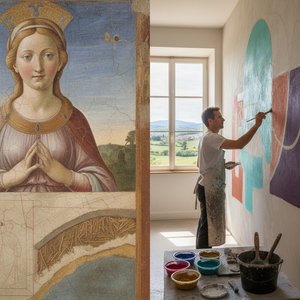
The Enduring Legacy of Fresco Painting: Techniques, History & Contemporary Relevance
Explore the rich history & enduring artistry of fresco painting – from Giotto to Michelangelo! Discover techniques, conservation efforts, & modern applications. Learn how OriginalUniqueArt brings this timeless art form to your home.