
 プレビュー
プレビュー
 プリントを購入
 シェアする
シェアする シェアする
シェアする
 詳細を見る
詳細を見る

 ダウンロード
 似ている作品
 X線調査
X線調査 スライドショー
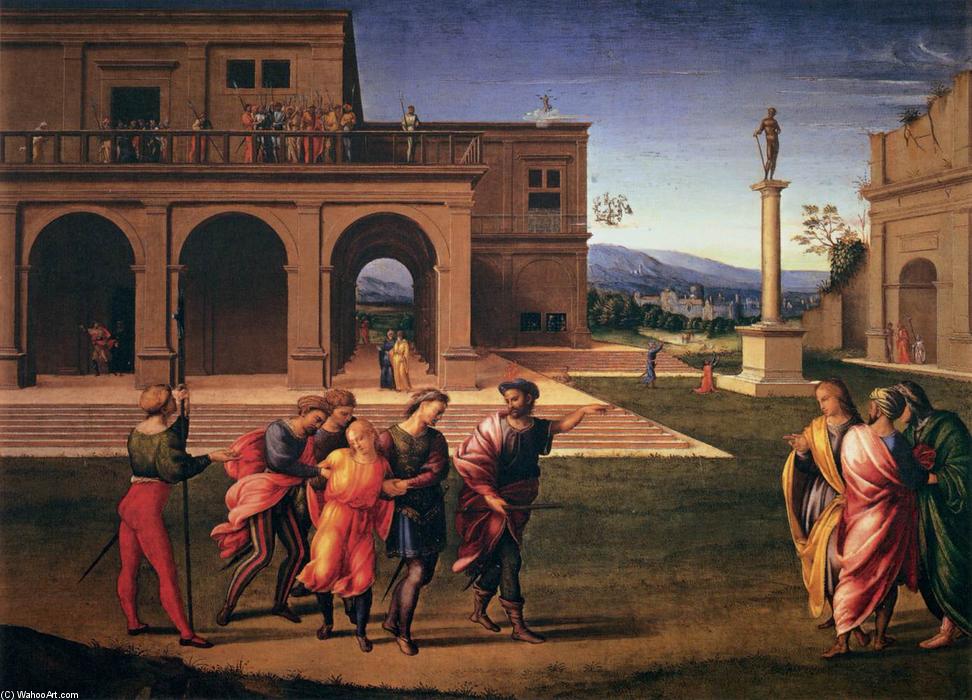
Joseph Conducted to Prison
 Acrylic On Canvas
- WallArt
- Renaissance
 1515
1515 95.0 x 224.0 cm
 ウフィツィ美術館
 詳細を見る
詳細を見る
オンラインプレビューをはるかに凌ぐ、高解像度で鮮明なデジタル画像をご購入いただけます。
各ファイルは、社内の専門家が高度なツールと熟練した手作業によるレタッチを用いて、細心の注意を払って準備されています。すべての画像において、卓越した鮮明度、正確な色彩再現性、そして繊細なディテールを保証いたします。
最終ファイルは、プロフェッショナルな編集・印刷環境ですぐにご利用いただけるよう最適化された状態で、72時間以内にメールにてお届けいたします。これは、一流のデザインスタジオ、出版社、ギャラリーから信頼されているものと同等の品質です。
デジタル画像のご注文に付随する特典
高品質なデジタル画像配信を、確かな品質で。
OriginalUniqueArt.com を選ぶことは、単に画像を手に入れることではありません。それは、プロの手によって精密に仕上げられ、満足保証が付いた高品質なデジタルアートワークを受け取ることを意味します。ご注文いただいた際に自動的に付随する内容は、以下の通りです:

メールですぐにお届け
ご注文から72時間以内に、高解像度のデジタル画像ファイルがメールでお手元に届きます。すぐにそのままご利用いただけます。

AI技術で最適化されたデジタルファイル
お客様の作品は、高度なAIツールと専門家による手作業の編集を組み合わせてプロフェッショナルに最適化されており、細部のディテール、鮮明さ、そして正確な色再現性を最大限に引き出しています。

一生涯無料の再送サービス
ファイルを誤って削除したり、紛失してしまったりしましたか?ご安心ください。いつでも無料で再送いたします。

輸入手数料は一切かかりません
関税や手数料、配送料を気にすることなく、お気に入りのアートワークをすぐにお楽しみいただけます。デジタルダウンロードは常に免税です。

色彩再現の保証
プロ仕様のツールとカラーマネジメント技術を用いることで、デジタル画像が元の色を最大限に忠実に再現することを保証いたします。

60日間満足保証
ご購入いただいたデジタル画像にご満足いただけない場合は、60日以内であれば、修正または100%の返金(理由を問う必要はありません)をさせていただきます。

100% 返金保証
ご満足いただけない場合は、デジタルファイルを受け取ってから60日以内であれば、理由を問わず全額返金いたします。

まとめ買い割引
3枚購入で10%OFF - 5枚購入で15%OFF - 10枚以上購入で20%OFF。クリエイティブなプロジェクト、ギャラリー、エージェンシーに最適です。
作品の詳細
The Weight of Betrayal: Francesco Granacci’s “Joseph Conducted to Prison”
Francesco Granacci's "Joseph Conducted to Prison," painted in 1515 and now residing within the hallowed halls of the Galleria degli Uffizi in Florence, is more than just a biblical scene; it’s a potent distillation of human suffering, familial betrayal, and the enduring struggle for justice. The painting immediately commands attention with its dramatic composition – a stark contrast between the shadowed prison entrance and the distant, almost ethereal glow of the Florentine sky. Granacci masterfully employs tempera on canvas, a technique that lends the work a remarkable depth and luminosity, capturing both the harsh realities of Joseph’s predicament and the lingering hope for redemption.
The scene unfolds with agonizing precision. Joseph, clad in simple robes and bound by chains, is led forward by two stern-faced soldiers, his posture conveying a profound sense of despair. His face, etched with sorrow and resignation, speaks volumes about the injustice he has endured – the calculated malice of his brothers culminating in his false accusation and subsequent imprisonment. Granacci doesn’t shy away from depicting the emotional weight of this moment; the subtle furrowing of Joseph's brow, the downward tilt of his head, all contribute to a palpable sense of anguish. In the background, we glimpse the figures of Joseph’s brothers, their expressions a complex blend of guilt and remorse – a poignant reminder that the seeds of betrayal were sown within their own family.
A Renaissance Masterpiece: Technique and Style
Granacci's artistic style is deeply rooted in the traditions of the Florentine Renaissance, yet he possesses a distinctive sensitivity that sets his work apart. He demonstrates a keen understanding of perspective, creating a believable sense of space within the confined setting of the prison entrance. The use of chiaroscuro – the dramatic interplay of light and shadow – further enhances the emotional impact of the scene, drawing our attention to Joseph’s face and emphasizing the oppressive atmosphere of his captivity. The brushwork is remarkably detailed, particularly in the rendering of the fabrics, the textures of the soldiers' armor, and the subtle nuances of expression on the faces of the figures.
The choice of tempera as the medium is crucial to understanding Granacci’s approach. Tempera paints dry quickly when applied to a prepared gessoed surface, allowing for meticulous layering and blending – a technique that enabled Granacci to achieve the rich colors and intricate details characteristic of his work. Furthermore, tempera lends itself particularly well to capturing subtle gradations of tone and value, contributing significantly to the painting’s overall sense of realism and emotional depth.
Historical Context: Joseph's Journey and Renaissance Symbolism
“Joseph Conducted to Prison” is not merely a depiction of a biblical narrative; it’s an exploration of universal themes – betrayal, injustice, resilience, and the promise of eventual vindication. The story of Joseph, as recounted in Genesis, resonates deeply with audiences across cultures and throughout history, serving as a powerful allegory for the human condition. Granacci's painting taps into this enduring symbolism, transforming a religious tale into a timeless meditation on suffering and forgiveness.
The setting itself – a prison entrance – carries significant symbolic weight. It represents not only Joseph’s physical confinement but also his spiritual imprisonment, his separation from his family and his loss of freedom. The distant sky, bathed in an ethereal light, offers a glimmer of hope, suggesting that even in the darkest of circumstances, redemption is possible. The inclusion of Joseph's brothers in the background underscores the central theme of familial betrayal, highlighting the devastating consequences of envy and malice.
Emotional Resonance: A Timeless Appeal
“Joseph Conducted to Prison” continues to captivate viewers centuries after its creation due to its profound emotional resonance. Granacci’s masterful depiction of human suffering evokes a powerful sense of empathy and compassion, inviting us to contemplate the complexities of morality, justice, and forgiveness. The painting's dramatic composition, rich colors, and meticulous detail combine to create an unforgettable visual experience – a testament to the enduring power of art to illuminate the human spirit.
Reproductions of this iconic work offer a remarkable opportunity to bring its timeless beauty into your home or office. Consider commissioning a high-quality hand-painted reproduction from reputable artists specializing in Renaissance reproductions, ensuring that you own a faithful representation of Granacci’s masterpiece and a treasured addition to your collection.
作家の略歴
Early Life and Florentine Beginnings
Francesco Granacci, born in the Tuscan village of Villamagna in 1469, emerged during a period of extraordinary artistic ferment in Florence. His early life was deeply intertwined with the city’s burgeoning Renaissance spirit, and his formative years were spent within the esteemed workshop of Domenico Ghirlandaio—a master renowned for his clarity of line, balanced compositions, and vibrant narrative frescoes. It was here that Granacci absorbed the foundational principles of Florentine painting, honing his skills alongside a cohort of talented apprentices. However, it wasn’t solely Ghirlandaio who shaped the young artist's trajectory; a particularly close friendship with Michelangelo Buonarroti blossomed during this time. The two shared a passion for classical sculpture and frequented Lorenzo de’ Medici’s renowned garden, immersing themselves in the study of ancient forms—an experience that would subtly yet profoundly influence Granacci’s artistic development. Early works like the Madonna and Child with Saints Michael and John the Baptist, now housed in Berlin's Staatliche Museen, and the Adoration of the Child at the Honolulu Museum of Art reveal a nascent talent already demonstrating Ghirlandaio’s influence, yet hinting at a unique sensibility beginning to emerge.A Collaborative Spirit and Roman Interlude
Granacci’s artistic path wasn't solely defined by solitary practice; collaboration played a significant role in his growth. He frequently worked alongside Filippino Lippi, whose style also left an indelible mark on his early paintings. Vasari recounts that Granacci even served as a model for the nude figure in Lippi’s celebrated Raising of Theophilus within the Brancacci Chapel—a testament to the close working relationship between the two artists. In 1508, a pivotal moment arrived when Granacci journeyed to Rome. There, he joined Michelangelo and other skilled painters assisting with the monumental task of decorating the Sistine Chapel ceiling. While his direct contribution remains debated, this experience exposed him to the sheer scale and ambition of High Renaissance art, broadening his artistic horizons and instilling a greater sense of sculptural form in his compositions. Upon returning to Florence, Granacci’s work began to exhibit a newfound dynamism, evident in pieces like Rest on the Flight into Egypt, where figures possess a more robust physicality and are set within exotic landscapes rendered with radiant color.Religious Themes and Florentine Commissions
The majority of Granacci's oeuvre centers around religious subjects—frescoes, altarpieces, and devotional paintings that reflect the piety and artistic tastes of his time. He secured numerous commissions throughout Florence, working for various churches and convents. Notable examples include the Madonna with Child with Saints Francesco and Jerome, originally created for the Augustinian convent of San Gallo, and the Assumption of the Virgin commissioned for Santi Girolamo e Francesco sulla Costa—both now residing in the Galleria dell'Accademia. In 1515, he participated in a large-scale decorative project celebrating Pope Leo X’s visit to Florence, collaborating with prominent artists such as Andrea del Sarto and Jacopo Pontormo. This period saw him create Joseph Presents his Father and his Brothers to the Pharaoh, now gracing the Uffizi Gallery—a work that showcases his skill in narrative clarity and detailed composition.Later Years and Artistic Synthesis
As Granacci matured, his style underwent a subtle yet significant evolution. He began incorporating influences from artists like Fra Bartolomeo and Pietro Perugino, absorbing elements of Umbrian painting characterized by its soft modeling and harmonious color palettes. This synthesis of diverse artistic currents resulted in works that balanced the clarity of Florentine tradition with a more nuanced emotional depth. While he never achieved the widespread renown of his contemporaries, Granacci was consistently regarded as a dependable and skilled craftsman—a painter whose work stood at an important juncture between the older Florentine manner and the emerging aesthetics of the High Renaissance. He passed away in Florence in 1543, buried within the Church of Sant’Ambrogio, leaving behind a legacy of devotional paintings that continue to offer glimpses into the artistic life of Renaissance Italy.Historical Significance
Francesco Granacci's historical significance lies not in radical innovation but in his embodiment of the collaborative spirit and evolving stylistic trends of Florentine painting during the High Renaissance. He was a skilled artisan who successfully navigated the complex interplay of influences—from Ghirlandaio and Lippi to Michelangelo, Fra Bartolomeo, and Perugino—creating works that reflect the artistic diversity of his time. Though often overshadowed by more celebrated figures, Granacci’s paintings provide valuable insights into the religious sensibilities and aesthetic preferences of 16th-century Florence. His ability to blend narrative clarity with a growing emotional depth makes him a compelling figure in the broader context of Renaissance art history—a testament to the enduring power of artistic synthesis and dedicated craftsmanship.
Francesco Granacci
1469 - 1543 , Italy
プロフィール概要
- Artistic Movement Or Style: Renaissance
- Artists Or Movements Influenced By This Artist: ['Botticelli']
- Artists Who Influenced This Artist: ['Andrea del Verrocchio']
- Date Of Birth: 1452-04-15
- Date Of Death: 1519-05-02
- Full Name: Leonardo di ser Piero da Vinci
- Nationality: Italian
- Notable Artworks:
- Mona Lisa
- The Last Supper
- Vitruvian Man
- Place Of Birth: Florence, Italy

