
 設置イメージを確認
 送る
送る シェア
シェア
 詳細情報
詳細情報 ガイドを表示

 画像をダウンロード
 似ている作品
 X線調査
X線調査 スライドショー
 統計情報
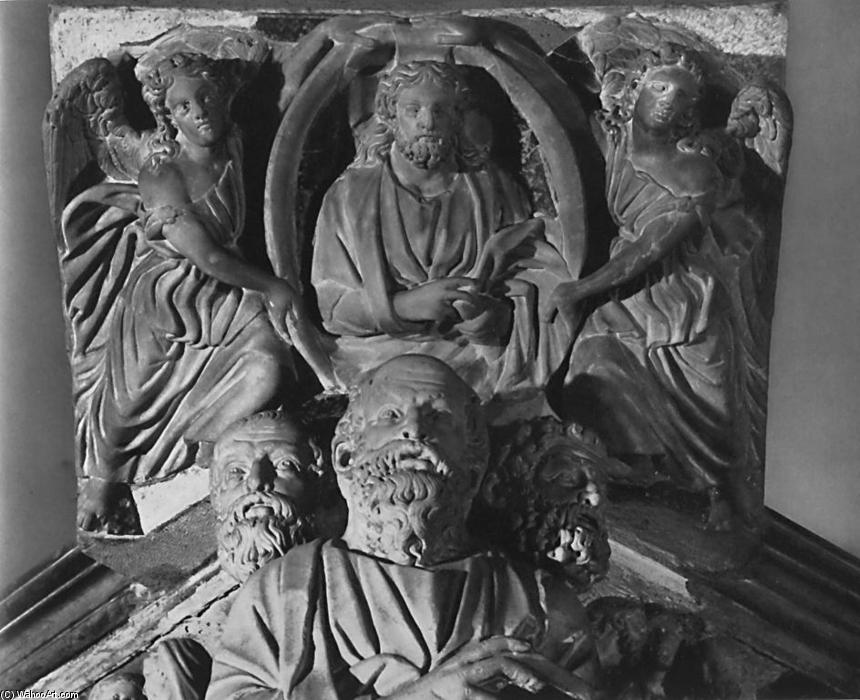
統計情報Pulpit (detail)


 続きを読む
続きを読む
このページに掲載されている作品は著作権法によって保護されており、当社の許可なく同一の複製物を制作または販売することは法律で禁じられています。この保護は、以下のような国際条約に基づき執行されます。 ベルヌ条約 および、以下の条項に定められたものを含む各国の法律により、 米国著作権法 第17編。
敬意を払った法的な代替手段として、私たちはオリジナルにインスピレーションを与えられた、カスタムの手描きアートワークを提供しています。私たちの熟練したプロのアーティストは、元の作品が持つスタイル、情緒、そして芸術的なエッセンスを注意深く研究し、独自の創作物でありながら、同じ感性を呼び起こすような、新しくユニークな作品を作り上げます。
この手法は、著作権で保護された作品の複製や複写を伴わないため、著作権法に完全に準拠しています。これは単なる模倣ではなく、創造的な再解釈です。元の作品からインスピレーションを受けつつも、それとは異なる、全く新しい絵画を生み出すものです。
手描き油彩複製画
当社のアーティストが、お客様のご希望のサイズと額縁に合わせて、キャンバスに手描きで制作する油彩画です。 ( プリント版に切り替え デジタル画像販売へ切り替え)




































作品のオリジナル比率に合わせた、当店の規定サイズからお選びください。

フレームや壁のスペースに合わせて、ご希望の幅と高さを入力してください。本作品は手描きのため、異なる比率のサイズをご希望の場合、絵画の周囲を少し広げて描くか、あるいは端を少しカットして調整することが可能です。お客様のご要望に合わせます。制作を開始する前に、仕上がりを確認するためのデジタルモックアップをお送りいたします。このページに表示されている画像は完成品の実物ではなく、あくまでモックアップによるイメージです。
ご注文後、OriginalUniqueArt.com チームより詳細な指示をお送りするとともに、仕上がりイメージ(モックアップ)をご提供いたします。


 ガラスオプションは、110cm未満のサイズでのみご利用いただけます。

Pulpit (detail)
再現技法
複製画サイズ一覧
-


合計金額
¥ 67442
アーティストについて
Guglielmo Achille Cavellini: A Pioneer of Self-Historicization and Abstract Art
Guglielmo Achille Cavellini (1914-1990), a name perhaps less familiar than some of his contemporaries, stands as a pivotal figure in the evolution of 20th-century Italian art. Born in Brescia, Italy, into a family with roots in Tuscany’s Lunigiana region – a landscape steeped in artistic tradition – Cavellini's life was one of constant movement and intellectual exploration, ultimately shaping him into a unique artist, collector, and self-historian. His career spanned decades, encompassing painting, performance art, mail art, and most notably, the development of his groundbreaking concept of *autostoricizzazione*—a deliberate attempt to construct a personal history through his own artistic output. Cavellini’s legacy lies not just in his individual works but in his radical approach to defining an artist's identity and relationship to their oeuvre.Early Life and Artistic Beginnings
Guglielmo Achille Cavellini was born on September 11, 1914, into a family deeply connected to the artistic heritage of Tuscany. His parents, hailing from small villages near Pontremoli, brought with them a tradition of craftsmanship and an appreciation for visual culture. Following his father’s work as a bricklayer and later as a hawker, the family relocated to Switzerland, then Lombardy, eventually settling in Brescia where they opened a store called Bazar 33. From a young age, Cavellini demonstrated a keen interest in drawing and painting, primarily landscapes—a reflection of his familial ties to the rolling hills and picturesque scenery of Tuscany. His formal artistic education began at the Cesare Arici Jesuit College, where he studied for nine years, but was forced to interrupt his studies due to family responsibilities. This early exposure to both traditional academic training and independent exploration laid the foundation for his later experimentation with diverse art forms.Influences and Artistic Development
Cavellini’s artistic journey was profoundly shaped by a series of encounters and experiences. A pivotal meeting in 1935 with Lisetta, whom he would marry, provided him with a crucial creative partnership. In 1938, while residing in Cortina d'Ampezzo, he befriended the painter Domenico Mucci, who offered him invaluable painting lessons. This period marked an important shift towards abstraction and experimentation. Crucially, Cavellini’s artistic development was fueled by his extensive travels and engagement with the art world. He spent time in Venice, absorbing the atmosphere of the city and studying the works of Filippo de Pisis; he visited Burano, where he met another influential painter. However, it was a visit to the Procuratie in Venice, before Giorgione’s *Tempest*, that proved particularly transformative. There, he encountered Emilio Vedova, who encouraged him to organize an exhibition showcasing his own work, alongside the contributions of Giuseppe Santomaso and art critics Giuseppie Marchiori and Marco Valsecchi. This event served as a crucial validation of his artistic vision and established him within the burgeoning Italian avant-garde scene. The collection he curated included works by Giorgio de Chirico, Amadeo Modigliani, Giorgio Morandi, Henri Rousseau, André Derain, Alfred Sisley, and Paul Cézanne – artists whose diverse styles and approaches undoubtedly influenced his own evolving aesthetic.Innovation: Autostoricizzazione and Mail Art
In the 1960s, Cavellini developed a truly unique concept—*autostoricizzazione*, or self-historicization. Rejecting traditional biographical accounts of artists, he began to construct his own personal history through his art itself. He created a series of works, including *Exhibitions at Home* and *Round Trip*, which functioned as deliberate narratives about his life, experiences, and artistic process. This involved sending himself postcards bearing images of his artwork, accompanied by handwritten notes—a form of mail art that simultaneously documented his activities and actively shaped the perception of his career. This innovative approach challenged conventional notions of authorship and artistic identity, positioning the artist not merely as a creator but as an active participant in shaping their own historical narrative.Legacy and Significance
Guglielmo Achille Cavellini’s contribution to 20th-century art is multifaceted. He was a pioneer of Mail Art, pushing the boundaries of artistic communication through unconventional means. His exploration of Neo-Dada and performance art further solidified his position as a key figure in Italian avant-garde movements. However, it is *autostoricizzazione* that truly distinguishes Cavellini’s work—a radical concept that continues to resonate with contemporary artists grappling with questions of identity, authorship, and the role of art in shaping our understanding of history. His influence extends beyond his individual creations; he left behind a legacy of experimentation, self-reflection, and a profound challenge to established artistic conventions. His archive, meticulously assembled over decades, offers a unique window into the mind of an artist who actively constructed his own story through the very act of creating art.
Fra Guglielmo
1914 - 1990 , United Kingdom
アーティスト情報
- Full Name: Guglielmo Achille Cavellini
- Nationality: Italian
- Date Of Birth: 1914
- Date Of Death: 1990
- Place Of Birth: Brescia, United Kingdom
- Notable Artworks:
- Autostoricizzazione
- Round Trip
- Artistic Movement Or Style:
- Abstract art
- Mail Art
- Neo-Dada
- Performance art
- Artists Who Influenced This Artist:
- Giorgio de Chirico
- Amedeo Modigliani
- Gennaro Bellini
- Artists Or Movements Influenced By This Artist: ['Modern Italian art']