

 シェアする
シェアする シェアする
シェアする
 詳細を見る
詳細を見る ガイド
ガイド

 ダウンロード
 似ている作品
 スライドショー
 統計情報
統計情報Kusha Grass


 詳細を見る
詳細を見る
手描き油彩複製画
当社のアーティストが、お客様のご希望のサイズと額縁に合わせて、キャンバスに手描きで制作する油彩画です。 ( プリント版に切り替え デジタル画像販売へ切り替え)




































作品のオリジナル比率に合わせた、当店の規定サイズからお選びください。

特定のフレームやスペースに合わせて、ご希望のサイズをご入力いただけます。選択されたサイズが元の画像の比率と異なる場合、アートワークをトリミングするか、手描きで要素を追加して絵画を拡張いたします。デジタルモックアップ を制作し、制作開始前にご確認(承認)をいただきます。
画面上のプレビューは、実際のトリミングや拡張を正確に反映しているものではありません。最終的な構図は、モックアップによってのみ正確にご確認いただけます。
カスタムサイズもご利用いただけますが、元の比率を維持するためには、あらかじめ用意されたリストからサイズを選択することをお勧めいたします。
ご注文後、OriginalUniqueArt.com チームより詳細な指示をお送りするとともに、仕上がりイメージ(モックアップ)をご提供いたします。


 ガラスオプションは、110cm未満のサイズでのみご利用いただけます。

Kusha Grass
複製技法
複製画のサイズ
-


合計金額
$ 300
A Vision of Eternal Renewal
In the quietude of the Dashu District in Kaohsiung, Taiwan, there exists a profound intersection of spiritual devotion and sculptural mastery. The artwork “Kusha Grass,” brought to life by the Fo Guang Shan Buddha Museum in 2011, serves as more than a mere physical object; it is a window into the heart of Mahāyāna Buddhist philosophy. At its core, the piece captures a moment of profound tenderness and miraculous hope. The narrative etched into the stone whispers of a time when Siddhartha Gautama, the Buddha, offered a path to overcome the most harrowing of human experiences: the loss of a child. Through the delicate depiction of a community gathered in shared grief and spiritual seeking, the sculpture invites the viewer to step away from the chaos of modern life and enter a realm of meditative stillness.
The subject matter unfolds like a sacred tableau, presenting a group of figures arranged with a deliberate, rhythmic grace around a central bowl. A man, radiating the serene authority of a religious figure, sits at the heart of this assembly, his presence acting as an anchor for the surrounding souls. Men and women, draped in traditional attire that speaks of ancient customs, lean inward, their postures reflecting a collective state of prayer and conversation. The inclusion of a child within this circle adds a layer of poignant vulnerability, grounding the high spiritual themes in the raw, universal reality of human connection. This gathering is not merely a social event but a ritualistic communion, where the soft, imagined light illuminates the faces of those seeking solace.
The Mastery of Sandstone and Symbolism
Technically, “Kusha Grass” is a triumph of sandstone carving, a medium that demands both immense strength and extreme delicacy. The artists at the Fo Guang Shan Buddha Museum have utilized meticulous sculpting techniques to transform the rugged texture of sandstone into a surface that feels almost supple. Every nuance of human expression—the furrowed brow of sorrow, the gentle tilt of a head in contemplation, and the subtle tension in a hand—is captured with breathtaking precision. The smooth finish of the sculpture contributes to an aura of tranquility, allowing light to glide over the forms and creating a sense of depth that invites the eye to linger on the intricate details of the drapery and the communal bowl.
Beyond its physical beauty, the symbolism embedded within the work is deeply resonant for collectors and enthusiasts of Eastern art. The kusha grass itself—a plant revered in Buddhist tradition for its restorative properties—serves as a powerful metaphor for resilience. It represents the belief that even in the face of decay and impermanence, renewal is possible through mindfulness and compassion. For an interior space, this piece offers a profound emotional anchor; it embodies the concept of interconnectedness, reminding us that our individual struggles are woven into the larger tapestry of human experience. To possess a reproduction of such a work is to invite a permanent sense of peace and a reminder of the enduring strength found in faith and community.
アーティストの略歴
信仰と芸術の聖域:佛光山仏教博物館
台湾、高雄市の大樹区に静かに佇む佛光山仏教博物館は、単なる聖なる遺物や芸術作品の収蔵庫ではありません。それは、仏教哲学が持つ不朽の力と、東アジア文化に与えた深い影響を鮮やかに物語る証なのです。台湾最大の仏教組織である佛光山の創始者、星雲大師のビジョンから生まれたこの博物館は、200 Seb8年に始まった長年の献身的な建設を経て、2011年12月にその扉を公式に開きました。大乗仏教の灯台として、芸術、文化、映画、人間学的な探求、そして国際交流を網羅した没入型の体験を通じて、法(ダルマ)を伝えるために細部まで緻密に設計されています。この博物館の誕生には、ある驚くべき物語が深く関わっています。1998年、星雲大師は、30年もの間その守護を続けてきたチベットの僧侶、クンガ・ドルジェ・リンポチェから釈迦牟尼仏の歯舎利を託されました。この神聖な贈り物が、その尊厳にふさわしく、仏教の知恵を世界へと分かち合うための空間を創り出す原動力となったのです。建築的象徴性と芸術の至宝
博物館のデザインには深い象徴性が込められており、仏教思想の核心的な教義を反映しています。建築的な旅は「円満門」から始まり、「解脱門」へと続きます。その両門には、力、知恵、そして守護の強力な象徴である威厳に満ちた獅子や象の像が飾られています。これらの入り口を通り抜けると、参拝者は広大な複合施設へと導かれ、そこでは瞑想の焦点となる圧倒的な存在感を放つ「佛光大仏」が鎮座しています。また、風景の中には、仏教の宇宙観においてそれぞれ異なる意味を持つ、独自のデザインを施された8つの塔が点在しています。これらの建造物や博物館のホールには、仏教を主軸とした、中国および台湾の文化的遺産を反映する多様な芸術作品が収められています。絵画、彫刻、インスタレーションは、伝統的な技法と現代的な解釈の両方を示す幅広い芸術様式を提示しています。この博物館は単に芸術を展示する場所ではなく、美的な表現を通じて仏教の真理を具現化しているのです。 <察注目のアーティストと名作たち
佛光山仏教博物館は、一般的な意味での個々のアーティストによって定義される存在というよりも、一つの機関として機能していますが、数多くの創造者たちがその芸術的景観に多大な貢献を果たしてきました。陳澄波は、情緒豊かな油彩画「夏の英国の街角」で知られ、繊細な美しさと瞑想的な静寂に満ちた日常の一端を私たちに見せてくれます。同様に、侯連欽による石彫作品は、仏教の図像学に触覚的な質をもたらし、精神的な概念を形あるものとして定着させています。こうした個々の貢献に加え、博物館のコレクションには、仏教芸術と文化への献身を象徴する魅力的な作品が並びます。写真によって捉えられた「釈迦の入滅」は、超越へと向かう決定的な瞬間を力強く伝えます。「須達供養」は、現実の本質を表現した見事な芸術作品です。「道教の儀式」は台湾の文化的慣習の魅力的な交差を示し、「阿那律陀のための三衣の縫製」は、繊細な技巧をもって慈悲と仏教的象徴を描き出しています。さらに、デジタル絵画「目連の母救済」のように、仏教説話の場面を鮮やかなディテールで描いた作品も収蔵されています。「父の棺を担ぐ」といった絵画は、東アジアの芸術伝統を通じて、敬虔さと精神的な超越を表現しています。保存、教育、そしてグローバルな対話への誓い
佛光山仏教博物館は、単に受動的に鑑賞するための場所ではありません。ここは、教育、文化交流、そして仏教遺産の保存のための能動的な拠点なのです。博物館は世界中の機関との対話と協力を促進するため、グローバルな博物館間プログラムに積極的に参加しています。また、「生命教育」の取り組みは、仏教の原理とその日常生活への応用についての理解を深めることを目的としており、ワークショップや講義、ガイド付きの瞑想を提供しています。仏教についてより深く学びたいと願う人々のために、公共サービスも整えられており、誰もがアクセスしやすいリソースが用意されています。このアクセシビリティへの献身は、博物館の無料入館政策によって裏付けられており、その至宝がすべての人に開かれていることを保証しています。品質と保存への取り組みにおいて国際的に認められたこの博物館は、国際博物館会議(ICOM)の会員であり、2015年からはISO 50001 2011認証を取得しており、博物館管理と環境責任に関する厳格な基準を遵守していることを証明しています。この博物館は、星雲大師のビジョンの生きた体現として存在しています。それは、絶えず変化し続ける世界において、仏の知恵が平和、慈悲、そして理解を呼び起こすための聖域なのです。
佛光山仏教博物館
台湾
基本情報
- Artistic Movement Or Style: 仏教美術
- Full Name: 佛光山仏教博物館
- Nationality: 台湾
- Notable Artworks:
- 釈迦涅槃入滅
- 須達多への教え
- 道教の儀式
- 三衣を縫う…
- Other Names: 仏陀記念館
- Place Of Birth: 台湾、大樹区
関連記事

The Enduring Form: Exploring Themes & Techniques in Sculpture Across Historical Periods
Explore the rich history of sculpture from ancient masterpieces to contemporary innovations. Discover key techniques, influential artists & investment potential for discerning art collectors.

Bronze Age to Modern Masters: 10 Sculptures That Redefined Art | OriginalUniqueArt
Journey through art history with 10 legendary bronze sculptures – from Michelangelo's David to Rodin’s Thinker. Explore the stories, techniques & timeless beauty of these masterpieces. Find museum-quality reproductions & elevate your home decor on OriginalUniqueArt.com.
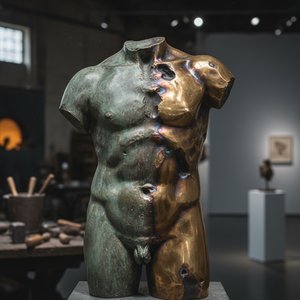
青銅彫刻の永続的遺産:歴史、技法、そして現代における解釈
青銅彫刻の歴史、技法、現代における解釈を専門家が解説。古代から現代までの貴重な作品群を深く理解し、コレクションや投資に役立つ情報を提供します。美術品鑑定、修復についてもご紹介。

The Enduring Form: Sculpture Across History, Technique & Emotional Resonance
Explore the rich history of sculpture with OriginalUniqueArt. Discover key techniques, influential artists & investment potential for discerning collectors. Expert insights into valuing and collecting timeless masterpieces.

Bronze Sculptures That Defined Art History | OriginalUniqueArt
Journey through art history with our Top 10 bronze sculptures! Explore masterpieces by Rodin, Michelangelo & more. Discover stories behind iconic statues and find museum-quality reproductions for your home decor at OriginalUniqueArt.com.

