

 設置イメージを確認
 送る
送る シェア
シェア
 詳細情報
詳細情報 ガイドを表示

 画像をダウンロード
 似ている作品
 X線調査
X線調査 スライドショー
 統計情報
統計情報Converting Matanga


 続きを読む
続きを読む
手描き油彩複製画
当社のアーティストが、お客様のご希望のサイズと額縁に合わせて、キャンバスに手描きで制作する油彩画です。 ( プリント版に切り替え デジタル画像販売へ切り替え)




P118B $10

P118H $10

P118W $10

P438Z $10

P508JH $12

P508YH $12

P805H $10

P805Z $10

P919BZ $10

P919G $10

P919XJ $10

P959ZH $10

P968JZ $12

W106C $8

W218G $10

W218JH $8

W218Y $10

W307PJ $10

W316G $10

W316PJ $8

W316Y $10

W398PJ $8

W4111J $10

W500HY $15

W500JH $15

W692G $12

W849H $8

W940BG $15

W953PJ $8




作品のオリジナル比率に合わせた、当店の規定サイズからお選びください。

特定のフレームやスペースに合わせて、ご希望のサイズをご入力いただけます。選択されたサイズが元の画像の比率と異なる場合、アートワークをトリミングするか、手描きで要素を追加して絵画を拡張いたします。デジタルモックアップ を制作し、制作開始前にご確認(承認)をいただきます。
画面上のプレビューは、実際のトリミングや拡張を正確に反映しているものではありません。最終的な構図は、モックアップによってのみ正確にご確認いただけます。
カスタムサイズもご利用いただけますが、元の比率を維持するためには、あらかじめ用意されたリストからサイズを選択することをお勧めいたします。
ご注文後、OriginalUniqueArt.com チームより詳細な指示をお送りするとともに、仕上がりイメージ(モックアップ)をご提供いたします。


 ガラスオプションは、110cm未満のサイズでのみご利用いただけます。

Converting Matanga
再現技法
複製画サイズ一覧
-


合計金額
$ 300
A Sanctuary of Faith and Art: The Fo Guang Shan Buddha Museum
The Fo Guang Shan Buddha Museum stands as an extraordinary achievement—a testament not only to architectural prowess but also to the profound dedication of preserving and disseminating Buddhist art and philosophy. Located in Dashun District, Kaohsiung, Taiwan, this sprawling complex houses a breathtaking collection spanning centuries of artistic expression originating from across Asia. Its creation began in 2008 under the visionary leadership of Venerable Master Hsing Yun, reflecting his unwavering belief that art serves as an invaluable conduit for spiritual understanding and cultural enrichment. The museum’s very foundation rests upon a singular gift: a tooth relic of Sakyamuni Buddha entrusted to him by Kunga Dorje Rinpoche—a symbol of compassion and enlightenment that embodies the core tenets of Mahāyāna Buddhism.- Subject Matter & Narrative
- Style & Technique
- Historical Context: Buddhist Iconography Across Eras
- Symbolism & Spiritual Significance
- Emotional Impact & Aesthetic Experience
Subject Matter & Narrative
At its heart lies a monumental statue of Amitabha Buddha—a figure revered as the Lord of Infinite Light and Compassion—constructed with meticulous detail. The sculpture depicts Amitabha in a serene posture, radiating tranquility and embodying the bodhisattva ideal: selfless devotion to alleviating suffering for all beings. Surrounding this central masterpiece are numerous depictions of Buddhist deities, saints, and narratives from Buddhist scriptures – illustrating tales of enlightenment, compassion, and moral virtue. These artworks aren’t merely representations; they're visual interpretations of profound spiritual concepts designed to inspire contemplation and foster a deeper connection with Buddhist teachings. The museum curators have skillfully crafted an environment that encourages visitors to engage actively with these stories and symbols, fostering a sense of wonder and reverence.Style & Technique
The artistic style employed throughout the museum is predominantly influenced by traditional Chinese sculpture techniques—specifically casting bronze—a method perfected over millennia. Skilled artisans utilized molds crafted from clay and meticulously poured molten bronze into them, achieving unparalleled precision and capturing subtle nuances of expression. The surface finish achieved is remarkably smooth and polished, reflecting not only technical mastery but also a deep appreciation for aesthetic beauty. Furthermore, the museum’s paintings showcase vibrant colors and intricate brushstrokes—characteristic of Taiwanese Buddhist art—demonstrating a harmonious blend of Eastern artistic traditions. These techniques underscore the importance of craftsmanship and patience in conveying spiritual truths effectively.Historical Context: Buddhist Iconography Across Eras
Buddhist iconography has evolved across diverse cultures throughout history, reflecting changing philosophical perspectives and artistic sensibilities. The sculptures and paintings within Fo Guang Shan Museum trace this trajectory from ancient Indian prototypes to elaborate depictions prevalent in Tibetan monasteries and Southeast Asian temples. Recurring motifs—such as lotus blossoms symbolizing purity and enlightenment—and stylized representations of Buddha’s attributes—like the Dharma wheel representing Buddhist doctrine—communicate universal spiritual ideas across geographical boundaries. Examining these artworks provides invaluable insight into the historical development of Buddhism and its enduring influence on artistic expression worldwide.Symbolism & Spiritual Significance
Each element within the museum's artwork carries symbolic weight, reinforcing core Buddhist concepts. The lotus flower’s unfolding petals represent spiritual growth and transformation—a metaphor for overcoming obstacles and attaining liberation. The Buddha’s gesture of offering—symbolizing generosity and compassion—underscores the bodhisattva vow to alleviate suffering. These symbols transcend cultural differences, resonating with viewers on a visceral level and prompting reflection on fundamental questions about existence and morality.Emotional Impact & Aesthetic Experience
Ultimately, Fo Guang Shan Buddha Museum seeks to evoke an emotional response in visitors—a feeling of serenity, awe, and profound contemplation. The carefully curated spaces—illuminated by natural light—and the harmonious blend of art and architecture contribute to a tranquil atmosphere conducive to spiritual exploration. Viewing these artworks inspires appreciation for beauty, encourages mindfulness, and fosters a deeper understanding of Buddhist values—leaving an indelible mark on those who immerse themselves in this extraordinary artistic sanctuary.アーティストについて
信仰と芸術の聖域:佛光山仏教博物館
台湾、高雄市の大樹区に静かに佇む佛光山仏教博物館は、単なる聖なる遺物や芸術作品の収蔵庫ではありません。それは、仏教哲学が持つ不朽の力と、東アジア文化に与えた深い影響を鮮やかに物語る証なのです。台湾最大の仏教組織である佛光山の創始者、星雲大師のビジョンから生まれたこの博物館は、200 Seb8年に始まった長年の献身的な建設を経て、2011年12月にその扉を公式に開きました。大乗仏教の灯台として、芸術、文化、映画、人間学的な探求、そして国際交流を網羅した没入型の体験を通じて、法(ダルマ)を伝えるために細部まで緻密に設計されています。この博物館の誕生には、ある驚くべき物語が深く関わっています。1998年、星雲大師は、30年もの間その守護を続けてきたチベットの僧侶、クンガ・ドルジェ・リンポチェから釈迦牟尼仏の歯舎利を託されました。この神聖な贈り物が、その尊厳にふさわしく、仏教の知恵を世界へと分かち合うための空間を創り出す原動力となったのです。建築的象徴性と芸術の至宝
博物館のデザインには深い象徴性が込められており、仏教思想の核心的な教義を反映しています。建築的な旅は「円満門」から始まり、「解脱門」へと続きます。その両門には、力、知恵、そして守護の強力な象徴である威厳に満ちた獅子や象の像が飾られています。これらの入り口を通り抜けると、参拝者は広大な複合施設へと導かれ、そこでは瞑想の焦点となる圧倒的な存在感を放つ「佛光大仏」が鎮座しています。また、風景の中には、仏教の宇宙観においてそれぞれ異なる意味を持つ、独自のデザインを施された8つの塔が点在しています。これらの建造物や博物館のホールには、仏教を主軸とした、中国および台湾の文化的遺産を反映する多様な芸術作品が収められています。絵画、彫刻、インスタレーションは、伝統的な技法と現代的な解釈の両方を示す幅広い芸術様式を提示しています。この博物館は単に芸術を展示する場所ではなく、美的な表現を通じて仏教の真理を具現化しているのです。 <察注目のアーティストと名作たち
佛光山仏教博物館は、一般的な意味での個々のアーティストによって定義される存在というよりも、一つの機関として機能していますが、数多くの創造者たちがその芸術的景観に多大な貢献を果たしてきました。陳澄波は、情緒豊かな油彩画「夏の英国の街角」で知られ、繊細な美しさと瞑想的な静寂に満ちた日常の一端を私たちに見せてくれます。同様に、侯連欽による石彫作品は、仏教の図像学に触覚的な質をもたらし、精神的な概念を形あるものとして定着させています。こうした個々の貢献に加え、博物館のコレクションには、仏教芸術と文化への献身を象徴する魅力的な作品が並びます。写真によって捉えられた「釈迦の入滅」は、超越へと向かう決定的な瞬間を力強く伝えます。「須達供養」は、現実の本質を表現した見事な芸術作品です。「道教の儀式」は台湾の文化的慣習の魅力的な交差を示し、「阿那律陀のための三衣の縫製」は、繊細な技巧をもって慈悲と仏教的象徴を描き出しています。さらに、デジタル絵画「目連の母救済」のように、仏教説話の場面を鮮やかなディテールで描いた作品も収蔵されています。「父の棺を担ぐ」といった絵画は、東アジアの芸術伝統を通じて、敬虔さと精神的な超越を表現しています。保存、教育、そしてグローバルな対話への誓い
佛光山仏教博物館は、単に受動的に鑑賞するための場所ではありません。ここは、教育、文化交流、そして仏教遺産の保存のための能動的な拠点なのです。博物館は世界中の機関との対話と協力を促進するため、グローバルな博物館間プログラムに積極的に参加しています。また、「生命教育」の取り組みは、仏教の原理とその日常生活への応用についての理解を深めることを目的としており、ワークショップや講義、ガイド付きの瞑想を提供しています。仏教についてより深く学びたいと願う人々のために、公共サービスも整えられており、誰もがアクセスしやすいリソースが用意されています。このアクセシビリティへの献身は、博物館の無料入館政策によって裏付けられており、その至宝がすべての人に開かれていることを保証しています。品質と保存への取り組みにおいて国際的に認められたこの博物館は、国際博物館会議(ICOM)の会員であり、2015年からはISO 50001 2011認証を取得しており、博物館管理と環境責任に関する厳格な基準を遵守していることを証明しています。この博物館は、星雲大師のビジョンの生きた体現として存在しています。それは、絶えず変化し続ける世界において、仏の知恵が平和、慈悲、そして理解を呼び起こすための聖域なのです。
佛光山仏教博物館
台湾
アーティスト情報
- Artistic Movement Or Style: 仏教美術
- Full Name: 佛光山仏教博物館
- Nationality: 台湾
- Notable Artworks:
- 釈迦涅槃入滅
- 須達多への教え
- 道教の儀式
- 三衣を縫う…
- Other Names: 仏陀記念館
- Place Of Birth: 台湾、大樹区
関連記事
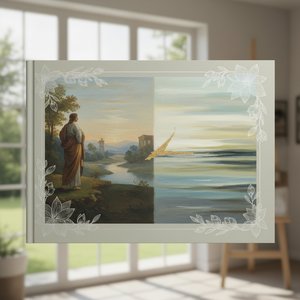
Serene Visions: Exploring Tranquility in Art History & Contemporary Practice
Explore the history of serene art & discover how landscape paintings evoke tranquility. From Shan Shui to Ukiyo-e, find artwork for a peaceful home at OriginalUniqueArt.

Pale Turquoise Masterpieces: 10 Famous Paintings & Their Serene Beauty | OriginalUniqueArt
Dive into serenity with 10 famous paintings dominated by pale turquoise! Explore Monet, Renoir & Van Gogh's masterpieces. Discover the stories behind these iconic artworks and find museum-quality art reproductions for your home at OriginalUniqueArt.com.
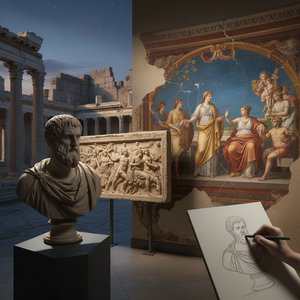
Echoes of Antiquity: Exploring Themes & Techniques in Classical Art Masterpieces
Explore the timeless beauty & profound themes of Classical art! Discover Greek & Roman masterpieces, Neoclassical revivals, and the enduring influence on artistic movements. Expert insights & high-quality reproductions at OriginalUniqueArt.

