

 設置イメージを確認
 送る
送る シェア
シェア
 詳細情報
詳細情報 ガイドを表示

 画像をダウンロード
 似ている作品
 X線調査
X線調査 スライドショー
 統計情報
統計情報Madonna and Child
 Acrylic On Canvas
- WallArt
- Early Renaissance
 1483
1483 81.0 x 60.0 cm
 メトロポリタン美術館
 続きを読む
続きを読む
ジークレー/アートプリント
スピーディーな制作と多彩な仕上げオプションが魅力の、ミュージアムクオリティなジークレー・キャンバスプリント。 ( 手描きの複製画を注文する デジタル画像販売へ切り替え)




P118B $10

P118H $10

P118W $10

P438Z $10

P508JH $12

P508YH $12

P805H $10

P805Z $10

P919BZ $10

P919G $10

P919XJ $10

P959ZH $10

P968JZ $12

W106C $8

W218G $10

W218JH $8

W218Y $10

W307PJ $10

W316G $10

W316PJ $8

W316Y $10

W398PJ $8

W4111J $10

W500HY $15

W500JH $15

W692G $12

W849H $8

W940BG $15

W953PJ $8




作品のオリジナル比率に合わせた、当店の規定サイズからお選びください。

特定のフレームやスペースに合わせて、ご自身でサイズを指定することも可能です。選択されたサイズが元の画像の比率と一致しない場合、作品をトリミングするか、鏡面反射または単色での塗りつぶしによって画像を拡張いたします。制作を開始する前に、ご確認用のデジタルモックアップをお送りいたします。
画面上のプレビューには、実際のトリミングや拡張は反映されませんのでご注意ください。最終的な構図を正確に確認できるのは、モックアップのみとなります。
カスタムサイズも承っておりますが、元の比率を維持するためには、あらかじめ用意されたリストからサイズを選択することをお勧めいたします。


 ガラスオプションは、110cm未満のサイズでのみご利用いただけます。

Madonna and Child
ジークレー/アートプリント
複製画サイズ一覧
-


合計金額
$ 80
A Renaissance Portrait of Devotion and Social Commentary
Filippino Lippi’s “Madonna and Child,” painted in 1483, is more than just a depiction of the Virgin Mary cradling her infant son; it's a meticulously crafted tableau vivant that offers a rare glimpse into the social fabric of late Renaissance Florence. The painting, now housed at OriginalUniqueArt.com as a stunning hand-painted reproduction, transports us to a contemporary Florentine palace – a space brimming with both opulent beauty and subtle, poignant details. It’s a scene carefully constructed to resonate with religious piety while simultaneously reflecting the realities of a city grappling with burgeoning wealth and the presence of marginalized populations.
The composition immediately draws the eye through the arched window, revealing an arcade adorned with the heraldic device of Filippo Strozzi, a prominent Florentine banker. This inclusion isn’t merely decorative; it subtly anchors the scene within the economic power structures of the time, reminding us that this intimate devotional image was created for and likely commissioned by someone deeply involved in mercantile affairs. The background landscape, evocative of the Strozzi villa's surroundings, further reinforces this connection to Florentine society and its aspirations.
The Unspoken Narrative: Enslaved People in a Renaissance Setting
However, the painting’s significance extends far beyond its immediate setting. A crucial element often overlooked is the presence of two figures rendered with remarkable detail – a Black man spearing fish on a bridge and a Black woman performing domestic tasks outside a house. These individuals, undeniably enslaved people from sub-Saharan Africa who had begun arriving in Florence through Portugal by this period, are not relegated to the periphery; they are fully integrated into the scene, acting as silent witnesses to the Virgin’s piety. This inclusion is profoundly significant and challenges conventional interpretations of Renaissance art, forcing us to confront the uncomfortable reality of slavery within a society often celebrated for its artistic achievements.
Lippi's decision to depict these figures with such realism – capturing their physicality, clothing, and activities – suggests a level of observation and empathy rarely seen in earlier depictions of marginalized groups. It’s a bold statement about the presence of inequality within Florence’s seemingly progressive environment, prompting viewers to consider the ethical implications of wealth and power.
Technique and Style: High Renaissance Refinement
The painting itself is executed with remarkable skill in the style of the High Renaissance. Lippi masterfully employs tempera and oil on wood, layering translucent glazes to create a luminous effect and imbue the figures with a sense of ethereal beauty. The Virgin Mary’s pose, reminiscent of Madonna and Child depictions throughout art history, is rendered with grace and serenity, while Christ’s youthful features convey an innocent charm. Note the careful attention to detail in the folds of her garments, the delicate rendering of his face, and the subtle play of light on their skin – hallmarks of Lippi's refined technique.
The book resting near the infant Jesus is a particularly intriguing element. It’s a deliberate inclusion that suggests an intimate moment of instruction or contemplation, further emphasizing the nurturing role of Mary and reinforcing the painting’s devotional purpose. The overall effect is one of harmonious balance – a carefully orchestrated composition that blends religious symbolism with social commentary.
A Window into History: Context and Legacy
Created in 1483, “Madonna and Child” offers a valuable window into the complexities of Renaissance Florence. It’s a painting that demands more than a cursory glance; it invites us to consider the social dynamics of the era, the ethical dilemmas surrounding slavery, and the artistic genius of Filippino Lippi. OriginalUniqueArt.com's hand-painted reproductions allow you to experience this remarkable artwork in exquisite detail, bringing its rich history and profound message to life. Explore our high-quality reproduction today and immerse yourself in a masterpiece that transcends time.
アーティストについて
フィリッピーノ・リッピの生涯と芸術的探求
1457年、イタリアのプラトで生まれたフィリッピーノ・リッピは、ルネサンス美術界に独自の輝きを放った画家です。父は名高い画家フラ・フィリッピーノ・リッピであり、非嫡子として誕生した彼の芸術への道は、幼少の頃から父の指導によって開かれました。父の影響を受けながらも、フィリッピーノは自身の才能を開花させ、初期ルネサンス様式から盛期ルネサンスへと移行する過渡期において重要な役割を果たしました。芸術的キャリアの発展
1475年から1480年頃にかけての初期の頃、フィリッピーノは主に聖母マリア像などの作品を手がけました。これらの初期作品は、まだ洗練されていない部分があり、「サンドロの友」という匿名の画家のもとに帰属されることもありました。しかし、1480年から1485年にかけて、彼はより個人的で効果的な表現方法を確立し始めます。『トビアスの旅』はその代表例であり、彼の才能が徐々に開花していく様子がうかがえます。そして、1485年から1504年までの成熟期には、『キリストの聖母への出現』に象徴されるように、盛期ルネサンス様式を完全に習得し、その卓越した技術と表現力を発揮しました。主要な作品と共同制作
フィリッピーノ・リッピは、ペルジーノ、ギルランダイオ、ボッティチェリといった同時代の画家たちと、ロレンツォ・デ・メディチの別荘におけるフレスコ画の制作に携わりました。また、マサッチョが未完のまま残したブロンキ教会礼拝堂の装飾をマゾリーノと共に完成させるという重要な任務も担いました。彼の代表的な作品としては、『聖母戴冠』、『トビアスと天使』、『聖ヒエロニモス』、『聖トマス・アクィナスの生涯より』などが挙げられます。これらの作品は、フィリッピーノの芸術的才能を今に伝える貴重な遺産となっています。影響と芸術様式
フィリッピーノの初期の芸術的影響源としては、サンドロ・ボッティチェリや父フラ・フィリッピーノ・リッピが挙げられます。彼の様式は、生き生きとしたフォルムと線、暖かく豊かな色彩、詳細に描き込まれた風景、そして表情豊かな人物描写を特徴としています。また、彼は遠近法の幾何学的な構造と親密な室内空間を巧みに融合させました。ローマ滞在中に古代の遺物を研究したことも彼の作品に影響を与え、古典的な要素を取り入れることで、より洗練された表現を実現しました。歴史的意義と遺産
フィリッピーノ・リッピは、フレスコ画サイクルの伝統を継承するフィレンツェを代表する画家の一人でした。彼の芸術は、盛期ルネサンスに多大な影響を与え、その功績は否定できません。彼の作品は世界中の美術館に所蔵されており、特にフィレンツェのウフィツィ美術館には多くの傑作が収蔵されています。彼は初期ルネサンス様式と、新たに台頭してきた盛期ルネサンス様式の橋渡し役となり、美術史において重要な位置を占めています。彼の作品は、見る者に深い感動を与え続け、今日でも多くの人々に愛されています。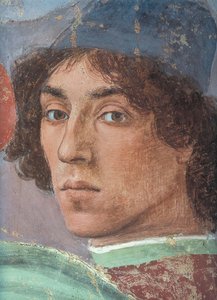
フィリッピーノ・リッピ
1457 - 1504 , イタリア
アーティスト情報
- Artistic Movement Or Style: 盛期ルネサンス
- Artists Or Movements Influenced By This Artist: ['ラファエリーノ・デル・ガルボ']
- Artists Who Influenced This Artist:
- フラ・フィリッピーノ・リッピ
- サンドロ・ボッティチェリ
- Date Of Birth: 1457年4月
- Date Of Death: 1504年4月
- Full Name: フィリッピーノ・リッピ
- Nationality: イタリア人
- Notable Artworks (List Of Titles):
- 聖母戴冠
- トビアスの旅
- 聖ヒエロニモ
- 聖トマス・アクィナスの生涯
- Place Of Birth (City And Country): プラト、イタリア
関連記事
Divine Love: A Curated Guide to the Most Iconic Madonna and Child Masterpieces in Art History
Embark on a sophisticated journey through art history with our curated guide to the most iconic Madonna and Child masterpieces. Discover the profound beauty, theological depth, and enduring legacy of these sacred Renaissance treasures.
Filippo Lippi: Bridging Renaissance Devotion & Artistic Innovation
Explore the life & revolutionary art of Filippo Lippi, a pivotal Renaissance painter. Discover his masterpieces, influence on Botticelli, and investment potential. Expert analysis at OriginalUniqueArt.
ラファエロ傑作25選:ルネサンス巨匠の物語と芸術の世界 | OriginalUniqueArt
ラファエロの傑作25選🎨 ルネサンス巨匠の物語と芸術の世界を紐解きます。美しい絵画複製や壁掛けアートで、お部屋に名画の彩りを。OriginalUniqueArt.comで、美術史に残る作品群をご覧ください✨
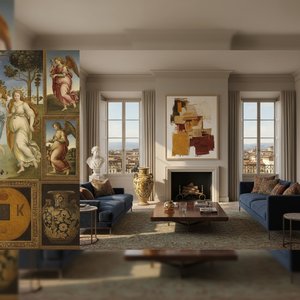
ウフィツィ美術館の至宝25選:ルネサンス巨匠たちの傑作とアートデコレーション
ウフィツィ美術館の至宝25選:ボッティチェリ、レオナルド・ダ・ヴィンチ…ルネサンス巨匠たちの傑作と感動的な物語を紐解きます。高品質な絵画複製やアートプリントで、お部屋に名画の輝きを。OriginalUniqueArt.comで芸術の世界へ。

Filippino Lippi: Renaissance Innovation Bridging Faith & Humanism
Explore the captivating world of Filippino Lippi, a Renaissance master bridging faith & humanism through innovative art. Discover his key works, influences, and lasting legacy with OriginalUniqueArt.