

 設置イメージを確認
 送る
送る シェア
シェア
 詳細情報
詳細情報 ガイドを表示

 画像をダウンロード
 似ている作品
 X線調査
X線調査 スライドショー
 Q&A
Q&A 統計情報
統計情報Ethnographic drawing -
 Ink On Paper
- Ethnographic Drawing
 1900
1900- 19th Century
 61.0 x 43.0 cm
 National Museum of Ethnology
 続きを読む
続きを読む
このページに掲載されている作品は著作権法によって保護されており、当社の許可なく同一の複製物を制作または販売することは法律で禁じられています。この保護は、以下のような国際条約に基づき執行されます。 ベルヌ条約 および、以下の条項に定められたものを含む各国の法律により、 米国著作権法 第17編。
この手法は、著作権で保護された作品の複製や複写を伴わないため、著作権法に完全に準拠しています。これは単なる模倣ではなく、創造的な再解釈です。元の作品からインスピレーションを受けつつも、それとは異なる、全く新しい絵画を生み出すものです。
ジークレー/アートプリント
スピーディーな制作と多彩な仕上げオプションが魅力の、ミュージアムクオリティなジークレー・キャンバスプリント。 ( 手描きの複製画を注文する デジタル画像販売へ切り替え)




P118B ¥10

P118H ¥10

P118W ¥10

P438Z ¥10

P508JH ¥12

P508YH ¥12

P805H ¥10

P805Z ¥10

P919BZ ¥10

P919G ¥10

P919XJ ¥10

P959ZH ¥10

P968JZ ¥12

W106C ¥8

W218G ¥10

W218JH ¥8

W218Y ¥10

W307PJ ¥10

W316G ¥10

W316PJ ¥8

W316Y ¥10

W398PJ ¥8

W4111J ¥10

W500HY ¥15

W500JH ¥15

W692G ¥12

W849H ¥8

W940BG ¥15

W953PJ ¥8




作品のオリジナル比率に合わせた、当店の規定サイズからお選びください。

額縁や壁のスペースに合わせて、ご希望の幅と高さを入力してください。プリントはカットすることは可能ですが、元の画像より大きくすることはできないため、異なる比率のサイズを選択された場合は、画像の一部が欠けることになります。印刷を開始する前に、内容を確認していただくためのデジタルモックアップをお送りいたします。このページに表示されている画像は、実際のカット後の状態を示すものではありません。実際の仕上がりはモックアップにてご確認ください。


 ガラスオプションは、110cm未満のサイズでのみご利用いただけます。

Ethnographic drawing -
ジークレー/アートプリント
複製画サイズ一覧
-


合計金額
¥ 12633
A Silent Symphony in Ink
In the delicate intersection of scientific observation and artistic mastery lies Fernando Barbedo Galhano’s 1900 ethnographic drawing of the ‘gabo.’ This monochrome masterpiece serves as more than a mere illustration; it is a profound window into a vanishing world. The subject, a gourd lute from South America, is captured with such meticulous precision that one can almost feel the organic texture of the dried gourd and the tension of the strings. Rendered in grayscale tones against a soft, cream-colored backdrop, the composition possesses a quiet, meditative stillness. Every line serves a purpose, tracing the contours of this indigenous instrument with a reverence that transcends simple documentation, inviting the viewer to contemplate the rhythmic soul of a culture through the silent medium of pen and ink.
The technique employed by Galhano is a testament to the rigorous discipline of early 20th-century ethnographic illustration. Utilizing fine-point pen and ink, the artist achieves a remarkable sense of depth and three-dimensionality through sophisticated hatching and varying line weights. There is a rhythmic quality to the linework that mimics the very music the gabo was designed to produce. The lighting is soft and diffuse, eschewing dramatic shadows in favor of an even, honest illumination that celebrates the structural integrity of the instrument. This realistic, observational style allows the geometric precision of the neck and strings to harmonize with the organic, rounded forms of the gourd, creating a balanced visual experience that is both intellectually stimulating and aesthetically soothing.
For the discerning collector or interior designer, this piece offers a sophisticated touch of historical elegance. Its neutral palette and fine-line detail make it an incredibly versatile addition to a curated space, capable of anchoring a room with its scholarly weight while blending seamlessly into modern, minimalist, or classical settings. Beyond its decorative value, the drawing carries an emotional resonance—a poignant reminder of our shared human heritage and the importance of preserving cultural artifacts. Owning a reproduction of this work is not merely about acquiring art; it is about hosting a piece of history that celebrates the beauty of human ingenuity and the enduring power of ethnographic storytelling.
よくあるご質問
「Ethnographic drawing -」の作者であるフェルナンド・バルベルド・ガルハノには、他に知られている名前はありますか?
フェルナンド・バルベルド・ガルハノは、フェルナンド・ガルハノ, Fernando Barbedo Galhanoという別名でも知られています。
「Ethnographic drawing -」の作者と制作年は?
フェルナンド・バルベルド・ガルハノによる「Ethnographic drawing -」は、1900年に制作されました。
「Ethnographic drawing -」は何を描いた作品で、どのような雰囲気を持っていますか?
「Ethnographic drawing -」にはindigenous instruments, south american culture, ethnographic art, musical instrument, 1900s illustration, cultural heritage, traditional craftsmanshipが描かれており、その情緒はNostalgicと表現されています。
アーティストについて
フェルナンド・バルベド・ガリャーノ、このポルトガル人芸術家は、美術と民族学の世界に消えることのない足跡を残しました。1904年にポルトで生まれ、1995年にその生涯を閉じたガリャーノの人生は、画家、研究者、イラストレーター、そして民族学者としての多才な才能を証明するものでした。
幼少期と教育
ガリャーノの芸術的な旅路は、ポルトにおいて巨匠アルトゥール・ロウレイロの指導を受けることから始まりました。この基礎的な訓練は、彼の絵画技術を研ぎ澄ませただけでなく、ポルトガルという国の文化的な機微に対する深い敬愛の念を彼の中に植え付けました。1937年、1943年、19デックス46年、1951年、そして1954年に開催されたサロン・シルヴァ・ポルト展への参加は、ポルトガルの芸術界における彼の存在をより確固たるものにしました。
民族学への貢献
1948年、彼は「イベリア半島民族学研究センター」の一員として、ジョルジュ・ディアス、エルネスト・ヴェイガ・デ・オリヴェイラ、ベンジャミン・ペレイラといった著名な人物たちと協力しました。この活動は彼のキャリアにおける重要な節目となり、当時の屈指の民族学的イラストレーターとしての地位を確立させました。彼の作品は極めて幅広いテーマを網羅しており、その筆致には以下のような情景が息づいています。
- 牛車:ポルトガルの伝統的な輸送手段の証として。
- 民衆建築:ポルトガルにおける風土建築の本質を記録しています。 ប
- 農具:この国の農業景観を形作ってきた道具たちに光を当てています。
- 輸送システム、籠細工、陶器、テキスタイル技術、そして製粉システム:ポルトガルの多様な文化的慣習を包括的に描き出しています。
- 漁業:ポルトガルの海洋文化の真髄を捉えています。
遺産と影響
ガリャーノが遺したレガシーは、彼自身の時代を遥かに超えて広がっています。リスボンの国立民族学博物館の創設者の一人として、彼はポルトガルの文化的遺産を保存する上で極めて重要な役割を果たしました。彼の数千に及ぶドローイングは、ポルトガル文化の様々な側面を記録しているだけでなく、かつての植民地へと繋がる窓としての役割も果たしています。
- ガリャーノの作品は、研究者にとっても芸術愛好家にとっても宝の山であり、ポルトガル人の生活の複雑な機微を垣間見せてくれます。
- 民族学への彼の貢献は世界的に認められており、彼がこの時代で最も影響力のある芸術家の一人であることを決定づけました。
- ガリャントの遺志は、今なお新しい世代の芸術家、研究者、そして民族学者たちにインスピレーションを与え続けています。
結論
フェルナンド・バルベド・ガリャーノの生涯は、芸術、研究、そして民族学が織りなす豊かなタペストリーでした。その作品を通じて、彼は美術界に消えない刻印を残し、彼の足跡を辿る人々に光を与え続けています。
- ガリャーノのさらなる作品についてはこちらをご覧ください:https://OriginalUniqueArt.com/@/fernando-barbedo-galhano
- リスボンの国立民族学博物館とその創設の物語をこちらで発見してください:https://OriginalUniqueArt.com/@@/museu-nacional-de-etnologia-lisbon-portugal
- 民族学的イラストレーションとその芸術界における重要性について詳しく知る:https://en.wikipedia.org/wiki/ethnographic_illustration
参考文献
- フェルナンド・バルベド・ガリャーノ、Wikipedia。
- 国立民族学博物館、リスボン、ポルトガル - https://OriginalUniqueArt.com/@@/museu-nacional-de-etnologia-lisbon-portugal
- イベリア半島民族学研究センター、ポルトガル - https://OriginalUniqueArt.com/@/centro-de-estudos-de-etnografia-peninsular
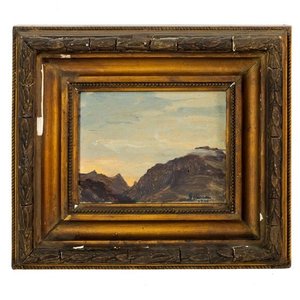
フェルナンド・バルベルド・ガルハノ
1904 - 1995 , ポルトガル
関連記事

The Enduring Power of Line: Exploring Themes & Techniques in Drawing Across Art History
Explore the rich history of drawing! Discover key techniques like linear perspective & iconic artists from the Renaissance to modern times. Enhance your art appreciation with OriginalUniqueArt.

Mastering the Line: A Comprehensive Expert Guide to Technical Precision and Expressive Depth in Drawing
Elevate your artistic practice with this expert guide to mastering the line. Discover advanced techniques in graphite, charcoal, and contour drawing designed for art students seeking technical precision and expressive depth in their fine art studies.
The Power of Graphite: Mastering Depth, Texture, and Detail in the Art of Pencil Drawing
Explore the profound artistry of graphite drawing. Discover professional techniques for mastering depth, texture, and detail through a lens of art history, from classical sketches to modern masterpieces. Elevate your understanding of the pencil medium with our expert guide.
The Nuances of Graphite: Exploring Emotional Depth & Technical Mastery in Pencil Drawing
Explore the captivating world of graphite drawing! Discover its rich history, master essential techniques like chiaroscuro, and learn how artists evoke emotion through this timeless medium. Expert insights for art enthusiasts.
Frederick Bridgman: Anatomical Mastery & the Evolution of Figure Drawing Instruction
Explore the anatomical mastery of George B. Bridgman & his revolutionary figure drawing techniques. Discover how his methods transformed art instruction and continue to inspire artists today. Learn more at OriginalUniqueArt.