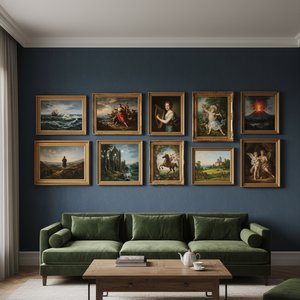
設置イメージを確認
 送る
送る シェア
シェア
 詳細情報
詳細情報 ガイドを表示

 画像をダウンロード
 似ている作品
 X線調査
X線調査 スライドショー
 統計情報
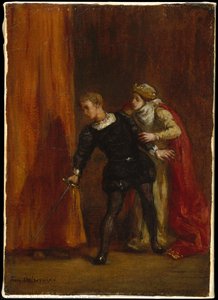
統計情報Selim and Zuleika
 Oil On Canvas
- WallArt
- Romanticism
 1857
1857 47.0 x 40.0 cm
 Kimbell Art Museum
 続きを読む
続きを読む
ジークレー/アートプリント
スピーディーな制作と多彩な仕上げオプションが魅力の、ミュージアムクオリティなジークレー・キャンバスプリント。 ( 手描きの複製画を注文する デジタル画像販売へ切り替え)




P118B $10

P118H $10

P118W $10

P438Z $10

P508JH $12

P508YH $12

P805H $10

P805Z $10

P919BZ $10

P919G $10

P919XJ $10

P959ZH $10

P968JZ $12

W106C $8

W218G $10

W218JH $8

W218Y $10

W307PJ $10

W316G $10

W316PJ $8

W316Y $10

W398PJ $8

W4111J $10

W500HY $15

W500JH $15

W692G $12

W849H $8

W940BG $15

W953PJ $8




作品のオリジナル比率に合わせた、当店の規定サイズからお選びください。

特定のフレームやスペースに合わせて、ご自身でサイズを指定することも可能です。選択されたサイズが元の画像の比率と一致しない場合、作品をトリミングするか、鏡面反射または単色での塗りつぶしによって画像を拡張いたします。制作を開始する前に、ご確認用のデジタルモックアップをお送りいたします。
画面上のプレビューには、実際のトリミングや拡張は反映されませんのでご注意ください。最終的な構図を正確に確認できるのは、モックアップのみとなります。
カスタムサイズも承っておりますが、元の比率を維持するためには、あらかじめ用意されたリストからサイズを選択することをお勧めいたします。


 ガラスオプションは、110cm未満のサイズでのみご利用いただけます。

Selim and Zuleika
ジークレー/アートプリント
複製画サイズ一覧
-


合計金額
$ 80
Selim and Zuleika: A Tragedy Painted in Fire
Eugène Delacroix’s “Selim and Zuleika” isn't merely a painting; it’s a visceral plunge into the heart of Romantic drama, a testament to the consuming power of love and loss. Completed in 1857, this monumental canvas—measuring a commanding 47 x 40 centimeters—holds court within the hallowed halls of the Kimbell Art Museum in Fort Worth, a space that seems almost too restrained for such an eruption of emotion. The scene unfolds against the stark backdrop of the Dardanelles coastline in Turkey, inspired by Lord Byron’s haunting poem “The Bride of Abydos,” a tale of forbidden passion and fatal consequence. Delacroix, deeply moved by Byron's narrative, meticulously translated its tragic core onto canvas, imbuing it with his signature blend of vibrant color, dynamic movement, and profound psychological depth.
At first glance, the composition is dominated by a swirling vortex of action and impending doom. Selim, a dashing pirate captain, stands poised to deliver a fatal blow to his beloved Zuleika, her face contorted in a desperate attempt to restrain him. The figures are caught in a maelstrom of crimson and ochre – Delacroix’s masterful use of color isn't merely decorative; it amplifies the painting’s dramatic intensity. Notice how the deep reds of Selim’s cloak and the blood-soaked ground contrast sharply with the cool blues and greens of the sea, creating a visual representation of the impending tragedy. The lighting is theatrical, almost Caravaggesque, casting long, dramatic shadows that heighten the sense of urgency and foreboding. Delacroix deliberately eschewed the smooth, polished surfaces favored by Neoclassical painters, opting instead for loose brushstrokes and visible texture—a technique that lends the scene a palpable sense of immediacy and raw emotion.
The Poetics of Loss and Desire
The story itself is steeped in symbolism. Zuleika, daughter of Pasha Giaffir, flees her arranged marriage to escape a life of servitude and finds solace in Selim’s passionate embrace. Their love is doomed from the outset, a collision between duty and desire, tradition and rebellion. The painting captures this inherent conflict with breathtaking precision. The torches held aloft by Giaffir's men aren't simply symbols of pursuit; they represent the oppressive forces of societal expectation and patriarchal control that threaten to extinguish Zuleika’s freedom and Selim’s happiness. The positioning of the figures—Selim dominating, Zuleika struggling—reflects the power dynamics at play within their relationship and within the broader social context.
Delacroix wasn't simply depicting a historical event; he was exploring universal themes of love, betrayal, and sacrifice. The painting’s emotional resonance stems from its ability to tap into our own experiences of longing, regret, and the bittersweet nature of human relationships. The desperate plea in Zuleika’s eyes, her outstretched hand reaching for Selim—these are not merely gestures; they are embodiments of a love that is both incandescent and tragically doomed. The inclusion of the approaching figures, rendered with a sense of impending violence, underscores the inevitability of their fate.
A Masterpiece of Romantic Intensity
“Selim and Zuleika” stands as a cornerstone of the Romantic movement, embodying its core tenets: an emphasis on emotion, imagination, and individualism. Delacroix’s bold use of color, dramatic composition, and expressive brushwork created a visual language that was both revolutionary and deeply affecting. The painting's influence can be seen in countless works of art that followed, shaping the course of Western painting for generations to come.
Beyond its artistic merit, “Selim and Zuleika” offers a poignant meditation on human nature—on our capacity for both extraordinary love and devastating loss. It’s a reminder that even in the face of overwhelming odds, passion can burn brightly, but ultimately, it may be consumed by fate. Reproductions of this powerful work continue to captivate viewers with its raw emotion and timeless drama, solidifying Delacroix's legacy as one of history’s greatest artists.
Technical Details & Historical Context
Painted in 1857, “Selim and Zuleika” represents a culmination of Delacroix’s artistic explorations. Following his travels to North Africa, particularly Morocco, where he was deeply influenced by the vibrant colors and exotic cultures, Delacroix returned to Paris with a renewed sense of purpose and a desire to translate these experiences onto canvas. The painting is executed in oil on canvas, utilizing a technique known as *alla prima*, meaning “at first sight,” which allowed for rapid brushwork and spontaneous expression. Delacroix’s meticulous attention to detail—particularly in the rendering of fabric textures and the depiction of light and shadow—is evident throughout the work.
The painting's creation coincided with a period of significant political and social upheaval in France, following the fall of Napoleon III and the establishment of the Second Republic. Delacroix’s art often reflected these turbulent times, grappling with themes of revolution, sacrifice, and national identity. “Selim and Zuleika,” with its depiction of forbidden love and tragic consequences, can be interpreted as a commentary on the dangers of unchecked passion and the destructive forces of social constraint.
Resources & Further Exploration
For further insights into Delacroix’s life and work, we recommend exploring these resources:
- Kimbell Art Museum: Selim and Zuleika
- Wikipedia - Eugène Delacroix: https://en.wikipedia.org/wiki/Eug%C3%A8ne_Delacroix
- Artvee: https://artvee.com/dl/selim-and-zuleika/
Discover more about Delacroix’s artistic journey and the captivating story behind “Selim and Zuleika” through these valuable resources.
アーティストについて
激動の筆: Eugène Delacroix の生涯と遺産
1798年、パリ近郊のシャルトン=サン=モーリスに生まれたフェルディナン・ヴィクトル・ウジェーヌ・ドラクロワは、単なる画家ではありませんでした。彼はロマン主義の激しい精神を体現した人物でした。社会の動乱と美的理想の変化期にフランス美術界を席巻し、新古典主義の厳格な形式主義を拒否し、ドラマ、感情、そして絵画の流れを変える鮮やかな色彩を受け入れました。彼の人生は、個人的な悲劇に彩られながらも、崇高さを捉え、異国情緒あふれる世界を探求し、人間の経験の生の力を表現するという芸術的ビジョンと不可分に結びついていました。
ドラクロワの幼少期は、複雑な家族関係とやや虚弱な健康状態によって形作られました。16歳で孤児となり、多くの人々が真の父であると考えたシャルル=モーリス・タレーラン=ペリゴールの指導を受けました。この繋がりは、彼にとって重要なパトロンシップとパリのアート界へのアクセスをもたらしました。当初、彼は尊敬されるアカデミックな画家ピエール=ナルシス・ゲランのもとで学びましたが、テオドール・ジェリコーの作品—特に彼の壮大な『メデューサ号の筏』—が、ドラクロワの芸術的情熱を真に燃え上がらせました。彼はジェリコーのためにポーズをとることさえあり、その先輩画家のリアリズムと感情的な強度への献身を吸収しました。
歴史的場面から異国情緒あふれるビジョンへ
ドラクロワは1822年、サロンに『ダンテとウェルギリウスの地獄』を発表し、一躍脚光を浴びました。この作品は、彼の既成概念からの脱却を明確に示すものでした。ダンテ・アリギエーリの『神曲』からインスピレーションを得たこの絵画は、大胆な色彩使い、ダイナミックな構図、そして強烈な心理的緊張感を特徴としていました。これは、情熱、葛藤、人間の条件を探求することに生涯を捧げるキャリアの始まりとなりました。当初、彼の作品は賛否両論ありましたが—批評家の中には独創性を称賛する者もいれば、混沌としており古典的な洗練さに欠けていると批判する者もいました—ドラクロワは粘り強く、緩やかな筆致、豊かな質感、そして動きの強調を特徴とする独自のスタイルを発展させました。
彼の関心は歴史的・文学的な主題にとどまりませんでした。1832年の北アフリカへの画期的な旅は、彼の芸術的軌跡に大きな影響を与えました。モロッコの活気に満ちた文化に没頭したドラクロワは、異国情緒あふれる風景、アラブ遊牧民のライフスタイル、そして彼らの伝統の強烈さに魅了されました。『アラブの馬たちの闘い』やアルジェリアの生活に関する数多くのスケッチに見られるように、この経験は彼の絵画に新たな色彩、光、エネルギーをもたらしました。彼は単にこれらの場面を記録していたのではなく、自分とは大きく異なる文化の根底にある精神を理解しようとしていました。
色彩の力と政治的関与
ドラクロワの色彩に対する習熟は、彼が残した最も永続的な遺産であると言えるでしょう。彼はルーベンスのバロック調の華やかさとヴェネツィア・ルネサンスの巨匠たちからインスピレーションを得て、正確な描写よりも色相の強度を優先しました。彼は色彩が感情を喚起し、雰囲気を創造し、線だけでは伝えられない意味を伝えることができることを理解していました。この革新的なアプローチは、後の世代の芸術家に大きな影響を与え、印象派とポスト印象派への道を開きました。
彼の美的革新に加えて、ドラクロワは政治的に積極的に活動するアーティストでした。彼の最も象徴的な作品である『民衆を導く自由の女神』(1830年)は、単なる7月革命の描写ではありません。それは自由と反乱のための力強い寓意です。この絵画のダイナミックな構図、寓意的な人物、そして生の感情的な力は、フランス国民的アイデンティティと革命的な理想の象徴として芸術史における確固たる地位を確立しました。これは単なる出来事を記録したものではなく、自由のために戦う国の精神をとらえたものでした。
永続する影響
ドラクロワは生涯にわたって精力的に絵画を描き続け、シェイクスピアの悲劇から聖書の物語まで、多様なテーマを探求しました。彼はウィリアム・スコットやヨハン・ヴォルフガング・フォン・ゲーテなどの文学的巨匠の作品を版画で表現することにも貢献しました。彼のスタジオは芸術的な交流の中心となり、彼の型破りなアプローチに惹かれた意欲的な画家たちを引き寄せました。
1863年に彼が亡くなったとき、ドラクロワはフランスの偉大な芸術家の一人として確固たる地位を築いていました。彼の影響力はロマン主義運動を超えて広がり、近代絵画の発展を形作り、大胆な色彩使い、ダイナミックな構図、そして感情的な表現への揺るぎない献身によって数えきれないほどの芸術家たちにインスピレーションを与えました。彼は今もなお、個人のビジョンの力と崇高さの永続する魅力を証明する存在です。

ウジェーヌ・ドラクロワ
1798 - 1863 , フランス
アーティスト情報
- Artistic Movement Or Style: ロマン主義
- Artists Or Movements Influenced By This Artist:
- 印象主義
- ポスト印象主義
- Artists Who Influenced This Artist:
- ルーベンス
- ヴェネツィア派画家
- Date Of Birth: 1798年4月26日
- Date Of Death: 1863年8月13日
- Full Name: ウジェーヌ・ドラクロワ
- Nationality: フランス人
- Notable Artworks (List Of Titles):
- 民衆を導く自由の女神
- サルダナパルの死
- アラブの馬の闘い
- Place Of Birth (City And Country): シャントネイ、フランス
関連記事

Ferdinand Delacroix: Romanticism's Revolutionary Brush – A Study of Passion, Politics, and Painterly Innovation
Explore the revolutionary art of Eugène Delacroix, leader of French Romanticism. Discover his masterful use of color, political engagement, and lasting influence on modern painting. Learn about key works & history.

Anne-Louis Girodet: Bridging Neoclassicism & Romanticism with Emotional Truth
Explore the captivating world of Anne-Louis Girodet, a pivotal figure bridging Neoclassicism & Romanticism. Discover his masterpieces and unique artistic vision with OriginalUniqueArt.
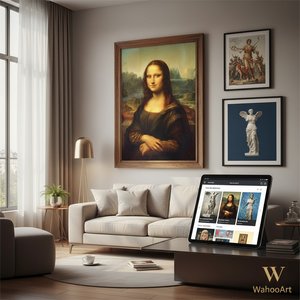
ルーブル美術館の至宝25選:名画と芸術史を巡る旅 | OriginalUniqueArt
ルーブル美術館の至宝25選。レオナルド・ダ・ヴィンチ、ミロのヴィーナス…名画の歴史と感動を紐解きます。複製画やインテリアアートも豊富に。OriginalUniqueArtで、あなただけの芸術空間を。
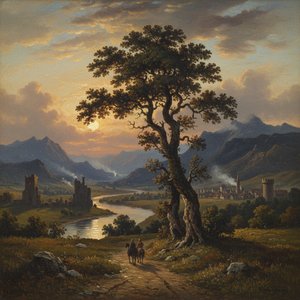
Paul Huet: Capturing the Essence of French Romanticism Through Light and Landscape
Explore the captivating world of Paul Huet (1803-1869), a master of French Romantic landscape painting. Discover his influence on Barbizon & Impressionism, and browse high-quality reproductions at OriginalUniqueArt.
ロマン主義を彩る至宝:時代を象徴する10大名作の世界
ロマン主義を代表する10大名作を紐解く!ドラクロワ、ルーベンスなど巨匠たちの情熱と色彩が息づく世界。時代を超えて愛される傑作の物語を深く探求し、お部屋に彩りを添える高品質なアートプリントを見つけましょう。OriginalUniqueArt.comで全ての作品を発見してください。