プリント版に切り替え
 続きを読む
続きを読む







































 いずれかの辺が105 cm(約41インチ)を超えるアートワークまたは複製画の場合、フレームは分解されたキットの状態でお届けいたします。この方法は、輸送中の破損を防ぎ、安全に配送するために採用しております。


Moroccan Chieftain Receiving Tribute: A Romantic Vision of Exotic Splendor
Eugène Delacroix’s “Moroccan Chieftain Receiving Tribute” stands as a cornerstone of French Romanticism, capturing not merely a scene from North Africa but an entire ethos—a fervent embrace of the sublime and a profound fascination with cultures far removed from Parisian sensibilities. Painted in 1837 during his ambitious expedition to Morocco alongside the diplomatic mission led by Comte de Mornay, this monumental oil on canvas transcends mere depiction; it strives for emotional resonance and intellectual stimulation.
- Subject Matter: The painting portrays a chieftain accepting tribute from his people amidst an opulent courtyard. Figures are arranged with careful consideration, emphasizing hierarchy and respect—a deliberate contrast to the idealized forms favored by Neoclassical artists like Ingres.
- Style & Technique: Delacroix’s signature style is immediately recognizable through its dynamic brushstrokes and vibrant color palette. He eschewed meticulous detail in favor of expressive gestures and luminous hues, channeling the influence of Rubens and Venetian Renaissance painters who prioritized emotional impact over precise representation. The artist skillfully utilizes chiaroscuro—the dramatic interplay of light and shadow—to heighten the sense of grandeur and create a palpable atmosphere.
- Historical Context: Delacroix’s journey to Morocco coincided with France's attempt to negotiate a peace treaty with the Sultanate, driven by concerns about Algerian stability. This expedition fueled his artistic imagination and solidified his commitment to portraying exotic landscapes and cultures with uncompromising honesty. The painting reflects the Romantic preoccupation with capturing fleeting moments of intense emotion and confronting the grandeur of nature.
- Symbolism: Beyond its visual splendor, “Moroccan Chieftain Receiving Tribute” carries symbolic weight. The chieftain’s posture embodies authority and leadership, while the goats represent fertility and prosperity—elements integral to Moroccan culture. Delacroix's deliberate inclusion of these symbols underscores his desire to convey a deeper understanding of the subject matter than mere surface observation.
Delacroix’s masterful composition directs the viewer’s gaze towards the central figure, reinforcing his dominance and highlighting the solemn occasion. The artist’s meticulous attention to detail—particularly in capturing the textures of fabrics and skin tones—demonstrates his technical prowess. Furthermore, the painting's emotional intensity speaks to the Romantic impulse to explore the depths of human experience and confront existential questions.
To appreciate the full significance of “Moroccan Chieftain Receiving Tribute,” consider its place within Delacroix’s broader oeuvre—particularly alongside works like “Liberty Leading the People” and “Christ on the Cross.” These paintings exemplify his unwavering dedication to conveying emotion through color and form, cementing his legacy as one of the most influential artists of the Romantic era. Explore more about Delacroix's artistic journey at OriginalUniqueArt.
よくあるご質問
ウジェーヌ・ドラクロワ作「Moroccan Chieftain Receiving Tribute」のコントラストはどの程度ですか?
ウジェーヌ・ドラクロワ作「Moroccan Chieftain Receiving Tribute」は、明部と暗部の間にStatementなコントラストを描き出しています。
「Moroccan Chieftain Receiving Tribute」のダウンロードは可能ですか?
ウジェーヌ・ドラクロワ作「Moroccan Chieftain Receiving Tribute」は、作品のダウンロードページから高解像度デジタル画像のダウンロードとしてダウンロードいただけます。
「Moroccan Chieftain Receiving Tribute」の作者と、その画風について教えてください。
ウジェーヌ・ドラクロワは、Romanticismのムーブメントの中で「Moroccan Chieftain Receiving Tribute」を制作しました。
More about this painting
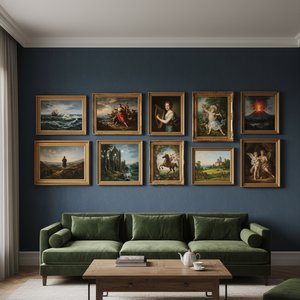
 設置イメージを確認
 送る
送る シェア
シェア
 詳細情報
詳細情報 ガイドを表示

 画像をダウンロード
 似ている作品
 X線調査
X線調査 スライドショー
 Q&A
Q&A 統計情報
統計情報