

 設置イメージを確認
 送る
送る シェア
シェア
 詳細情報
詳細情報 ガイドを表示

 画像をダウンロード
 似ている作品
 X線調査
X線調査 スライドショー
 統計情報
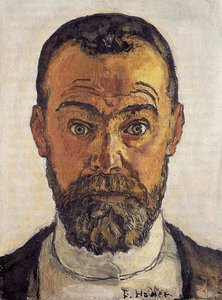
統計情報Figure study
 Acrylic On Canvas
- WallArt
- Swiss Symbolism
 1887
1887 30.0 x 19.0 cm
 ボスニア・ヘルツェゴビナ国立美術館
 続きを読む
続きを読む
オンラインプレビューをはるかに凌ぐ、高解像度で鮮明なデジタル画像をご購入いただけます。
各ファイルは、社内の専門家が高度なツールと熟練した手作業によるレタッチを駆使し、細心の注意を払って仕上げています。すべての画像において、卓越した鮮明度、正確な色彩再現性、そして繊細なディテールをお約束いたします。
最終ファイルは、プロフェッショナルな編集・印刷環境ですぐにご利用いただけるよう最適化された状態で、72時間以内にメールにてお届けいたします。これは、一流のデザインスタジオ、出版社、ギャラリーから信頼されているものと同等の品質です。
デジタル画像
個人での鑑賞、印刷、クリエイティブなプロジェクトにご利用いただける高解像度ファイルをダウンロードできます。 ( プリント版に切り替え 手描きの複製画を注文する)
デジタル画像のご注文に付随する特典
プロフェッショナルなデジタル配信を、確かな品質で。
OriginalUniqueArt.com を選ぶことは、単に画像を手に入れることではありません。プロの手によって精密に仕上げられ、満足保証が付いた高品質なデジタルアートワークを受け取ることを意味します。ご注文いただいた際に自動的に付随する内容は、以下の通りです:

メールですぐにお届け
ご注文から72時間以内に、高解像度のデジタル画像ファイルをメールでお送りいたします。お手元に届き次第、すぐにご利用いただけます。

AI技術で最適化されたデジタルファイル
お客様の作品は、高度なAI技術と専門家による手作業を組み合わせてプロフェッショナルに最適化されており、細部のディテール、鮮明さ、そして正確な色再現性を最大限に引き出しています。

一生涯無料の再送サービス
ファイルを誤って削除したり、紛失してしまったりしましたか?ご安心ください。いつでも無料で再送いたします。

輸入手数料は、いつでも一切かかりません
関税や手数料、配送料を気にすることなく、お気に入りのアートワークをすぐにお楽しみいただけます。デジタルダウンロードは常に免税です。

正確な色彩の保証
プロ仕様のツールとカラーマネジメント技術を用いることで、デジタル画像が元の色を最大限に忠実に再現することを保証いたします。

100日間満足保証
ご購入いただいたデジタル画像にご満足いただけない場合は、100日以内であれば、理由を問わず修正または100%の返金対応をさせていただきます。

100% 返金保証
ご満足いただけない場合は、デジタルファイルを受け取ってから100日以内であれば、理由を問わず全額返金いたします。

まとめ買い割引
3枚購入で10%OFF、5枚購入で15%OFF、10枚以上のご購入で20%OFF。クリエイティブなプロジェクトやギャラリー、エージェンシーに最適です。
Ferdinand Hodler: Echoes of Loss in ‘Figure Study’
Ferdinand Hodler's 1901 ‘Figure Study’, executed with meticulous pencil strokes, transcends mere representation; it embodies the profound influence of personal tragedy on artistic vision. This evocative sketch captures a man seated on a bench, hands clasped behind him—a posture that speaks volumes about contemplation and introspection, mirroring Hodler’s own preoccupation with mortality following the untimely deaths of his father and brothers.
- Subject Matter: The artwork focuses on a solitary figure, rendered in profile, conveying a sense of quiet solitude.
- Style: Hodler's signature Symbolist style is evident in the muted tonal palette—primarily shades of grey and brown—which eschews vibrant color for emotional resonance. This deliberate choice aligns with the broader Symbolist movement’s rejection of realism in favor of conveying inner psychological states.
- Technique: Hodler employed a technique known as ‘parallelism,’ where he layered multiple pencil strokes to achieve tonal gradations and textural depth—a method championed by Pont-Aven School artists like Cézanne and Gauguin, reflecting Hodler’s fascination with Impressionistic principles.
The historical context of ‘Figure Study’ is inextricably linked to the burgeoning Symbolist movement in Switzerland during the early 20th century—a period marked by intellectual ferment and a desire to grapple with existential questions. Hodler sought to express not just what he saw but what he felt—the lingering pain of loss and the inescapable awareness of human vulnerability.
Symbolism: The seated posture itself symbolizes stillness, reflection, and acceptance – themes central to Hodler’s artistic exploration of grief and remembrance. The subtle shading contributes to an atmosphere of melancholy, inviting viewers to contemplate the complexities of human experience beyond superficial appearances.
Emotional Impact: ‘Figure Study’ possesses a remarkable ability to evoke empathy and introspection. Its understated beauty compels contemplation on themes of mortality, solitude, and inner resilience—qualities that resonate deeply with audiences seeking artistic works capable of conveying profound emotional truths. Hodler's masterful execution ensures that this poignant image continues to captivate viewers generations later.
Exploring Hodler’s Parallelism Technique
Hodler’s innovative ‘parallelism’ technique distinguishes him from Impressionists and elevates his drawings beyond mere visual depiction. By applying multiple pencil strokes simultaneously—often overlapping—he achieves remarkable tonal control, creating nuanced gradations of light and shadow that imbue the image with palpable atmosphere.
- Layering Strokes: Hodler meticulously builds up tonal values through successive layers of graphite, ensuring a harmonious blend of hues.
- Texture Creation: The technique generates subtle textural variations—particularly noticeable in areas of shading—enhancing the visual richness and depth of the artwork.
- Emotional Resonance: This meticulous process underscores Hodler’s commitment to conveying emotion through form and color, mirroring the expressive aims of Symbolist painters.
Hodler's Influence on Swiss Landscape Painting
Despite his focus on figure studies, Hodler profoundly impacted the landscape painting tradition in Switzerland. His exploration of tonal harmony—inspired by Cézanne’s groundbreaking approach—established a new aesthetic standard that prioritized emotional depth over photographic accuracy.
- Color Palette: Hodler favored muted hues—primarily browns and greys—creating landscapes imbued with melancholic beauty.
- Atmospheric Perspective: He skillfully employed atmospheric perspective—mimicking the effects of distance—to convey a sense of grandeur and serenity.
- Legacy: Hodler’s stylistic innovations paved the way for subsequent generations of Swiss artists, shaping the visual language of landscape painting for decades to come.
Hodler's Connection to Pont-Aven School
Ferdinand Hodler’s artistic journey intersected with that of Pont-Aven School luminaries like Cézanne and Gauguin—a pivotal encounter that solidified his commitment to Symbolist principles. The Pont-Aven School championed expressive abstraction, rejecting realism in favor of conveying inner psychological states.
- Shared Vision: Hodler embraced the Pont-Aven School’s ethos of prioritizing emotion over observation—reflecting a shared desire to explore the depths of human consciousness.
- Stylistic Convergence: Influenced by Cézanne and Gauguin, Hodler adopted techniques akin to theirs—such as ‘parallelism’ and tonal layering—resulting in artworks characterized by striking visual harmony.
Hodler's Artistic Legacy
Ferdinand Hodler remains a towering figure in Swiss art history—a visionary artist whose oeuvre continues to inspire admiration and contemplation. His exploration of grief, loss, and inner resilience—expressed through masterful pencil strokes and evocative tonal palettes—solidifies his place among the most influential Symbolist painters of the 20th century.
よくあるご質問
フェルディナン・ホドラー作「Figure study」の明るさはどのように感じられますか?
全体として、「Figure study」の明るさはbrilliantと記録されています。知覚的な明るさとは、作品がどの程度明るく、あるいは暗く感じられるかを表すものです。
フェルディナン・ホドラー作「Figure study」は、どの芸術運動、およびどの時代に位置づけられますか?
フェルディナン・ホドラー作「Figure study」は、作者の19世紀という時代における、Swiss Symbolismのムーブメントに位置づけられます。
「Figure study」の中で、最も際立っている色はどれですか?
フェルディナン・ホドラー作「Figure study」の主色(メインカラー)はDriftwood (#a48766)です。
アーティスト・プロフィール
フェルディナント・ホドラー:スイス象徴主義の巨匠、普遍的調和への探求
1853年、ベルンに生まれたフェルディナンド・ホドラーは、スイス絵画史における最も重要な芸術家の一人として、その名を刻みました。幼い頃から喪失という影を背負った彼の人生—父と二人の弟が結核で若くして亡くなったこと—は、死の儚さや存在の意味について深く考察する原点となり、その後の作品に普遍的なテーマを織り込みました。装飾画家としての修業を経て、ホドラーは芸術家としての道を歩み始め、ジュネーブで科学講義を受講しながら美術館で古典作品を模写することで、確固たる基礎を築きました。初期の作品には写実主義の影響が見られましたが、彼は次第にその枠を超え、より深い感情や哲学的な思想を表現する方法を切望するようになりました。象徴主義と並列性:独自の芸術言語の創造
ホドラーの芸術的探求は、主観的な経験と喚起的なイメージを重視する象徴主義へと向かいました。しかし、彼は単にこの運動の原則を受け入れただけでなく、独自の芸術スタイル「並列性」を開発しました。これは、人物や形態をリズム感のある、ほぼ幾何学的なパターンで配置することで、調和と緊張感が共存する視覚的表現を生み出す手法です。ホドラーは、目に見える対象を描写するだけでなく、万物を結びつける根源的な感情の流れを捉えようとしたのです。1890年に完成した『夜』は、その転換点となった作品であり、死と安息を示唆する横たわる人物の描写は、大きな論争を巻き起こしました。しかし、この作品はパリのサロンで高い評価を受け、ホドラーの名声を確立し、スイス国外へと芸術的影響力を広げるきっかけとなりました。主要作品:人生と自然への瞑想
ホドラーのキャリアを通じて制作された数々の傑作は、彼の芸術的探求を鮮やかに物語っています。『昼』(1893年)は、その中でも最も野心的で評価の高い作品の一つであり、チューリッヒ美術館に所蔵されています。この壮大な歴史画は、生命、死、そして再生というテーマを、現実主義と先見的な強烈さの融合によって描き出しています。ホドラーはまた、スイスアルプスの風景を数多く描きましたが、それらは畏敬の念を起こさせる壮大さを湛え、自然への深い愛情を示しています。彼の作品には、喪失や悲嘆といったテーマも頻繁に登場しますが、常に尊厳と回復力を通して表現されています。『真理II』(1897年)に見られるように、ホドラーは古典的な形態と現代的な感覚を融合させ、時代を超越した魅力を持つ作品を生み出しました。遺産:影響と歴史的意義
フェルディナンド・ホドラーの芸術的影響力は、スイス国外にも及びました。彼の象徴主義の使用や「並列性」の開発は、主観的な感情を強調し、形態を歪める表現主義への道を開きました。ホドラーの作品は、19世紀末から20世紀初頭にかけての社会の変化、科学的進歩、そして存在不安の高まりといった文化的潮流と共鳴しました。彼の絵画は、ますます不確実な世界において、慰めと洞察を提供し、人々の心に深く響きました。今日、ホドラーの作品はヨーロッパをはじめとする主要美術館に収蔵されており、世代を超えて多くの人々を魅了し続けています。彼はスイス美術史における偉大な芸術家として記憶され、その技術的な熟練度だけでなく、深い感情的な深みと、人間の存在の意味を探求する揺るぎない決意によって称賛されています。さらにホドラーの世界へ
- 詳細な生涯と作品について: Wikipedia - フェルディナンド・ホドラー
- 彼のコレクションを探索する: OriginalUniqueArt - フェルディナンド・ホドラー作品集
- 『昼』(1893年)をご覧ください: OriginalUniqueArt - 昼
フェルディナン・ホドラー
1853 - 1918 , スイス
略歴
- フルネーム: フェルディナント・ホドラー
- 主な作品: ['夜', '昼', '真理II']
- 出生地: ベルン(スイス)
- 国籍: スイス
- 影響を与えたアーティスト: ['表現主義']
- 没年月日: 1918年5月19日
- 生年月日: 1853年3月14日
- 芸術運動またはスタイル: 象徴主義、並列主義