

 設置イメージを確認
 送る
送る シェア
シェア
 詳細情報
詳細情報 ガイドを表示

 画像をダウンロード
 似ている作品
 X線調査
X線調査 スライドショー
 統計情報
統計情報Children
 Acrylic On Canvas
- WallArt
- Biedermeier
 1834
1834 25.0 x 31.0 cm
 エルミタージュ美術館
 続きを読む
続きを読む
ジークレー/アートプリント
スピーディーな制作と多彩な仕上げオプションが魅力の、ミュージアムクオリティなジークレー・キャンバスプリント。 ( 手描きの複製画を注文する デジタル画像販売へ切り替え)




P118B ¥10

P118H ¥10

P118W ¥10

P438Z ¥10

P508JH ¥12

P508YH ¥12

P805H ¥10

P805Z ¥10

P919BZ ¥10

P919G ¥10

P919XJ ¥10

P959ZH ¥10

P968JZ ¥12

W106C ¥8

W218G ¥10

W218JH ¥8

W218Y ¥10

W307PJ ¥10

W316G ¥10

W316PJ ¥8

W316Y ¥10

W398PJ ¥8

W4111J ¥10

W500HY ¥15

W500JH ¥15

W692G ¥12

W849H ¥8

W940BG ¥15

W953PJ ¥8




作品のオリジナル比率に合わせた、当店の規定サイズからお選びください。

額縁や壁のスペースに合わせて、ご希望の幅と高さを入力してください。プリントはカットすることは可能ですが、元の画像より大きくすることはできないため、異なる比率のサイズを選択された場合は、画像の一部が欠けることになります。印刷を開始する前に、内容を確認していただくためのデジタルモックアップをお送りいたします。このページに表示されている画像は、実際のカット後の状態を示すものではありません。実際の仕上がりはモックアップにてご確認ください。


 ガラスオプションは、110cm未満のサイズでのみご利用いただけます。

Children
ジークレー/アートプリント
複製画サイズ一覧
-


合計金額
¥ 12604
A Moment of Rural Tranquility: Exploring Waldmüller’s “Children”
Ferdinand Georg Waldmüller's "Children," painted in 1834, isn’t merely a portrait; it’s a carefully constructed tableau of quiet dignity and poignant observation. The painting captures two young girls returning home from school along a winding path, bathed in the soft, diffused light characteristic of the Biedermeier style – an artistic movement deeply rooted in the appreciation of nature and the celebration of everyday life. Waldmüller, a pivotal figure within this aesthetic, eschewed grand historical or mythological subjects, instead focusing on scenes that offered glimpses into the lives of ordinary people, reflecting a shift away from the formal conventions of earlier art movements.
The scene unfolds with remarkable detail and restraint. The girls, rendered with an almost photographic precision, are dressed in simple, modest attire – a pink dress for one and a white one for the other – their faces conveying a sense of weariness mingled with contentment. Their clasped hands suggest a shared experience, a silent understanding forged through the journey home. The composition is deliberately balanced, drawing the eye along the path towards the distant, hazy mountains—a subtle reminder of the vastness and beauty beyond their immediate world. Waldmüller’s meticulous attention to texture – the rough fabric of their dresses, the worn earth beneath their feet – grounds the scene in a tangible reality.
The Biedermeier Aesthetic: Nature as Inspiration
To understand “Children,” one must appreciate the broader context of the Biedermeier period. Following the tumultuous years of the Napoleonic Wars and the subsequent Restoration, there was a desire for a return to simplicity and sincerity in art. Artists like Waldmüller sought inspiration in the natural world, rejecting the elaborate ornamentation and dramatic narratives favored by earlier styles. The Biedermeier aesthetic valued intimacy, domesticity, and the beauty of the commonplace. Waldmüller’s work embodies this philosophy perfectly; he doesn't attempt to elevate or idealize his subjects but rather presents them with honesty and respect.
The use of *plein air* painting – working directly from nature – was central to the Biedermeier approach, allowing artists to capture the subtle nuances of light and atmosphere. Waldmüller’s ability to render the soft, diffused light filtering through the trees is particularly striking, creating a sense of warmth and tranquility. The muted color palette—dominated by earthy tones and gentle blues—further enhances this effect, contributing to the painting's overall mood of quiet contemplation.
Symbolism and Emotional Resonance
While seemingly straightforward, “Children” is rich in symbolic meaning. The girls’ journey home represents not just a return from school but also a transition into adulthood—a subtle acknowledgement of the challenges and responsibilities that lie ahead. The path itself can be interpreted as a metaphor for life's journey, with its twists and turns, its moments of hardship and joy. The distant mountains symbolize hope and possibility, suggesting that even in the face of adversity, there is always something to strive for.
Beyond its symbolic layers, “Children” evokes a powerful sense of empathy and nostalgia. Waldmüller’s masterful use of light and shadow, combined with his sensitive portrayal of the girls' expressions, creates an emotional connection that transcends time and place. The painting speaks to our shared humanity—to the simple pleasures of childhood, the bonds of family, and the enduring beauty of the natural world.
A Timeless Masterpiece: Reproductions and Legacy
Reproduced on high-quality canvas or paper, “Children” offers a captivating addition to any interior space. The painting’s serene atmosphere and evocative imagery create a sense of calm and tranquility—making it an ideal choice for bedrooms, living rooms, or studies. Consider framing the artwork in a classic wooden frame to complement its Biedermeier aesthetic, or opt for a more contemporary minimalist design to create a striking contrast.
Ferdinand Georg Waldmüller’s “Children” remains a testament to the power of art to capture the essence of human experience. It is a timeless masterpiece that continues to resonate with viewers today, inviting us to pause and reflect on the simple joys of life and the enduring beauty of the natural world.
よくあるご質問
エルミタージュ美術館に所蔵されているフェルディナント・ゲオルク・ヴァルトミュラー作「Children」は、法的に複製することが可能でしょうか?
「Children」の原画はエルミタージュ美術館に所蔵されており、本作品はパブリックドメイン(著作権消滅)です。
フェルディナント・ゲオルク・ヴァルトミュラー作「Children」の技法とサイズを教えてください。
原画のフェルディナント・ゲオルク・ヴァルトミュラー作「Children」は、サイズ25 x 31 cmのAcrylic On Canvasによる作品です。技法およびサイズは原画の仕様を表しています。
フェルディナント・ゲオルク・ヴァルトミュラー作「Children」の全体的な雰囲気はどのようなものですか?
フェルディナント・ゲオルク・ヴァルトミュラー作「Children」の全体的なムードはCalmです。このムードは、作品が持つ全体的な雰囲気。
アーティストについて
幼少期と芸術への第一歩
フェルディナント・ゲオルク・ヴァルトミュラーは、社会的な激変と芸術的な熱狂に包まれた1793年1月15日、オーストリアのウィーンに生を受けました。彼の幼少期は、あいにく困難なものに彩られていました。父の早すぎる死は家族の運命に暗い影を落とし、若きフェルディナントの心に、人生の脆さという意識を刻み込みました。このテーマは、後に彼の芸術の中に深く共鳴することになります。こうした逆境にもかかわらず、ヴァルトミュラーは描画と絵画において明らかな才能を示し、1807年にはウィーン美術アカデミーに入学しました。しかし、その通学はどこか不安定なものでした。それはおそらく、彼の自由奔放な精神や、当時の硬直化したアカデミックな制約に対する不満の表れだったのかもしれません。当初、彼はパトロンを求める新進芸術家にとって確実な道であった肖像画へと惹かれていきましたが、最終的に彼の想像力を捉え、芸術的遺産を決定づけたのは、風景画や風俗画、すなわち日常の営みの描写でした。これらの初期の探求が、緻密な観察と自然界との深い結びつきを特徴とする、彼独自のスタイルの礎となったのです。リアリズムと論争の中で築かれたキャリア
ヴァルトミュラーのキャリアは、芸術的な革新と制度的な抵抗とのダイナミックな相互作用として展開されました。形成期において、彼は舞台美術家として働き、また歌手である妻カタリナ・ヴァイドナーとの旅を続けながら肖像画を描き続けることで、収入を補っていました。この放浪の生活は、彼を多様な環境へと導き、芸術的な視野を広げることとなりました。1820年代までには、ヴァルトミュラーは独自のスタイルを確立し始めていました。それは、特に農村部における日常の風景を写実的に描くことへの献身的な取り組みでした。彼は理想化やロマン主義に浸ることを望まず、代わりに、美しさも不完全さもすべて含めた、ありのままの世界を捉えようとしたのです。このリアリズムへの執着は、称賛と批判の両方をもたらしました。1819年にウィーン美術アカデミーの教授職を得たものの、その任期は紛争に満ちたものでした。ヴァルトミュラーは自然からの直接的な観察、すなわちプレネール(戸外)での絵画を情熱的に提唱し、定型化された指導や確立された慣習に固執するアカデプリズムを公然と批判しました。彼の率直な物言いは、芸術界の権威との度重なる衝突を招き、最終的には1857年の強制引退へとつながりました。1825年から始まったイタリアへの頻繁な旅や、牧歌的なザルツカマーグート地方での経験は、彼の風景画に深い影響を与え、光、質感、そして空気を驚くべき精度で捉える能力を洗練させていったのです。農村生活の主題と社会への眼差し
ヴァルトミュラーの芸術作品は、肖像画、風景画、風俗画と極めて多岐にわたりますが、それら異なる主題を貫く共通の糸があります。それは、19世紀オーストリアの現実に対する深い関わりです。遺産と歴史的意義
フェルディナント・ゲオルク・ヴァルトミュラーは、ビデマイヤー様式の最も重要なオーストリア人画家の一人と、正当に評価されています。自然観察とプレネール技法への揺るぎない献身は、数十年後に印象派を特徴づけることになる多くの芸術的革新を先取りしていました。彼は、理想化されたイメージが支配していたジャンルに、リアリズムと社会批判の要素を注入することで、従来の農村描写に挑戦したのです。アカデミーからの強制引退を含む、キャリアを通じて直面した批判や挫折にもかかわらず、ヴァルトミュラーの作品は最終的に国際的な評価を獲得しました。その頂点は、パリ万国博覧会(1855年)とバッキンガム宮殿(1856年)での展示であり、それぞれナポレオン3世やヴィクトリア女王から称賛を浴びました。1865年8月23日、ヒンターブリュールで亡くなる直前に叙勲されたことは、彼の芸術的貢献に対する遅すぎた承認といえるでしょう。ヴァルトミュラーの遺産は、個々の絵画に留まりません。その緻密なリアリズム、日常的な主題への焦点、そして現状に立ち向かう勇気ある姿勢は、後世の芸術家たちに多大な影響を与えました。彼はオーストリア美術史における極めて重要な人物であり、風景画と風俗画の新たなアプローチへの道を切り拓いた、真の先駆者として今なお輝き続けています。
フェルディナント・ゲオルク・ヴァルトミュラー
1793 - 1865 , オーストリア
アーティスト情報
- Artistic Movement Or Style: ビーダーマイヤー、写実主義
- Artists Or Movements Influenced By This Artist: 印象派
- Date Of Birth: 1793年1月15日
- Date Of Death: 1865年8月23日
- Full Name: フェルディナント・ゲオルク・ヴァルトミュラー
- Nationality: オーストリア
- Notable Artworks:
- ヴェネツィアの果物売り
- 自画像
- ルイーズ・マイヤー
- イシュルの風景
- 死者の日
- 恋文
- 水浴する女たち
- Place Of Birth: オーストリア、ウィーン
関連記事
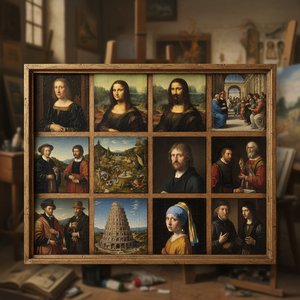
Oil on Panel Masters: 10 Paintings That Revolutionized Art |
Journey through 10 legendary 'Oil on Panel' masterpieces by Van Eyck, Bosch & Bruegel. Explore the stories behind these iconic Renaissance & Baroque paintings and find museum-quality art reproductions to elevate your home decor. Discover all masterpieces on !
Oil on Panel: A Historical Survey of Technique, Support, and Aesthetic Impact
Explore the rich history of oil on panel painting! Discover Renaissance techniques, support construction, & the enduring legacy of this masterful art form. Expert insights for collectors and enthusiasts.

Mastering the Surface: The Timeless Elegance and Technical Brilliance of Oil on Panel Painting
Discover the enduring allure of oil on panel painting. Explore the technical mastery, historical significance, and luminous depth that define this prestigious medium, from Renaissance masters to modern fine art reproductions for discerning collectors.
Oil on Panel: A Historical Survey of Technique, Support & Aesthetic Evolution
Explore the rich history of oil on panel painting! Discover Renaissance techniques, support structures & aesthetic evolution. Expert insights for art collectors and enthusiasts.
Mastering the Surface: A Historical and Technical Guide to the Art of Oil on Panel Painting
Explore the profound history and technical brilliance of oil on panel painting. From Renaissance masters to modern techniques, discover why this rigid support offers unparalleled precision and permanence for fine art lovers and collectors.