- ホーム

- キャンバスプリント用
- feng qiyong
- Landscape

 プレビュー
プレビュー
 シェアする
シェアする シェアする
シェアする
 詳細を見る
詳細を見る

 ダウンロード
 似ている作品
 X線調査
X線調査 スライドショー
Landscape


 詳細を見る
詳細を見る
ジークレー/アートプリント
迅速な制作と多彩な仕上げオプションを備えた、ミュージアムクオリティのジークレーまたはキャンバスプリント。 ( 手描き画への切り替え 画像に切り替え)




































作品のオリジナル比率に合わせた、当店の規定サイズからお選びください。

特定のフレームやスペースに合わせて、ご自身でサイズを指定することも可能です。選択されたサイズが元の画像の比率と一致しない場合、作品をトリミングするか、鏡面反射または単色での塗りつぶしによって画像を拡張いたします。制作を開始する前に、ご確認用のデジタルモックアップをお送りいたします。
画面上のプレビューには、実際のトリミングや拡張は反映されませんのでご注意ください。最終的な構図を正確に確認できるのは、モックアップのみとなります。
カスタムサイズも承っておりますが、元の比率を維持するためには、あらかじめ用意されたリストからサイズを選択することをお勧めいたします。


 ガラスオプションは、110cm未満のサイズでのみご利用いただけます。

Landscape
ジークレー/アートプリント
複製画のサイズ
-


合計金額
$ 80
アーティストの略歴
A Life Dedicated to the Dream: Feng Qiyong and the World of Redology
Feng Qiyong, born in Beijing in 1924 and passing away in 2017 at the age of 95, was more than just a Chinese artist; he was a devoted scholar, a masterful calligrapher, and a pivotal figure in the study of one of China’s greatest literary treasures: *Dream of the Red Chamber*. His life unfolded against a backdrop of immense cultural and political change, yet his dedication to preserving and understanding this complex novel remained unwavering. Qiyong wasn't simply an observer of Chinese culture; he was an active participant in its preservation, navigating turbulent times with a quiet determination that ultimately cemented his legacy as a leading Redologist – a scholar specializing in *Dream of the Red Chamber*.Early Life and Scholarly Pursuits
From a young age, Feng Qiyong demonstrated a profound aptitude for literature and art. He immersed himself in classical texts, developing a deep appreciation for the nuances of Chinese language and aesthetics. This early passion laid the foundation for his future work, particularly his fascination with Cao Xueqin’s sprawling masterpiece. His formal education was interrupted by the tumultuous years of the Cultural Revolution, a period during which many cultural artifacts were threatened. It was during this time that Qiyong undertook a remarkable act of preservation: he secretly copied *Dream of the Red Chamber* entirely by hand, a testament to his unwavering commitment and a symbolic defiance against the destruction of China’s literary heritage. This handwritten copy, completed between December 1967 and June 1968, became a cherished artifact in itself, representing not only the novel but also Qiyong's personal resilience. He later pursued formal studies at the University of China, becoming a professor in the Department of Chinese Literature, where he shared his knowledge and passion with generations of students.Mastering Calligraphy and Painting
While best known for his Redological work, Feng Qiyong was also a highly respected calligrapher and painter. After turning 70, he developed a unique calligraphic style that blended classical techniques with romantic expression. His paintings often reflected the themes and imagery found in *Dream of the Red Chamber*, creating a harmonious connection between his scholarly pursuits and artistic practice. He wasn’t merely illustrating the novel; he was embodying its spirit through brushstrokes and ink washes, capturing the delicate emotions and subtle symbolism that define Cao Xueqin's work. His ability to seamlessly integrate these two disciplines earned him recognition within Chinese art circles, establishing him as an outstanding master in both calligraphy and painting.The 1982 Edition and a Legacy of Scholarship
Feng Qiyong’s most significant contribution to the study of *Dream of the Red Chamber* was his leadership of the team that produced the revised edition published by the People’s Literature Publishing House in 1982. This edition, with its meticulous corrections and extensive annotations, quickly became the standard version of the novel, widely regarded as the most authoritative text available. The process was a monumental undertaking, requiring years of painstaking research and collaboration. Qiyong's dedication to accuracy and his deep understanding of the novel’s complexities ensured that this edition would serve as a cornerstone for future scholarship. Beyond the 1982 edition, he authored over twenty books on Chinese literature and history, edited dictionaries dedicated to *Dream of the Red Mansions*, and contributed significantly to encyclopedias of Chinese art.A Lasting Impact on Chinese Culture
In 1986, Feng Qiyong was appointed vice chairman of the Chinese Art Research Institute, a testament to his esteemed position within the cultural community. His work extended beyond academic circles; he actively promoted the study and appreciation of *Dream of the Red Chamber* through public lectures, exhibitions, and publications. He also pursued research in other areas of Chinese history and archaeology, demonstrating a broad intellectual curiosity that enriched his understanding of the novel’s context. Feng Qiyong's life was a testament to the power of dedication, resilience, and a deep love for Chinese culture. His legacy continues to inspire scholars, artists, and readers alike, ensuring that *Dream of the Red Chamber* remains a vibrant and enduring part of China’s literary heritage. He left behind not just scholarly works but also a profound sense of responsibility towards preserving and understanding the nation's cultural treasures.
feng qiyong
1924 - 2017 , China
基本情報
- Artistic Movement Or Style: Calligraphy, Shanshui
- Date Of Birth: 1924
- Date Of Death: 2017
- Full Name: Feng Qiyong
- Nationality: Chinese
- Notable Artworks: ['Landscape']
- Place Of Birth: Beijing, China
関連記事

印象派風景を彩った至宝:アート史に名を刻む10選
印象派風景の革新を彩った10選。モネ、ルノワールら巨匠の名作を紐解き、色彩と光が生み出す感動の世界へ。アートの歴史とインテリアのインスピレーションをOriginalUniqueArt.comで。高品質な複製画で、あなただけの空間を創造しましょう。
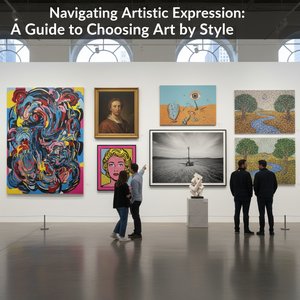
芸術表現の探求:様式選択による美的鑑賞への道標
OriginalUniqueArtは、高品質な油絵レプリカとカスタムアートを専門とするオンラインギャラリー。美術史に基づいた豊富な知識で、お客様の美的鑑賞をサポートします。鑑定サービスやコンサルテーションも提供し、最適な作品選びをお手伝いいたします。
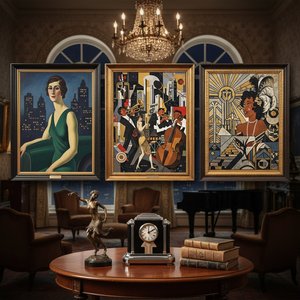
Roaring '20s Art: 10 Masterpieces of Jazz Age Style | OriginalUniqueArt
Step back into the glamour of the Roaring '20s! Explore 10 iconic artworks by artists like Tamara de Lempicka & Edward Hopper. Discover Art Deco, Jazz Age style & museum-quality reproductions at OriginalUniqueArt.com. Explore the full collection online.
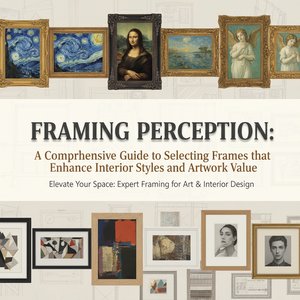
Framing Perception: A Comprehensive Guide to Selecting Frames that Enhance Interior Styles and Artwork Value
Elevate your space with expert art framing guidance! Discover how to choose frames that enhance artwork & interior design, protect valuable pieces, and create stunning displays. Trusted advice for designers & collectors.

Evocations of Place: A Historical Journey Through Landscape Art
Explore the rich history of landscape art with OriginalUniqueArt. Discover renowned artists, movements like Impressionism & tonalism, and expert guidance for collecting timeless pieces. Find your perfect serene escape today!

