
 プレビュー
プレビュー
 プリントを購入
 シェアする
シェアする シェアする
シェアする
 詳細を見る
詳細を見る

 ダウンロード
 似ている作品
 X線調査
X線調査 スライドショー
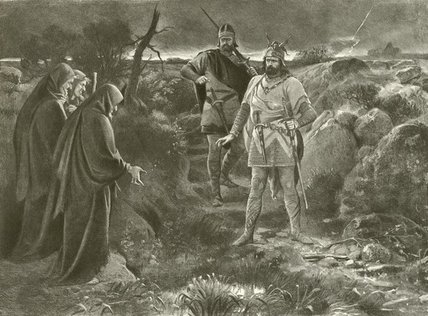
Macbeth

 詳細を見る
詳細を見る
オンラインプレビューをはるかに凌ぐ、高解像度で鮮明なデジタル画像をご購入いただけます。
各ファイルは、社内の専門家が高度なツールと熟練した手作業によるレタッチを用いて、細心の注意を払って準備されています。すべての画像において、卓越した鮮明度、正確な色彩再現性、そして繊細なディテールを保証いたします。
最終ファイルは、プロフェッショナルな編集・印刷環境ですぐにご利用いただけるよう最適化された状態で、72時間以内にメールにてお届けいたします。これは、一流のデザインスタジオ、出版社、ギャラリーから信頼されているものと同等の品質です。
デジタル画像のご注文に付随する特典
高品質なデジタル画像配信を、確かな品質で。
OriginalUniqueArt.com を選ぶことは、単に画像を手に入れることではありません。それは、プロの手によって精密に仕上げられ、満足保証が付いた高品質なデジタルアートワークを受け取ることを意味します。ご注文いただいた際に自動的に付随する内容は、以下の通りです:

メールですぐにお届け
ご注文から72時間以内に、高解像度のデジタル画像ファイルがメールでお手元に届きます。すぐにそのままご利用いただけます。

AI技術で最適化されたデジタルファイル
お客様の作品は、高度なAIツールと専門家による手作業の編集を組み合わせてプロフェッショナルに最適化されており、細部のディテール、鮮明さ、そして正確な色再現性を最大限に引き出しています。

一生涯無料の再送サービス
ファイルを誤って削除したり、紛失してしまったりしましたか?ご安心ください。いつでも無料で再送いたします。

輸入手数料は一切かかりません
関税や手数料、配送料を気にすることなく、お気に入りのアートワークをすぐにお楽しみいただけます。デジタルダウンロードは常に免税です。

色彩再現の保証
プロ仕様のツールとカラーマネジメント技術を用いることで、デジタル画像が元の色を最大限に忠実に再現することを保証いたします。

100日間満足保証
ご購入いただいたデジタル画像にご満足いただけない場合は、100日以内であれば、理由を問わず修正または100%の返金対応をさせていただきます。

100% 返金保証
ご満足いただけない場合は、デジタルファイルを受け取ってから100日以内であれば、理由を問わず全額返金いたします。

まとめ買い割引
3枚購入で10%OFF - 5枚購入で15%OFF - 10枚以上購入で20%OFF。クリエイティブなプロジェクト、ギャラリー、エージェンシーに最適です。
作家の略歴
Felix Octavius Carr Darley: The Pioneer of American Illustration
Felix Octavius Carr Darley (1822-1888) stands as a pivotal figure in the history of American art, not merely for his prolific output but for his role in establishing illustration as a respected and sophisticated artistic medium. Born in Philadelphia during a period of burgeoning industrialization and expanding literacy, Darley’s career coincided with a crucial shift in how Americans engaged with literature and visual culture. He wasn't simply a recorder of scenes; he was a storyteller who imbued the printed page with dramatic energy and a distinctly American sensibility – a blend that profoundly influenced generations of illustrators to follow.
Darley’s early life, marked by his parents’ theatrical backgrounds, instilled in him an appreciation for visual narrative and performance. Unlike many artists of his time who received formal training, Darley was largely self-taught, honing his skills through meticulous observation and a relentless pursuit of technical mastery. He began his career as a staff artist for a Philadelphia publishing house, a position that provided him with invaluable experience in capturing the dynamism of urban life – sketching scenes from the docks, capturing the bustle of city streets, and documenting the everyday dramas of working-class Philadelphia. This early exposure to diverse subjects and perspectives would later inform his rich and varied body of work.
Literary Collaborations and a Defining Style
Darley’s most enduring legacy lies in his collaborations with some of America's greatest literary figures. He was commissioned to illustrate works by Washington Irving, James Fenimore Cooper, Charles Dickens, Nathaniel Hawthorne, Edgar Allan Poe, and many others – a testament to his versatility and the high regard in which he was held. His illustrations for Cooper’s novels, particularly “The Last of the Mohicans” and “Leatherstocking Tales,” are considered masterpieces of American illustration, capturing the rugged beauty of the frontier landscape and the heroic exploits of its characters with remarkable detail and dramatic flair.
Darley's distinctive style was characterized by bold outlines, dynamic compositions, and a vibrant use of color – a departure from the more restrained techniques favored by European illustrators at the time. He employed a technique he called “outline drawing,” creating images primarily through strong lines rather than subtle shading. This approach allowed him to convey movement, emotion, and atmosphere with exceptional clarity and immediacy. His illustrations were not mere decorations; they actively engaged the reader’s imagination, bringing the stories to life in vivid detail. He was particularly adept at capturing the essence of a scene – distilling complex narratives into visually compelling vignettes that resonated deeply with audiences.
The Rise of Illustration as Art
Darley's success coincided with a period of significant change in the American publishing industry. As literacy rates rose and printing technology advanced, books became more accessible to a wider audience. Illustrations began to be recognized not just as decorative elements but as integral components of the reading experience – enhancing comprehension, stimulating imagination, and adding layers of meaning to the text. Darley played a crucial role in this transformation, demonstrating that illustration could be a sophisticated art form worthy of serious artistic consideration.
His work was widely circulated through magazines like *Harper’s Weekly* and *The Saturday Evening Post*, further solidifying his reputation as America's foremost illustrator. He became the first American artist to receive widespread recognition for his illustrations, paving the way for future generations of illustrators to pursue careers in art. His influence can be seen in the work of later illustrators such as Howard Pyle and N.C. Wyeth.
A Legacy Preserved
Felix Octavius Carr Darley’s impact extends beyond his artistic achievements. He established a home, “The Wren’s Nest,” in Claymont, Delaware, which remains open to the public as a historic house museum. The house offers a fascinating glimpse into the life and work of this remarkable artist, showcasing his studio, personal belongings, and a collection of his original illustrations. Darley's legacy is not just one of artistic skill but also of cultural significance – he helped shape the visual landscape of America and established illustration as a respected art form.
His contributions to American literature and art are still celebrated today, ensuring that Felix Octavius Carr Darley’s name will forever be associated with the vibrant spirit and dynamic energy of 19th-century America.

Felix Octavius Carr Darley
1822 - 1888