

 プレビュー
プレビュー
 シェアする
シェアする シェアする
シェアする
 詳細を見る
詳細を見る ガイド
ガイド

 ダウンロード
 似ている作品
 X線調査
X線調査 スライドショー
 統計情報
統計情報Self-Portrait
 Oil On Canvas
- WallArt
- Baroque Period
 1570
1570 33.0 x 25.0 cm
 ウフィツィ美術館
 詳細を見る
詳細を見る
手描き油彩複製画
当社のアーティストが、お客様のご希望のサイズと額縁に合わせて、キャンバスに手描きで制作する油彩画です。 ( プリント版に切り替え デジタル画像販売へ切り替え)




P118B $10

P118H $10

P118W $10

P438Z $10

P508JH $12

P508YH $12

P805H $10

P805Z $10

P919BZ $10

P919G $10

P919XJ $10

P959ZH $10

P968JZ $12

W106C $8

W218G $10

W218JH $8

W218Y $10

W307PJ $10

W316G $10

W316PJ $8

W316Y $10

W398PJ $8

W4111J $10

W500HY $15

W500JH $15

W692G $12

W849H $8

W940BG $15

W953PJ $8




作品のオリジナル比率に合わせた、当店の規定サイズからお選びください。

特定のフレームやスペースに合わせて、ご希望のサイズをご入力いただけます。選択されたサイズが元の画像の比率と異なる場合、アートワークをトリミングするか、手描きで要素を追加して絵画を拡張いたします。デジタルモックアップ を制作し、制作開始前にご確認(承認)をいただきます。
画面上のプレビューは、実際のトリミングや拡張を正確に反映しているものではありません。最終的な構図は、モックアップによってのみ正確にご確認いただけます。
カスタムサイズもご利用いただけますが、元の比率を維持するためには、あらかじめ用意されたリストからサイズを選択することをお勧めいたします。
ご注文後、OriginalUniqueArt.com チームより詳細な指示をお送りするとともに、仕上がりイメージ(モックアップ)をご提供いたします。


 ガラスオプションは、110cm未満のサイズでのみご利用いただけます。

Self-Portrait
複製技法
複製画のサイズ
-


合計金額
$ 300
A Window to the Soul: Federico Fiori Barocci’s “Self-Portrait”
Federico Fiori Barocci's "Self-Portrait," painted in 1570, isn't merely a likeness; it’s a carefully constructed invitation into the artist’s mind and spirit. Housed within the hallowed halls of the Galleria degli Uffizi in Florence, this oil on canvas offers a remarkably intimate glimpse into the world of a pivotal figure bridging the Renaissance and the burgeoning Baroque era. Measuring just 33 x 25 centimeters, its modest scale belies the profound depth of emotion and technical mastery contained within.
Barocci’s style, as evidenced here, is characterized by an exquisite balance between classical restraint and a growing expressive intensity – a hallmark that would later define his most celebrated works. The painting immediately draws the eye to the subject's face, rendered with meticulous detail; the subtle play of light and shadow sculpts his features, hinting at both age and a contemplative demeanor. The artist’s skill is undeniable: visible brushstrokes create a textured surface, lending a sense of immediacy and vitality to the portrait. The careful rendering of the beard and mustache – meticulously detailed strands capturing the texture and sheen of hair – speaks volumes about Barocci's dedication to his craft.
The Baroque’s Embrace: Emotion and Drama
Painted during a period of significant artistic transition, “Self-Portrait” embodies the shift from the idealized formality of the High Renaissance towards the dramatic emotionalism of the Baroque. While retaining elements of Renaissance portraiture – particularly in the careful attention to anatomical accuracy – Barocci introduces a new level of psychological depth. The subject’s gaze is direct and engaging, almost challenging the viewer to connect with his inner world. This deliberate engagement was a key element of the Baroque's focus on evoking emotion and conveying spiritual experience.
The dark background serves not as mere backdrop but as a strategic device, intensifying the luminosity of the subject’s face and drawing all attention to his expression. It’s a technique frequently employed during this period, prioritizing the psychological impact of the portrait over elaborate settings or distracting details. The inclusion of the lace collar – a detail suggesting wealth and perhaps even a position of authority – subtly hints at Barocci's social standing within Urbino’s aristocratic circles.
A Masterpiece in Miniature: Technique and Materials
The choice of oil on canvas was crucial to Barocci’s artistic vision. This medium allowed for rich, vibrant colors and a remarkable level of detail – essential for capturing the nuances of skin tone, fabric texture, and the subtle play of light. The layering of paint creates a sense of depth and volume, while the visible brushstrokes contribute to the painting's overall dynamism. The artist’s masterful control over chiaroscuro—the dramatic contrast between light and dark—further enhances the portrait’s emotional impact, creating a captivating interplay of shadows and highlights.
Beyond the Canvas: A Legacy of Emotion
Federico Fiori Barocci's "Self-Portrait" is more than just a representation of an individual; it’s a window into the artist’s soul. It stands as a testament to his technical skill, his understanding of human psychology, and his pivotal role in shaping the artistic landscape of the 16th century. The painting's enduring appeal lies not only in its aesthetic beauty but also in its ability to evoke a sense of empathy and connection – a reminder that even within a small canvas, a profound story can be told.
Further exploration into Barocci’s life and work is encouraged through the resources linked below. Consider commissioning a high-quality reproduction to bring this captivating masterpiece into your own home or office—a tangible connection to one of art history's most intriguing figures.
アーティストの略歴
生い立ちと初期の修業
1535年、イタリアのウルビーノに生まれたフェデリコ・フィオリ・バロッキは、ルネサンス期の画家であり版画家の道を歩み始めました。当初の名前はフェデリコ・フィオリでしたが、「イル・バロッキョ」という愛称で知られるようになります。これは北西イタリアの方言で「牛車」を意味し、彼の出自を表しています。父親アンブロージョ・バロッキは地元の名高い彫刻家であり、幼少の頃からその才能を見せ、最初に父親のもとで絵画の基礎を学びました。その後、ウルビーノの画家バッティスタ・フランコに師事し、将来の成功へと繋がる確固たる基盤を築きました。芸術的キャリアと影響
バロッキの作品は高く評価され、ピーター・パウル・ルーベンスのようなバロック様式を先取りするものでした。ローマの名門スタジオであるタッデオとフェデリコ・ッズゥッカーリのもとで働き、様々な芸術的影響を受けました。彼の初期の重要な作品の一つに、聖サクレメント教団のために制作された「聖マルガリータ」があります。さらに、ピウス4世からバチカン・ベルヴェデーレ宮殿の装飾を依頼され、聖母子像や天使たちを描き、また、「受胎告知」というフレスコ画の天井画も手がけました。バロッキのスタイルは、マニエリスムとバロック様式の要素が混ざり合ったものでした。代表作と遺産
彼の才能を示す作品は数多く存在します。男性像の習作5点と右腕・手の習作2点(フィレンツェ、ウフィツィ美術館)は、バロッキが人間の形を捉える能力を証明しています。また、「割礼」のための構図研究(パリ、ルーブル美術館)は、彼の構成力と感情表現の巧みさを示しています。「聖アンドレアの召命」のための男性の頭部(ブリュッセル、王立美術博物館)は、細部へのこだわりと表情豊かな描写を際立たせています。1597年に制作された油彩画「降誕」(プラド美術館)、ウフィツィ美術館に所蔵されている「民衆の聖母」、そして愛らしい猫が描かれた「猫の聖母(La Madonna del Gatto)」も彼の代表作として知られています。1582年の作品である「受胎告知」もまた、バロッキの芸術的才能を物語る傑作です。芸術的影響と後世への貢献
バロッキの影響は、ピーター・パウル・ルーベンスをはじめとする多くの芸術家の作品に見られます。特にルーベンスは、バロッキの劇的で感情豊かな筆致から大きなインスピレーションを受けました。彼の遺産は、フィレンツェ(イタリア)のウフィツィ美術館やパリ(フランス)のルーブル美術館など、世界中の美術館に所蔵されている数多くの作品を通して今もなお称えられています。バロッキの絵画は、ルネサンスとバロックという二つの時代を繋ぐ架け橋となり、後世の芸術家たちに多大な影響を与え続けています。
フェデリコ・バロッキ
1535 - 1612 , イタリア
基本情報
- Artistic Movement Or Style: ルネサンス、バロック
- Artists Or Movements Influenced By This Artist: ['ピーテル・パウル・ルーベンス']
- Artists Who Influenced This Artist: ['バッティスタ・フランコ']
- Date Of Birth: 1535年
- Date Of Death: 1612年
- Full Name: フェデリコ・フィオリ・バロッキ
- Nationality: イタリア人
- Notable Artworks (List Of Titles):
- 降誕図
- マドンナ・デル・ポポロ
- 受胎告知
- Place Of Birth (City And Country): ウルビーノ、イタリア
関連記事

The Enduring Legacy of Oil on Canvas: Technique, History & Aesthetic Impact
Explore the rich history & techniques of oil painting – from Renaissance masters to Impressionism. Discover pigments, layering methods, and why this timeless medium endures. Expert insights for artists & art enthusiasts.
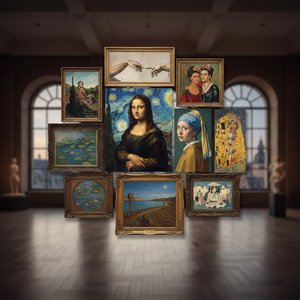
Oil on Canvas Masters: 10 Paintings That Redefined Art History |
Journey through art history with our guide to 10 legendary oil on canvas masterpieces! Explore iconic works by Van Gogh, Monet & Rembrandt. Find museum-quality reproductions and elevate your home decor at . Discover all masterpieces online.

The Soul of Impressionism: Why Oil on Canvas Captures Eternal Light and Timeless Emotion
Discover the enchanting alchemy of Impressionism. Explore how the mastery of oil on canvas, through glazing and impasto, captures eternal light and emotion. Perfect for lovers of Monet and Van Gogh seeking the profound depth of hand-painted fine art.

油彩のキャンバス:技法、歴史、そして現代の実践 - 古典美術愛好家へ
油彩の技法、歴史、巨匠たちの秘密を徹底解説。古典美術愛好家向けに、初期フランドル絵画から現代の実践まで深く掘り下げます。OriginalUniqueArtで高品質な複製画やカスタムオーダーも承ります。

Oil on Canvas: A Historical & Technical Exploration of a Timeless Artistic Medium
Explore the rich history & enduring techniques of oil painting on canvas. Discover the science behind its longevity, conservation practices, and contemporary relevance. Expert insights for art enthusiasts.