- ホーム

- キャンバスプリント用
- eugène simonis
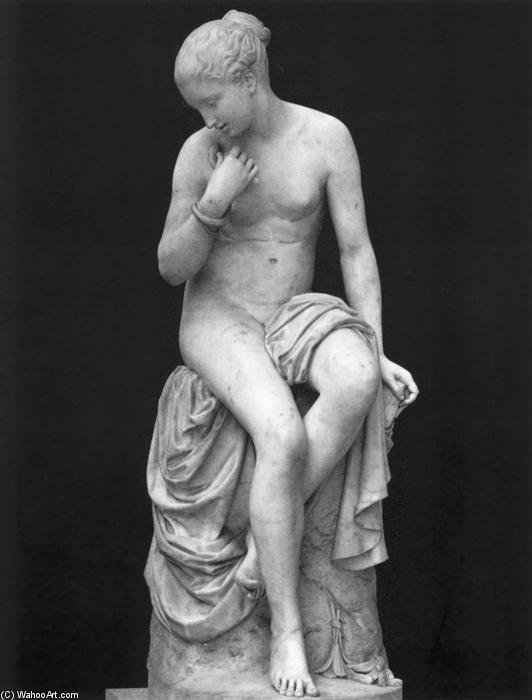
- Innocence
 手描き複製画を注文する
 シェアする
シェアする シェアする
シェアする
 詳細を見る
詳細を見る

 ダウンロード
 似ている作品
 X線調査
X線調査 スライドショー
Innocence


 詳細を見る
詳細を見る




































作品のオリジナル比率に合わせた、当店の規定サイズからお選びください。

特定のフレームやスペースに合わせて、ご自身でサイズを指定することも可能です。選択されたサイズが元の画像の比率と一致しない場合、作品をトリミングするか、鏡面反射または単色での塗りつぶしによって画像を拡張いたします。制作を開始する前に、ご確認用のデジタルモックアップをお送りいたします。
画面上のプレビューには、実際のトリミングや拡張は反映されませんのでご注意ください。最終的な構図を正確に確認できるのは、モックアップのみとなります。
カスタムサイズも承っておりますが、元の比率を維持するためには、あらかじめ用意されたリストからサイズを選択することをお勧めいたします。


 ガラスオプションは、110cm未満のサイズでのみご利用いただけます。

Innocence
ジークレー/アートプリント
複製画のサイズ
-


合計金額
-
アーティストの略歴
Life and Early Years
Louis-Eugène Simonis was born in Liège, Belgium, on July 11, 1810. His father, Jean-Baptiste Simonis, was a professor of mathematics at the Université catholique de Louvain, while his mother, Marie-Thérèse Dubois, descended from noble families. From an early age, Simonis demonstrated exceptional artistic talent and pursued formal training diligently. He began his studies at the Liège École de Dessin between 1825 and about 1826, where he was taught by François-Joseph Dewandre (1758–1835), a respected sculptor who instilled in him a foundational understanding of classical principles. This formative period established Simonis’s lifelong dedication to mastering sculptural technique and conveying profound emotion through form.Studies in Italy
Recognizing his burgeoning potential, Simonis received a generous grant to continue his artistic education abroad—specifically in Italy—in 1828. He traveled to Bologna and Rome, immersing himself in the vibrant artistic milieu of the era and studying under influential sculptors Mathieu Kessels and Carlo Finelli. These masters championed Neoclassical ideals, emphasizing rational beauty and harmonious proportions derived from ancient Greek and Roman art. Simonis’s exposure to these traditions profoundly shaped his aesthetic sensibilities and solidified his commitment to crafting monumental sculptures that embodied national pride and explored allegorical themes—particularly freedom and innocence.Return to Belgium and Academic Career
Upon returning to Liège in 1835, Simonis accepted a prestigious instructor position at the Liège École de Dessin, nurturing the talents of future Belgian sculptors like Thomas Vinçotte and Julien Dillens. He continued his artistic pursuits while simultaneously contributing to the intellectual landscape of his homeland. Later, he relocated to Brussels, where he assumed the directorial role of the Académie royale des beaux-arts—a position he held until his death in 1882. Under Simonis’s guidance, the academy flourished as a beacon of artistic excellence and fostered collaborations between artists and intellectuals alike. He mentored generations of sculptors, shaping the trajectory of Belgian art history.Notable Sculptures and Artistic Style
Simonis achieved renown for his monumental sculptures—most notably Godfrey of Bouillon and Harmony of Human Passions—which served as emblems of Belgian national identity during a period marked by fervent patriotism. These works exemplify Simonis’s masterful command of Neoclassical technique, characterized by meticulous attention to detail and an unwavering pursuit of idealized forms reflecting moral virtue and spiritual aspiration. His sculptures are imbued with solemn grandeur and convey powerful narratives rooted in Christian symbolism—a testament to his artistic convictions and the influence of Romanticism on his oeuvre. The Square Eugène Simonis in Brussels stands as a lasting tribute to his legacy, bearing his name and commemorating his contribution to Belgian culture.Legacy and Historical Significance
Eugène Simonis’s sculptures remain revered for their beauty and symbolic depth—inspiring admiration across generations of art historians and critics. He is considered one of the foremost sculptors of his time, representing a pivotal moment in Belgian artistic history. His influence extended beyond his immediate students, shaping the broader aesthetic discourse of the 19th century and establishing him as an enduring figure within the canon of European sculpture. Simonis’s commitment to Neoclassical ideals—combined with his profound empathy for human emotion—continues to resonate today, securing his place as a visionary artist who captured the spirit of his era and bequeathed to posterity masterpieces embodying timeless values.
eugène simonis
1810 - 1882 , Belgium
基本情報
- Artistic Movement Or Style: Neoclassical art
- Artists Or Movements Influenced By This Artist: ['Romanticism']
- Artists Who Influenced This Artist: ['François-Joseph Dewandre']
- Date Of Birth: July 1810
- Full Name: Louis-Eugène Simonis
- Nationality: Belgian
- Notable Artworks:
- Godfrey of Bouillon
- Harmony of Human Passions
- Place Of Birth: Liège, Belgium

