

 プレビュー
プレビュー
 シェアする
シェアする シェアする
シェアする
 詳細を見る
詳細を見る

 ダウンロード
 似ている作品
 X線調査
X線調査 スライドショー
Mountain landscape


 詳細を見る
詳細を見る
ジークレー/アートプリント
迅速な制作と多彩な仕上げオプションを備えた、ミュージアムクオリティのジークレーまたはキャンバスプリント。 ( 手描きの絵画を購入 画像を購入)




P118B $10

P118H $10

P118W $10

P438Z $10

P508JH $12

P508YH $12

P805H $10

P805Z $10

P919BZ $10

P919G $10

P919XJ $10

P959ZH $10

P968JZ $12

W106C $8

W218G $10

W218JH $8

W218Y $10

W307PJ $10

W316G $10

W316PJ $8

W316Y $10

W398PJ $8

W4111J $10

W500HY $15

W500JH $15

W692G $12

W849H $8

W940BG $15

W953PJ $8




作品のオリジナル比率に合わせた、当店の規定サイズからお選びください。

特定のフレームやスペースに合わせて、ご自身でサイズを指定することも可能です。選択されたサイズが元の画像の比率と一致しない場合、作品をトリミングするか、鏡面反射または単色での塗りつぶしによって画像を拡張いたします。制作を開始する前に、ご確認用のデジタルモックアップをお送りいたします。
画面上のプレビューには、実際のトリミングや拡張は反映されませんのでご注意ください。最終的な構図を正確に確認できるのは、モックアップのみとなります。
カスタムサイズも承っておりますが、元の比率を維持するためには、あらかじめ用意されたリストからサイズを選択することをお勧めいたします。


 ガラスオプションは、110cm未満のサイズでのみご利用いただけます。

Mountain landscape
ジークレー/アートプリント
複製画のサイズ
-


合計金額
$ 80
作品詳細説明
A Journey Into Gauguin’s Soul: “Mountain Landscape”
Paul Gauguin's "Mountain Landscape," painted in 1882, isn’t merely a depiction of a hillside; it’s a profound distillation of the artist’s evolving vision and his yearning for a deeper connection with nature and spirituality. Emerging from the vibrant, yet ultimately superficial, world of Impressionism, Gauguin embarked on a radical shift—a deliberate rejection of objective representation in favor of subjective experience and symbolic resonance. This painting stands as a pivotal moment in that transformation, showcasing a nascent style that would profoundly influence generations of artists to come. The scene itself is deceptively simple: a rugged, almost primordial landscape dominated by towering mountains and a swirling, cloudy sky. Yet, within this apparent simplicity lies a complex interplay of color, texture, and emotion—a testament to Gauguin’s innovative approach to capturing the essence of his subject. He wasn't striving for photographic accuracy; instead, he sought to translate the *feeling* of being amidst such grandeur, an experience deeply rooted in personal intuition and spiritual contemplation.- The Palette of Emotion: Gauguin’s masterful use of color is immediately striking. Gone are the delicate pastel hues of Impressionism; here, we encounter a bolder, more assertive palette—deep greens, rich browns, ochre yellows, and dramatic blues. These aren't colors that simply describe the landscape; they *become* the landscape itself, imbued with an emotional charge. The vibrant greens suggest life and vitality, while the earthy browns ground the scene in a sense of solidity and permanence. The sky, rendered in swirling shades of blue and grey, evokes both serenity and turbulence—a reflection perhaps of Gauguin’s own inner turmoil during this period of intense artistic exploration.
- Brushstrokes as Voices: Gauguin's distinctive brushwork is equally crucial to the painting’s impact. His strokes are not smooth or blended; they are loose, expressive, and often deliberately uneven. These visible marks—a hallmark of his style—inject a sense of movement and energy into the scene, suggesting the constant flux of nature and the artist’s own restless spirit. The brushstrokes seem to dance across the canvas, creating a tactile quality that invites the viewer to reach out and touch the landscape.
- A Departure from Realism: Notice how Gauguin simplifies forms—the mountains are not meticulously rendered but rather suggested through broad masses of color and texture. This simplification isn’t an act of carelessness; it's a deliberate choice to prioritize emotional impact over literal representation. He is less concerned with depicting *what* he sees than with conveying *how* he feels about what he sees.
The Context of Transformation: Gauguin and Post-Impressionism
To fully appreciate “Mountain Landscape,” it’s essential to understand its place within the broader context of Post-Impressionism—a movement that arose in reaction to the limitations of Impressionism. While Impressionists sought to capture fleeting moments of light and color, Post-Impressionist artists like Gauguin aimed to delve deeper into the underlying emotions and symbolic meanings of their subjects. They rejected the purely optical approach of Impressionism, embracing a more subjective and expressive style. Gauguin’s journey began in Paris, where he initially experimented with Impressionistic techniques. However, disillusioned by what he perceived as its superficiality, he sought refuge in Brittany, immersing himself in rural life and drawing inspiration from Celtic folklore and mythology. This experience profoundly shaped his artistic vision, leading him to develop a style characterized by bold colors, simplified forms, and symbolic imagery—a style that would become synonymous with Post-Impressionism. Key Influences:- Synthetism: Gauguin’s exploration of Synthetism – an artistic style focused on the synthesis of form and color – is evident in this work.
- Primitivism: His fascination with non-Western cultures, particularly those of Tahiti, fueled his desire to strip away Western conventions and embrace a more primal, intuitive approach to art.
Decoding the Symbolism
“Mountain Landscape” isn’t simply a landscape painting; it's a visual poem—a meditation on nature, spirituality, and the human condition. The towering mountains themselves can be interpreted as symbols of strength, permanence, and the sublime—evoking a sense of awe and humility in the face of nature’s grandeur. The swirling clouds suggest both tranquility and turbulence, reflecting the complexities of life and the artist's own inner struggles. Notably, the absence of human figures reinforces this focus on the landscape itself, transforming it into a sacred space—a realm where the viewer can connect with something larger than themselves. Gauguin was deeply interested in exploring themes of spirituality and mythology, often incorporating symbolic elements into his work to convey hidden meanings. The painting invites contemplation: What does the rugged terrain represent? How does the sky’s movement affect your mood?A Legacy of Innovation
“Mountain Landscape” is a remarkably prescient work—a harbinger of the radical artistic movements that would emerge in the early 20th century. Gauguin's bold experimentation with color, texture, and symbolism paved the way for Expressionism, Fauvism, and other avant-garde styles. His willingness to challenge conventional notions of representation and embrace a more subjective approach to art continues to inspire artists today. Reproductions of this iconic painting offer a unique opportunity to experience Gauguin’s visionary spirit—to step into his world and contemplate the timeless beauty and profound mystery of the natural landscape.アーティストの略歴
大胆な筆致に刻まれた生涯:ポール・ゴーギャンの世界
鮮やかな色彩と反逆の精神を想起させる名前、エジェーヌ・アンリ・ポール・ゴーギャン。彼は印象派から近代美術への転換期において、極めて重要な役割を果たした人物です。1848年にパリで生まれた彼の人生は、決して型にはまったものではありませんでした。その幼少期は、非常に独特な環境によって形作られました。ジャーナリストであった父、そしてペルーの貴族の血を引く母。母方の祖母であるフローラ・トリスタンは、先駆的なフェミニストであり社会主義的な作家でもあり、彼女が掲げた理想は間違いなく家族の中に響き渡っていました。この血統はゴーギャンの芸術的ビジョンを深く形作り、ヨーロッパの枠を超えた文化への憧憬を彼に植え付けました。1850年に家族と共にペルーへ移住した幼少期は、パリ社会とは全く異なる世界へと彼を没入させました。その経験は彼の心に長く残り、最終的に芸術における「真実」を追い求める原動力となったのです。父の死後にフランスへ戻ったゴーギャンは、正規の教育を受けましたが、その関心は学問ではなく、急速に発展する金融の世界へと向かいました。彼は証券ブローカーとしてのキャリアを歩み始めますが、それは後に彼を待ち受ける芸術的な運命とは、一見すると正反対の道のように思われました。金融界から芸術への天啓
長年、ゴーギャンは二重生活を送っていました。ビジネスに勤勉に取り組みながら、その裏で密かに絵画への情熱を育んでいたのです。当初は印象派の影響を受け、余暇の中で色彩と光の実験を始めましたが、やがて彼は、移ろいゆく現実の一瞬を捉えることに固執する彼らの手法に、ある種の制約を感じるようになりました。1882年の経済危機が転換点となり、彼は実りあるキャリアを捨て、芸術という天職に身を投じる決意をします。これは単なる職業の変更ではなく、世界観の根本的な変容でした。彼はカミーユ・ピサロに助言を求め、彼に促されることでパリのアヴァンギャード(前衛)の輪へと足を踏み入れます。しかし、ゴーギャンはすぐに印象派の原則から離れ始め、より表現力豊かで象徴的なもの――単に「目に見えるもの」だけでなく、「心で感じること」を伝える手段を渇望するようになりました。この欲求が彼を芸術的探求の旅へと駆り立て、パリのサロンを遥かに超え、「原始的」な文化の核心へと導いたのです。彼は単にこれらの文化を描写することに興味があったのではありません。西洋文明の中で失われてしまった純粋さがそこにはあると信じ、その本質を吸収しようとしたのです。ブルターニュとタヒチの呼び声
ゴーギャンの芸術的進化は、彼の旅と密接に結びついていました。彼はブルターニュに滞在し、その荒々しい風景と人々の深く根付いた伝統に魅了されました。この時期、彼は形態の平坦化、大胆な輪郭線、そして構図の簡略化といった実験を繰り返しました。これらの技法は彼を写実主義から遠ざけ、より象徴的な言語へと近づけていきました。しかし、彼の創造的な潜在能力を真に解き放ったのは、1891年のタヒチへの旅でした。ヨーロッパ文明の息苦しい制約から逃れる場所を求め、ゴーギャンはポリネシアの文化の中に、より純粋で真正な生き方を見出せるのではないかと期待したのです。これは単なる芸術的な追求ではなく、精神的な探求でもありました。彼は現地の習俗や信仰に身を投じ、独自の視点を通してポリネシアの女性、風景、そして宗教的儀式を描き出しました。浮世絵――ジャポニスム――や中世美術の影響を受けながら、彼は鮮やかな色彩、異国情緒あふれる主題、そして神秘的な空気感を特徴とする独特の美学を確立しました。「マンゴーを持つ女(ヴァヒネ・ノ・テ・ミティ)」、「死者の霊に見守られて(マナオ・トゥパパウ)」、そして「神々の日」といった象徴的な作品はこの時期に誕生し、先見の明を持つ芸術家としての彼の地位を不動のものにしました。彼の色彩表現はますます大胆で非写実的なものとなり、現実を複製するためではなく、感情や精神的な意味を表現するための手段へと昇華していったのです。遺産と論争
芸術的な突破口を開いた一方で、ゴーギャンの生涯はしばしば苦難に彩られていました。タヒチ、そして後に定住したマルキーズ諸島での生活において、彼は経済的な困窮や健康の悪化に苦しみました。それでもなお、彼は精力的に描き続け、生と死、そして精神性というテーマを執拗に探求しました。1903年、マルキーズ諸島の辺境にあるヒバ・オア島で、彼はその天才性をほとんど認められることなく世を去りました。ゴーギャンの作品が正当な評価を受け始めたのは、彼が亡くなった後のことでした。今日、彼は印象派と象徴主義の架け橋となり、フォーヴィズムなどの運動への道を開いた近代美術の極めて重要な人物として称えられています。彼の色彩の使用、簡略化された形態、そして象徴的なイメージは、パブロ・ピカソやアンリ・マティスをはじめとする数多くの芸術家に深い影響を与えました。しかし、ゴーギャンは依然として論争の的となる人物でもあります。特にポリネシアの若い女性たちとの関係といった私生活の側面は、現代の倫理的な観点から議論され、再解釈され続けています。それでもなお、彼の芸術的貢献は否定しようのないものであり、その遺志は今も世界中の芸術家や愛好家を刺激し続けています。彼は真の革新者であり、慣習に立ち向かい、自らの道を切り拓いた反逆者でした。彼が残した作品群は、彼自身と同じように、人々を魅了し、謎に満たされているのです。主要な影響と芸術的特徴
- 印象派: 色彩と光における初期の影響。後に、移ろいゆく現実への固執という理由から拒絶された。
- ジャポニスム: 平面的表現、大胆な輪郭線、装飾的なパターンにインスピレーションを与えた。
- 中世美術: 象徴的なイメージや、厳格な写実主義の否定に影響を与えた。
- 総合主義(シンテティスム): 客観的な観察ではなく、主観的な経験に基づいて芸術を創造することを強調する、ゴーギャンが発展させた様式。
- プリミティヴィズム: 非西洋文化への心酔。それらがより真正で精神的な生き方を提供していると信じたことが、彼の主題や様式的な選択に反映されている。
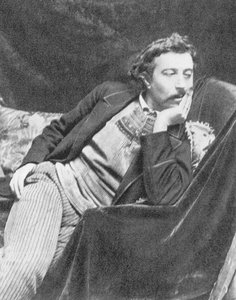
ギュスターヴ・アウゲニュ・ポール・ゴギャン
1848 - 1903 , フランス
基本情報
- Artistic Movement Or Style: 印象派、シンボリズム
- Artists Or Movements Influenced By This Artist:
- パブロ・ピカソ
- アンリ・マティス
- Artists Who Influenced This Artist: ['カミーユ・ペッサロ']
- Date Of Birth: 1848年6月7日
- Date Of Death: 1903年5月8日
- Full Name: Eugène Henri Paul Gauguin
- Nationality: フランス人
- Notable Artworks: ['清風']
- Place Of Birth: パリ、フランス
関連記事

ポール・セザンヌ:至高の25選 - 傑作と革新の軌跡 | OriginalUniqueArt
ポール・セザンヌの至高の25選。ポスト印象派を代表する画家、セザンヌの傑作と革新的な技法を紐解きます。OriginalUniqueArtで高品質な複製画やインテリアアートを見つけ、芸術の世界をご自宅に。今すぐコレクションをご覧ください。
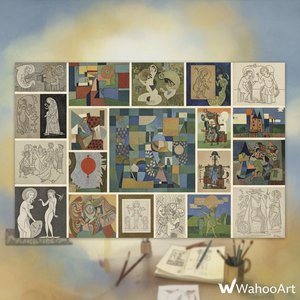
パウル・クレー傑作25選:色彩と象徴に満ちた芸術の世界 | OriginalUniqueArt
パウル・クレーの傑作25選🎨 色彩と象徴に満ちた抽象絵画の世界を旅。ドイツ表現主義からバウハウスまで、クレーの革新的な技法と感動的な作品群をOriginalUniqueArtで。高品質な美術品複製やインテリアアートも豊富です。オンラインストアで全コレクションをご覧ください。
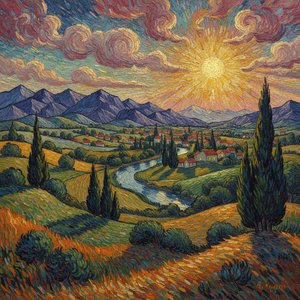
Beyond Impressionism: The Emotional Depth and Vibrant Evolution of Post-Impressionist Landscapes
Explore the profound evolution of Post-Impressionist landscapes. From Van Gogh's emotional brushwork to Cézanne's structural mastery, discover how these visionaries redefined art history through color and form in this expert guide for fine art enthusiasts.
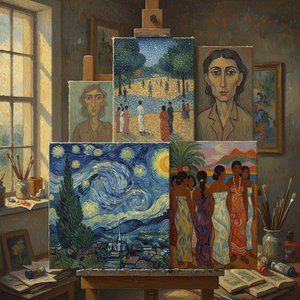
Beyond Impressionism: Exploring the Emotional Depth of Post-Impressionist Painting
Explore the profound emotional depth & innovative techniques of Post-Impressionism with OriginalUniqueArt. Discover Cézanne, Van Gogh, Gauguin & more – and their lasting impact on modern art.
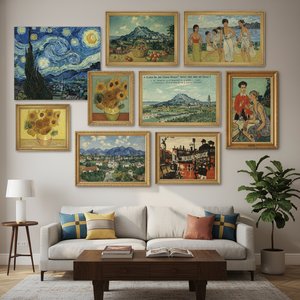
没後印象派を彩る至宝:時代を定義した10大名作
時代を彩る没後印象派の名作10選。ゴッホ、セザンヌら巨匠の傑作を深く掘り下げ、その物語と技法に迫ります。色彩豊かなアートで空間を演出。OriginalUniqueArt.comで至高のアートプリントを見つけませんか?



