
 設置イメージを表示
 シェアする
シェアする シェアする
シェアする
 詳細を見る
詳細を見る ガイドを表示

 ダウンロード
 似ている作品
 X線調査
X線調査 スライドショーを表示
 Q&A
Q&A 統計情報
統計情報Child at Table


 詳細を表示
詳細を表示
ジークレー/アートプリント
スピーディーな制作と多彩な仕上げオプションが魅力の、ミュージアムクオリティなジークレー・キャンバスプリント。 ( 手描き複製画を注文する デジタル画像販売へ切り替え)




P118B ¥10

P118H ¥10

P118W ¥10

P438Z ¥10

P508JH ¥12

P508YH ¥12

P805H ¥10

P805Z ¥10

P919BZ ¥10

P919G ¥10

P919XJ ¥10

P959ZH ¥10

P968JZ ¥12

W106C ¥8

W218G ¥10

W218JH ¥8

W218Y ¥10

W307PJ ¥10

W316G ¥10

W316PJ ¥8

W316Y ¥10

W398PJ ¥8

W4111J ¥10

W500HY ¥15

W500JH ¥15

W692G ¥12

W849H ¥8

W940BG ¥15

W953PJ ¥8




作品のオリジナル比率に合わせた、当店の規定サイズからお選びください。

額縁や壁のスペースに合わせて、ご希望の幅と高さを入力してください。プリントはカットすることは可能ですが、元の画像より大きくすることはできないため、異なる比率のサイズを選択された場合は、画像の一部が欠けることになります。印刷を開始する前に、内容を確認していただくためのデジタルモックアップをお送りいたします。このページに表示されている画像は、実際のカット後の状態を示すものではありません。実際の仕上がりはモックアップにてご確認ください。


 ガラスオプションは、110cm未満のサイズでのみご利用いただけます。

Child at Table
ジークレー/アートプリント
複製画サイズ一覧
-


合計金額
¥ 12617
Eugène Carrière’s ‘Child at Table’: A Monochromatic Meditation on Innocence
Eugène Anatole Carrière's Child at Table (1880) is not merely a portrait; it’s an immersion into a world of quiet contemplation, rendered with a startlingly spare palette and imbued with the profound symbolism characteristic of the Symbolist movement. Created during a period of intense artistic experimentation in France – a direct response to the Impressionists' focus on fleeting moments of light – Carrière sought to evoke deeper emotional and spiritual truths through his art. This work, depicting a young boy, likely his son Jean René, captured around 1888, exemplifies this approach with remarkable clarity.
- A Monochromatic Universe: Carrière’s signature style is immediately apparent in the painting's stark contrast. The almost entirely monochrome palette – shades of blue, gray, and brown – creates a sense of detachment from the everyday, elevating the scene to something almost sacred. This deliberate restriction of color wasn’t simply an aesthetic choice; it was rooted in Carrière’s early experience as a lithographer, where he honed his skills in creating dramatic tonal effects.
- The Power of Light and Shadow: Despite the lack of vibrant hues, Carrière masterfully manipulates light and shadow to generate a luminous effect. The creamy-white skin of the child is dramatically highlighted against the enveloping darkness, drawing the viewer’s eye directly to this vulnerable subject. This technique, reminiscent of Rubens' influence, suggests an almost ethereal quality, hinting at a timeless innocence.
Symbolism and Domestic Themes
Child at Table firmly places itself within the Symbolist tradition, which prioritized subjective emotion and spiritual meaning over realistic representation. The scene’s quiet intimacy – the boy seated at a table with a cup – speaks to themes of childhood, vulnerability, and perhaps even religious devotion. Carrière frequently depicted domestic scenes featuring his family, often exploring the complexities of motherhood and familial bonds. This particular work, like The Sick Child (Montargis), reflects this recurring motif, offering a poignant glimpse into the artist’s personal life.
- A Mystical Atmosphere: The dark background isn't merely a backdrop; it actively contributes to the painting's symbolic weight. It creates an atmosphere of mystery and introspection, inviting viewers to contemplate the child’s gaze upwards – a gesture that could be interpreted as prayerful or simply filled with wonder.
- The Artist's Lineage: The fact that Carrière was the grandson of artists further informs our understanding of this work. His artistic lineage undoubtedly influenced his approach, adding another layer of meaning to the scene’s quiet contemplation.
Technique and Historical Context
Carrière’s meticulous technique is evident in the smooth application of paint and the precise rendering of detail. The use of a glazing technique – applying thin layers of translucent color over dried underlayers – would have enhanced the luminosity of the skin tones and created subtle variations within the monochrome palette. Produced around 1880, this painting represents a pivotal moment in Carrière’s career, solidifying his reputation as a leading figure in the Symbolist movement and demonstrating his ability to create emotionally resonant works through masterful control of light, shadow, and tone.
Emotional Impact and Reproduction
Child at Table possesses an undeniable emotional power. The painting's quiet intimacy and the vulnerability of its subject evoke a sense of tenderness and nostalgia. A hand-painted reproduction captures not only the visual details but also the very essence of Carrière’s artistic vision, allowing you to experience this profound work in your own space.
Q&A
美術史におけるウジェーヌ・アナトール・カリエール作「Child at Table」の立ち位置とはどのようなものでしょうか。
ウジェーヌ・アナトール・カリエール作「Child at Table」の美術史的な分類は、19th Century期におけるSymbolist Artです。
「Child at Table」の作者は?
「Child at Table」の作者はウジェーヌ・アナトール・カリエールです。この作品はウジェーヌ・アナトール・カリエールの名でカタログに登録されています。
「Child at Table」のLandscape形式は、どのような場所に飾るのがおすすめですか?
ウジェーヌ・アナトール・カリエール作「Child at Table」のLandscape形式は、Dining Roomに飾る際におすすめです。作品の形式と空間の調和が、複製画を配置する際の指針となります。
作家プロフィール
幼少期と芸術への目覚め
ウジェーヌ・アナトール・カリエールは、1849年1月16日、フランスのセーヌ=サン=ドニ県グルネー=シュル=マルヌに生まれました。彼の生家は芸術とは程遠い環境でしたが、幼少の頃から絵を描くことに強い情熱を抱いていました。パリのエコール・デ・ボザールに入学し、カバネルの指導を受け、基礎的な技術を習得しました。しかし、カリエールの真の才能が開花したのは、その後の経験を通してでした。独自の様式と影響
カリエールの絵画は、特徴的な茶色一色のパレットで知られています。このモノクロームな表現は、多くの芸術愛好家を魅了し、彼独自のスタイルを確立しました。彼の作品には、ピーター・ポール・ルーベンスの影響が強く見られます。これは、かつてドレスデンに捕らえられていた際にルーベンスの絵画に触れたことがきっかけでした。初期の絵画には、この影響による鮮やかな色彩が見られましたが、徐々に茶色一色の表現へと変化していきました。1879年の「若い母親」は、カリエールの初期の代表作の一つであり、ルーブル美術館に所蔵されています。この作品は、彼の家庭生活をテーマにした絵画の始まりを示しています。主要な作品と展覧会
* 「病気の子供(モンタルジ)」:カリエールの代表作の一つで、静かで悲しげな雰囲気が特徴です。 * 「初聖餐式(トゥーロン)」:家庭生活をテーマにした絵画であり、温かい愛情が感じられます。 * 「ルイ=アンリ・デヴィレの肖像(1887年)」:カリエールの肖像画の傑作で、被写体の内面を見事に捉えています。これらの作品は、ソシエテ・ナショナル・デ・ボザールなどの展覧会で展示され、高い評価を受けました。また、アカデミー・ド・ラ・パレットで教鞭をとり、多くの芸術家を育成しました。近代美術への遺産と影響
カリエールのモノクロームなスタイルは、パブロ・ピカソに大きな影響を与えました。特に、ピカソの青の時代には、カリエールの影響が色濃く見られます。これは、カリエールの芸術が、近代美術に永続的な影響を与えた証です。彼の作品は、単なる絵画としてだけでなく、人間の内面や感情を深く表現する手段として評価されています。カリエールは、フランス象徴主義の重要な画家であり、その革新的なスタイルと深い精神性は、後世の芸術家たちに多大なインスピレーションを与え続けています。 OriginalUniqueArt.com/eugène anatole carrièreで彼の作品をさらにご覧いただけます。ルーブル美術館では、初期の作品の一部が展示されていますので、ぜひ訪れてみてください。象徴主義美術運動について詳しく知りたい方は、the symbolism art movementをご覧ください。 カリエールの遺産は、芸術家や愛好家たちにインスピレーションを与え続けています。真のフランス象徴主義の先駆者です。
ウジェーヌ・アナトール・カリエール
1849 - 1906 , フランス
プロフィール概要
- Artistic Movement Or Style: 象徴主義、モノクローム
- Artists Or Movements Influenced By This Artist: ['ピカソ(青の時代)']
- Artists Who Influenced This Artist: ['ルーベンス']
- Date Of Birth: 1849年1月16日
- Date Of Death: 1906年3月27日
- Full Name: ウジェーヌ・アナトール・カリエール
- Nationality: フランス人
- Notable Artworks (List Of Titles):
- 病気の子供
- 若い母親
- 初聖体
- Place Of Birth (City And Country): グルネ=シュル=マルヌ, フランス
関連記事
The Enduring Legacy of Printmaking: Techniques, Themes & Artistic Innovation Across Centuries
Explore the rich history of printmaking with OriginalUniqueArt. Discover techniques from intaglio to lithography, learn about collecting valuable prints & find museum-quality reproductions. Expert insights for art enthusiasts and collectors.

Echoes of Time: Exploring the Enduring Appeal & Historical Context of Vintage Art Prints
Explore the captivating world of vintage art prints! Discover their history, collecting tips & enduring appeal. Expert insights on chromolithography and building a legacy collection with OriginalUniqueArt.
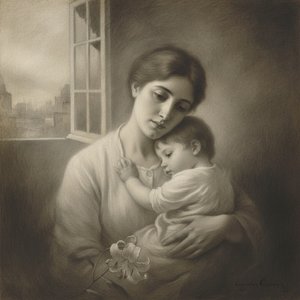
Eugène Carrière: The 'Peintre d'Âme' & Symbolist Portraiture’s Intimate Vision
Explore the haunting world of Eugène Carrière, a pivotal French Symbolist artist known for his deeply intimate portraits & 'peinture d'âme'. Discover his life, style, and lasting influence on modern masters like Picasso. Shop high-quality reproductions at OriginalUniqueArt.

The Enduring Legacy of Fine Art Prints: Technique, History & Aesthetic Impact
Explore the rich history & techniques of fine art prints. Discover investment potential, assess authenticity, and learn how to preserve your collection with expert guidance. Trusted insights for discerning collectors.

Giclée Prints: Archival Quality & Aesthetic Nuances for the Discerning Collector
Explore the world of giclée prints with OriginalUniqueArt. Learn about archival quality, aesthetic nuances & investment potential. Expert guidance for discerning art collectors seeking museum-quality reproductions and lasting value.