

 設置イメージを確認
 送る
送る シェア
シェア
 詳細情報
詳細情報 ガイドを表示

 画像をダウンロード
 似ている作品
 X線調査
X線調査 スライドショー
 統計情報
統計情報untitled (3545)

 続きを読む
続きを読む
このページに掲載されている作品は著作権法によって保護されており、当社の許可なく同一の複製物を制作または販売することは法律で禁じられています。この保護は、以下のような国際条約に基づき執行されます。 ベルヌ条約 および、以下の条項に定められたものを含む各国の法律により、 米国著作権法 第17編。
この手法は、著作権で保護された作品の複製や複写を伴わないため、著作権法に完全に準拠しています。これは単なる模倣ではなく、創造的な再解釈です。元の作品からインスピレーションを受けつつも、それとは異なる、全く新しい絵画を生み出すものです。
ジークレー/アートプリント
スピーディーな制作と多彩な仕上げオプションが魅力の、ミュージアムクオリティなジークレー・キャンバスプリント。 ( 手描きの複製画を注文する デジタル画像販売へ切り替え)




































作品のオリジナル比率に合わせた、当店の規定サイズからお選びください。

額縁や壁のスペースに合わせて、ご希望の幅と高さを入力してください。プリントはカットすることは可能ですが、元の画像より大きくすることはできないため、異なる比率のサイズを選択された場合は、画像の一部が欠けることになります。印刷を開始する前に、内容を確認していただくためのデジタルモックアップをお送りいたします。このページに表示されている画像は、実際のカット後の状態を示すものではありません。実際の仕上がりはモックアップにてご確認ください。


 ガラスオプションは、110cm未満のサイズでのみご利用いただけます。

untitled (3545)
ジークレー/アートプリント
複製画サイズ一覧
-


合計金額
¥ 12591
アーティストについて
夢の建築家:エルンスト・フックスの生涯とヴィジョン
エルンスト・フックス(1930–2015)は、単なる画家という枠組みを遥かに超えた存在でした。彼は彫刻、建築、音楽、そして詩の糸を織り合わせ、唯一無二の幻惑的な宇宙を創り上げた多角的なビジョナリーでした。歴史が大きく揺れ動く時代にウィーンで生まれたフックスは、戦後の荒廃の中から絶望ではなく、崇高なるものへの抑えきれない渇望を抱いて立ち上がりました。彼の旅は、触覚的な彫刻の世界から始まりました。この規律によって、形と実体に対する永遠の畏敬の念が彼の中に刻み込まれたのです。この初期の基盤があったからこそ、彼はキャンバスを単なる平らな表面としてではなく、建築的な奥行きと物理的な存在感を備えた空間として捉えることができました。そこでは、緻密に構築された夢の風景の中で、登場人物たちがまるで呼吸しているかのように生き生きと描き出されるのです。
フックスが遺したレガシーの核心は、ウィーン幻想写実主義派(Vienna School of Fantastic Realism)の創設の柱としての役割にあります。1946年、フリーデンスライヒ・フンデルトヴァッサーやアルルフ・ライナーといった巨匠たちと共に確立されたこの運動は、純粋な抽象画の無機質さを超え、極めて詳細で象徴的な現実を追求しました。ユング心理学における原型(アーキタイプ)の深淵や、錬金術が秘める変容の神秘に強く影響を受けたフックスは、深い美しさというレンズを通して、実存的な不安に向き合うために芸術を用いました。彼の作品はしばしば、物理的世界と精神世界の境界が絶え間なく曖昧になる、集合的無意識へと通じる窓のように感じられます。
ミッシュテクニークと光の習熟
フックスの傑作を真に際立たせているのは、ミッシュテクニーク(Mischtechnik)という技術的な魔術です。これはルネサンス期のグレージング技法を革命的に復活させたものでした。入念に準備された画面の上に半透明の釉薬を幾層にも重ねることで、彼は絵具そのものの中から放たれるような、内側から輝く光を捉えることに成功しました。この手法によって、光と影の繊細な相互作用を捕捉し、描かれた主題に超自然的な生命力を吹き込んだのです。表現主義的な作品に見られる肉感的で不安をかき立てる人物像であれ、より幻想的な構図における豪華絢爛で夢のようなモチーフであれ、その手の技術的な精密さは、一筆一筆が圧倒的なリアリズムへと寄与することを保証していました。
この卓越した技法は、彼の複雑な象徴言語を伝えるための完璧な器となりました。彼の絵画の中では、次のような要素に出会うことができます:
- 古典への暗示: 時を超越した感覚を呼び起こすために、ローマの遺跡やルネレンサンスの美学が統合されています。
- 生物学的な変容: 成長、衰退、そして再生というテーマを反映し、流動的な状態にあるかのように見える人物像です。
- 精神的な象徴主義:: シュルレアリスム的、かつしばしば神秘的な視点を通じて再構築された、宗教的イコノグラフィーへの深い関わりです。
石と精神に刻まれた遺産
フックスの創造的な衝動は、決してアトリエの中に閉じ込められていたわけではありません。彼の建築における試み、とりわけヒュットドルフにあるオットー・ワーグナー邸の修復は、自らの内なるヴィジョンを物理的な世界に具現化する彼の手腕を証明しました。この荒廃した建造物をエルンスト・フックス美術館へと変貌させることで、彼は自らが生涯をかけて記録してきた「魔法」そのもののための、永続的な聖域を作り上げたのです。この修復という行為は、彼の芸術哲学を鏡のように映し出していました。すなわち、現実の断片を拾い集め、それらを再構成して、超越的で完全なものへと昇華させるという哲学です。
その多作なキャリアを振り返るとき、エルンスト・フックスの歴史的な重要性が色あせることはありません。彼は、巨匠たちの古典的な伝統と、現代の心理学的な複雑さとの架け橋として存在しました。幻想写実主義への揺るぎない献身を通じて、彼は世界に対し、たとえ最も暗い時代であっても、人間の想像力には光と色彩、そして無限の驚異に満ちた天国を構築する力が備わっているのだということを思い出させてくれました。彼の作品は今もなお、目に見えるものと目に見えないものが交差する場所で生きた、ある人生の証として、私たちの心に深く刻まれ、インスピレーションを与え続けています。

エルンスト・フックス
1930 - 2015 , イタリア
アーティスト情報
- Artistic Movement Or Style: 幻想的リアリズム
- Artists Or Movements Influenced By This Artist:
- マックス・ペヒシュタイン
- ハインリヒ・カンペンドンク
- エドヴァルド・ムンク
- ヘンリー・ムーア
- Artists Who Influenced This Artist:
- グスタフ・クリムト
- エゴン・シーレ
- Date Of Birth: 1930年
- Date Of Death: 2015年
- Full Name: エルンスト・フックス
- Nationality: オーストリア
- Notable Artworks:
- 無題 (5591)
- 無題 (8257)
- 悲しみのロザリオ
- Place Of Birth: イタリア、ウィーン
関連記事

Romantic Realism's Finest: 10 Masterpieces for Your Home | OriginalUniqueArt
Explore 10 defining masterpieces of Romantic Realism! Discover Courbet, Millet & Daumier's powerful paintings—capturing emotion and social realities. Find museum-quality reproductions for your home at OriginalUniqueArt.com.

Ernst Fuchs: A Visionary of Fantastic Realism & His Enduring Legacy
Explore the captivating world of Ernst Fuchs & the Vienna School of Fantastic Realism. Discover his unique 'mischtechnik', iconic symbolism, and lasting influence on visionary art. Expert insights for collectors.

The Enduring Allure of the Nude: A Historical & Artistic Exploration of the Human Form
Explore the captivating history of nude art! Discover iconic paintings & artists from classical to modern eras. Uncover symbolism, techniques & find museum-quality reproductions at OriginalUniqueArt.
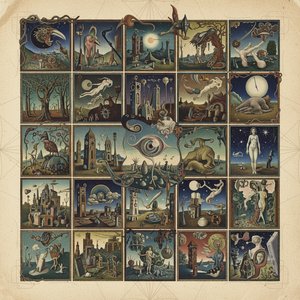
マックス・エルンスト傑作25選:シュルレアリスムの深淵と装飾への誘い
マックス・エルンストの傑作25選。シュルレアリスムを代表する画家、その夢と無意識の世界を描いた絵画や版画を紐解きます。リビングやオフィスに飾るモダンアート、インテリアに最適な作品を見つけませんか?OriginalUniqueArt.comで全コレクションをオンラインで探す。
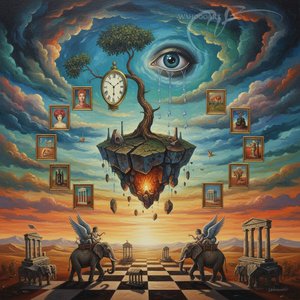
至高の芸術:シュルレアリスムを象徴する10選 – 夢と現実の境界線を超える
夢と現実が交差する、シュルレアリスムの10大傑作の世界へ。ダリ、マグリットなど巨匠たちの作品を深く探求し、アートの新たな次元を発見してください。OriginalUniqueArt.comで、至高の芸術をあなたの空間に取り入れましょう。