

 プレビュー
プレビュー
 シェアする
シェアする シェアする
シェアする
 詳細を見る
詳細を見る

 ダウンロード
 似ている作品
 X線調査
X線調査 スライドショー
 統計情報
統計情報Procession in the Mist


 詳細を見る
詳細を見る
ジークレー/アートプリント
迅速な制作と多彩な仕上げオプションを備えた、ミュージアムクオリティのジークレーまたはキャンバスプリント。 ( 手描きの絵画を購入 デジタル画像販売へ切り替え)




P118B $10

P118H $10

P118W $10

P438Z $10

P508JH $12

P508YH $12

P805H $10

P805Z $10

P919BZ $10

P919G $10

P919XJ $10

P959ZH $10

P968JZ $12

W106C $8

W218G $10

W218JH $8

W218Y $10

W307PJ $10

W316G $10

W316PJ $8

W316Y $10

W398PJ $8

W4111J $10

W500HY $15

W500JH $15

W692G $12

W849H $8

W940BG $15

W953PJ $8




作品のオリジナル比率に合わせた、当店の規定サイズからお選びください。

特定のフレームやスペースに合わせて、ご自身でサイズを指定することも可能です。選択されたサイズが元の画像の比率と一致しない場合、作品をトリミングするか、鏡面反射または単色での塗りつぶしによって画像を拡張いたします。制作を開始する前に、ご確認用のデジタルモックアップをお送りいたします。
画面上のプレビューには、実際のトリミングや拡張は反映されませんのでご注意ください。最終的な構図を正確に確認できるのは、モックアップのみとなります。
カスタムサイズも承っておりますが、元の比率を維持するためには、あらかじめ用意されたリストからサイズを選択することをお勧めいたします。


 ガラスオプションは、110cm未満のサイズでのみご利用いただけます。

Procession in the Mist
ジークレー/アートプリント
複製画のサイズ
-


合計金額
$ 80
A Vision in Mist: Ernst Ferdinand Oehme’s “Procession in the Fog”
Ernst Ferdinand Oehme's "Procession in the Fog," painted in 1828, is not merely a landscape; it’s an immersion into a realm of profound mystery and spiritual yearning. This evocative work, now meticulously reproduced for discerning collectors, transports the viewer to a twilight world where the boundaries between reality and dream blur, offering a glimpse into the Romantic sensibility that defined early 19th-century German art. Oehme, a master of atmospheric perspective and subtle tonal shifts, crafted this piece with an almost palpable sense of solemnity, inviting contemplation on themes of faith, pilgrimage, and the human condition’s inherent uncertainties.
The Scene Unfolds: Composition and Technique
The painting immediately draws the eye down a receding path, delineated by strong linear perspective that guides us toward a distant church steeple. This central axis is flanked by towering trees, their branches reaching like supplicating arms into the swirling mist. Oehme’s technique is characterized by a remarkable restraint – he eschews dramatic contrasts in favor of a nuanced grayscale palette built upon subtle gradations of black, white, and gray. The application of paint is remarkably smooth, creating an almost velvety texture that contributes to the ethereal quality of the scene. Notice how the artist skillfully uses light and shadow not to define form with sharp edges, but rather to suggest volume and depth through atmospheric diffusion. The mist itself isn’t simply a backdrop; it's actively sculpted by Oehme’s brush, creating pockets of clarity and obscuring details in a way that heightens the sense of distance and mystery.
Symbolism Woven into the Mist
The pervasive fog is arguably the painting’s most potent symbol. It represents not just physical obscurity but also the uncertainties of life, the veil that separates us from understanding, and perhaps even a spiritual quest for enlightenment. The procession itself – a line of figures moving towards the steeple – speaks to themes of faith, pilgrimage, and the collective journey toward something greater than oneself. The church steeple, a traditional symbol of hope and salvation, pierces through the mist, offering a beacon in the darkness. It’s a powerful visual metaphor for guidance and spiritual direction, suggesting that even amidst confusion and doubt, there is always a path forward.
Romantic Roots and Artistic Context
“Procession in the Fog” firmly resides within the Romantic movement, an artistic and intellectual current that prioritized emotion, imagination, and the sublime. Artists like Oehme were deeply influenced by the writings of philosophers such as Immanuel Kant, who explored the concept of the “sublime”—experiences that evoke awe and a sense of our own insignificance in the face of nature’s grandeur. Oehme's work reflects this fascination with the power of landscape to inspire both terror and reverence. He was part of a circle of artists closely associated with Caspar David Friedrich, another key figure in German Romanticism, sharing a similar interest in capturing the emotional impact of natural settings. The painting’s somber mood and focus on spiritual themes align perfectly with the movement's exploration of human experience beyond the purely rational.
Today, “Procession in the Fog” continues to resonate with viewers through its haunting beauty and profound symbolism. Its meticulous reproduction allows you to bring this evocative masterpiece into your home or office, transforming any space into a sanctuary of contemplation and artistic inspiration.
アーティストの略歴
ジョセフ・ライト・オブ・ダービー:産業革命の時代を照らす光
18世紀のイギリスにおいて、劇的な光の演出と、胎動する産業の情景を語る上で、ジョセフ・ライト・オブ・ダービーの名は欠かすことができません。彼は単なる画家ではありませんでした。その時代の変遷を克明に描き出した「視覚的な記録者」だったのです。1734年にダービーで生まれたライトの人生は、産業革命という急速な社会・経済的変化の渦中にありました。彼は、その劇的な変容を情緒豊かなキャンバスへと見事に定着させました。ロンドンでハドソンに師事して研鑽を積んだ後、ライトは故郷のダービーシャーへと戻り、独自のスタイルと主題で知られるスタジオを確立しました。彼のキャリアは、華々しい王室の依頼や宮廷肖像画に彩られたものではありませんでした。むしろ、自身の周囲で展開される人々の生活や出来事に焦りと鋭い洞察を向け、社会への批評的な眼差しを持ってそれらを記録することに情熱を注いだのです。初期の歩みと芸術的修練
ライトの幼少期については、今なおいくらか謎に包まれていますが、ロンドンにおいて王立アカデミーに関連する著名な肖像画家、トーマス・ハドソンのもとで最初の芸術教育を受けたことは確かです。この時期に培われた伝統的な技法と主題への理解は、彼の揺るぎない基礎となりました。しかし、ライトの真の芸術的声が響き始めたのは、彼がダービーへと帰還した時でした。彼はオランダの巨匠たち、特に明暗の劇的な対比を生み出す「キアロスクーロ(明暗法)」の手法に深い影響を受けましたが、やがて独自のスタイルを確立していきます。ダイナミックな構図、緻密な細部へのこだわり、そして一瞬の動きや感情を捉えようとする情熱。初期の肖像画に見られる人物の性格や表情を描き出す卓越した技術は、後に彼が挑むことになる、より複雑で深遠なテーマへの序曲となったのです。「産業風景画」の台頭
ライトの最も名高い作品群は、間違いなくミッドランズ地方で活発化した産業活動を描いた「産業風景画」です。これらの作品は、決して進歩を美化して描いたロマン主義的なものではありませんでした。むしろ、工場労働の実態、鉱山での作業、そして科学実験の光景を、ニュアンスに富んだ、時には不安をかき立てるようなリアリズムをもって描き出しています。その代表格が、おそらく彼の最も有名な傑作である『エアポンプの中の鳥の実験』(1768年)でしょう。科学者がエアポンプの中で鳥を観察の対象とするこの絵画は、科学的探究心の高まりと、同時にそこに潜む搾取や苦痛の可能性を鮮烈に描き出しています。劇的な光の演出、登場人物たちの強烈な表情、そして閉塞感漂う設定のすべてが、この作品に圧倒的なインパクトを与えています。他にも、炭鉱での事故後に屠殺される馬の悲劇を描いた『屠殺された馬』(1785年)や、初期の熱気球探検への興奮を捉えた『ショー氏の気球遠足』(1786年)など、特筆すべき作品が数多く存在します。影響と芸術的スタイル
ライトの芸術的スタイルは驚くほど折衷的であり、多種多様な源泉からインスピレーションを得ていました。前述の通り、彼はレンブラントやフェルメールといったオランダの巨匠たちが操る光と影の技法に敬意を払っていました。また、当時の版画家たちの作品も研究しており、それが細部への緻密なこだわりや、複雑な情景を正確に描き出す能力に影響を与えたと考えられます。さらに、ライトの作品は、啓蒙主義の台頭や科学・産業への関心の高まりといった、当時の知的風潮によって深く形作られました。ダービーで定期的に集まっていた科学者、哲学者、実業家のグループ「ルナール・ソサエティ(月光協会)」は、彼の画題の重要な源泉となりました。彼らを通じて最新の科学的発見に触れることができ、イノベーションの精神を反映した主題を得ることができたのです。テネブリズム(強烈な明暗対比)を用いた技法と、構図を見極める鋭い眼差し、そして被写体の心理的な緊張感を捉える能力は、彼を同時代の画家たちから際立たせる要素となりました。遺産と歴史的意義
ジョセフ・ライト・オブ・ダービーがイギリス美術に果たした貢献は計り知れません。彼は、主題と技法の革新的なアプローチによって広く認められた、最初期のイギリス人画家の一人でした。彼の絵画は、18世紀のイギリスにおける社会、経済、そして知的な風景を覗き見るための比類なき窓であり、劇的な変革期を驚くべき感受性と洞察力をもって記録しています。ライトの作品は、進歩への賛歌として、あるいは産業による搾取への批判として、あるいは単なる日常の記録として、さまざまな解釈がなされてきました。どのような解釈であれ、彼の絵画は今なお強烈な情緒を湛え、現代の観る者の心に響き続けています。彼は現在、近代生活の複雑さを捉えようとした後世の芸術家たちの道を切り拓いた、イギリス美術発展における極めて重要な人物として高く評価されています。その遺産は、素晴らしい名画を通じてだけでなく、産業革命が社会に与えた影響を私たちが理解する上での、永遠の指標として生き続けているのです。
エルンスト・フェルディナント・エーメ
1797 - 1855 , ドイツ
基本情報
- Artistic Movement Or Style: ロマン主義、新古典主義
- Artists Or Movements Influenced By This Artist:
- ハドソン派
- ロマン主義
- Artists Who Influenced This Artist:
- ジャニス・ゼドレス
- レンブラント
- Date Of Birth: 1734年9月3日
- Date Of Death: 1797年8月29日
- Full Name: ジョセフ・ライト・オブ・ダービー
- Nationality: イギリス
- Notable Artworks:
- 空気ポンプの中の鳥の実験
- 屠殺された馬
- 死にゆく男
- Place Of Birth: イングランド、ダービー
関連記事

Evocations of Place: A Historical Journey Through Landscape Art
Explore the rich history of landscape art with OriginalUniqueArt. Discover renowned artists, movements like Impressionism & Romanticism, and expert guidance for collecting timeless pieces. Find your perfect serene escape today!

ジョン・コンスタブルの傑作25選:英国風景画の巨匠が描く自然と光の詩 | OriginalUniqueArt
ジョン・コンスタブルの傑作25選。英国風景画の巨匠が描く自然と光の詩の世界へ。ロマン主義を代表する絵画、デダム・ヴェールやヘイ・ウェインなど、OriginalUniqueArtで高品質なアートプリントをお楽しみください。インテリアに深みと感動を。コレクションはこちら。

Evocations of Place: A Historical Journey Through Landscape Art
Explore the rich history of landscape art with OriginalUniqueArt. Discover renowned artists, movements like Impressionism & tonalism, and expert guidance for collecting timeless pieces. Find your perfect serene escape today!

ロマン派ランドスケープ:時代を彩る巨匠の10選|アートとインテリアの世界
ロマン派絵画の時代を彩る10選。巨匠たちの風景が織りなす感動の世界へ。ターナー、ルーベンスなど、名作の裏話と高精細複製でアートをお部屋に。OriginalUniqueArt.comで至福のアート体験を。
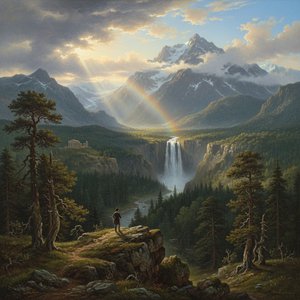
Evoking Nature's Sublime: A Comprehensive Exploration of 19th-Century Landscape Painting
Explore the captivating world of 19th-century landscape painting! Discover renowned artists like Friedrich & Monet, key movements, and find the perfect artwork to bring nature's serenity into your home. Expert insights at OriginalUniqueArt.
