 設置イメージを表示
 シェアする
シェアする シェアする
シェアする
 詳細を見る
詳細を見る ガイドを表示

 ダウンロード
 似ている作品
 X線調査
X線調査 スライドショーを表示
 Q&A
Q&A 統計情報
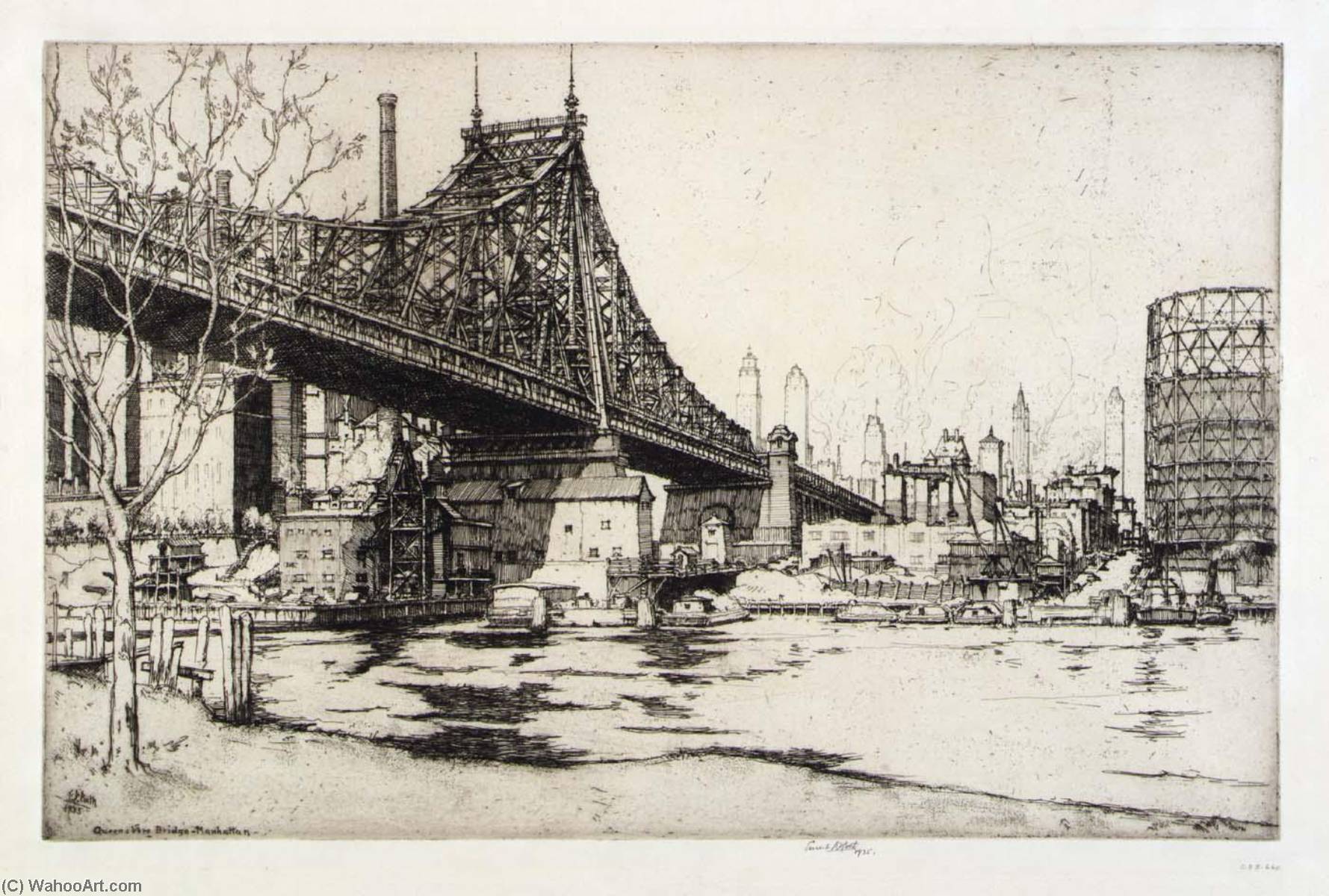
統計情報Queensboro Bridge, Manhattan

- 25.0 x 38.0 cm

 詳細を表示
詳細を表示
このページに掲載されている作品は著作権法によって保護されており、当社の許可なく同一の複製物を制作または販売することは法律で禁じられています。この保護は、以下のような国際条約に基づき執行されます。 ベルヌ条約 および、以下の条項に定められたものを含む各国の法律により、 米国著作権法 第17編。
この手法は、著作権で保護された作品の複製や複写を伴わないため、著作権法に完全に準拠しています。これは単なる模倣ではなく、創造的な再解釈です。元の作品からインスピレーションを受けつつも、それとは異なる、全く新しい絵画を生み出すものです。
ジークレー/アートプリント
スピーディーな制作と多彩な仕上げオプションが魅力の、ミュージアムクオリティなジークレー・キャンバスプリント。 ( 手描き複製画を注文する デジタル画像販売へ切り替え)




































作品のオリジナル比率に合わせた、当店の規定サイズからお選びください。

額縁や壁のスペースに合わせて、ご希望の幅と高さを入力してください。プリントはカットすることは可能ですが、元の画像より大きくすることはできないため、異なる比率のサイズを選択された場合は、画像の一部が欠けることになります。印刷を開始する前に、内容を確認していただくためのデジタルモックアップをお送りいたします。このページに表示されている画像は、実際のカット後の状態を示すものではありません。実際の仕上がりはモックアップにてご確認ください。


 ガラスオプションは、110cm未満のサイズでのみご利用いただけます。

Queensboro Bridge, Manhattan
ジークレー/アートプリント
複製画サイズ一覧
-


合計金額
¥ 12808
Artistic Style and Technique
Ernest D. Roth's use of etching as a medium allows for a level of intricacy and depth that is unparalleled in other forms of art. The Queensboro Bridge, Manhattan etching showcases the artist's mastery of this technique, with delicate lines and shading that bring the scene to life. The level of detail is impressive, from the intricate architecture of the bridge to the bustling activity of the boats and people in the foreground. Key Features of the etching include:- The iconic Queensboro Bridge spanning the width of the picture
- Several boats floating along the river below the bridge
- People scattered throughout the scene, enjoying the view or going about their daily activities
Historical Significance
The Queensboro Bridge, Manhattan etching is not only a beautiful piece of art but also a historical snapshot of New York City in the 1930s. The bridge, which was completed in 1909, was a major engineering feat and a symbol of the city's growth and development. Ernest D. Roth's etching captures the essence of this iconic landmark and provides a glimpse into the daily life of New Yorkers during this period. For more information on Ernest D. Roth and his works, visit /art/list/?Filter=AQTHTE-Ernest-D-Roth-Queensboro-Bridge-Manhattan. To learn more about the Smithsonian American Art Museum, visit https://en.wikipedia.org/wiki/Smithsonian_American_Art_Museum.The Queensboro Bridge, Manhattan etching is a must-see for art lovers and history enthusiasts alike. Its beauty, intricacy, and historical significance make it a truly unique and captivating piece of art.
Q&A
「Queensboro Bridge, Manhattan」の油彩複製画を注文することはできますか?
「Queensboro Bridge, Manhattan」は、リネンキャンバスに手描きされた油彩複製画としてお求めいただけます。ご注文は手描き油彩複製画のページにて、お好みのサイズをお選びいただけます。
「Queensboro Bridge, Manhattan」をフルスクリーンのスライドショーで鑑賞することはできますか?
「Queensboro Bridge, Manhattan」のスライドショーは、作品のスライドショーページでご覧いただけます。
Ernest D Roth作「Queensboro Bridge, Manhattan」の配色はどのように表現されていますか?
「Queensboro Bridge, Manhattan」の色調は、Neutralsなパレットで構成されています。この分類は、主要な色相のグループを表しています。
作家プロフィール
Ernest D. Roth: A Pioneer of Parisian Academic Realism
Ernest D. Roth (1879 – 1964) stands as a significant figure in the landscape of late nineteenth-century French art, particularly renowned for his unwavering dedication to academic realism and his celebrated success within the Parisian Salon circuit. Born in Paris, Roth’s artistic journey began amidst the burgeoning Impressionist movement, yet he resolutely pursued a path distinct from its stylistic explorations—a commitment that cemented his place as one of the foremost practitioners of traditional technique and subject matter during his era.- Early Life & Education: Roth received his formative artistic training at the École Supérieure des Beaux-Arts in Paris, where he honed his skills under influential instructors who championed classical principles of composition and draughtsmanship. This grounding in academic tradition would profoundly shape his subsequent artistic endeavors.
- Salon Successes: Roth’s career gained considerable momentum through his consistent participation in the Salon exhibitions held annually by the Société Nationale des Beaux-Arts. His meticulously rendered landscapes, portraits, and architectural studies garnered critical acclaim and established him as a respected artist within Parisian intellectual circles. Notably, his etching of Riverside Church, completed in 1930, exemplifies his masterful command of drypoint technique—a testament to his unwavering adherence to classical artistic standards.
Style & Technique: Embracing Classical Precision
Roth’s artistic style is characterized by an uncompromising devotion to academic realism – a stylistic approach that prioritizes accurate representation and meticulous detail. Unlike the Impressionists who sought to capture fleeting moments of light and atmosphere, Roth meticulously studied his subjects, employing precise draughtsmanship and tonal gradations to convey their form and texture with remarkable fidelity. His favored medium was etching, specifically drypoint—a technique demanding exceptional control over linework and requiring painstaking preparation of the plate surface. This meticulous process resulted in prints imbued with a subtle luminescence and textural richness that distinguished them from more ephemeral artistic expressions.- Drypoint Technique: Roth’s mastery of drypoint involved incising lines into a copper plate using a stylus, creating a textured surface that would absorb ink during printing. This technique allowed for nuanced tonal variations and produced prints possessing an unparalleled level of detail—a hallmark of his oeuvre.
- Subject Matter Preferences: While influenced by the Impressionist aesthetic, Roth consistently focused on subjects rooted in classical tradition – landscapes depicting serene vistas of France’s countryside, portraits capturing dignified expressions of human character, and architectural renderings showcasing monumental buildings with meticulous accuracy.
Notable Works & Artistic Legacy
Roth's artistic output comprises a substantial collection of etchings and lithographs that continue to resonate with collectors and art historians alike. Among his most celebrated pieces are “Our Neighbor’s Yard” (1916), an evocative depiction of Parisian urban life rendered in exquisite detail, and "A Quiet Canal" (circa 1920), which captures the tranquil beauty of a riverside scene with understated elegance. These artworks serve as enduring reminders of Roth's commitment to classical realism and his ability to convey profound emotional depth through masterful draughtsmanship.- “Our Neighbor’s Yard”: This etching exemplifies Roth’s meticulous observation of everyday life, capturing the subtle nuances of light and shadow within a domestic setting.
- “A Quiet Canal”: Demonstrating Roth's sensitivity to atmospheric conditions, this print portrays a serene canal scene bathed in soft sunlight—a testament to his artistic vision.
Historical Significance & Influence
Ernest D. Roth’s unwavering dedication to academic realism positioned him as a counterpoint to the dominant Impressionist movement of his time – an artist who championed tradition while simultaneously acknowledging the influence of contemporary artistic trends. His Salon successes solidified his reputation as one of Paris's most respected artists, ensuring that his legacy would endure for generations to come. Furthermore, Roth’s meticulous technique and unwavering commitment to classical principles continue to inspire artists today, demonstrating the enduring relevance of traditional artistic approaches in capturing beauty and conveying emotion.
Ernest D Roth
1879 - 1964
プロフィール概要
- Artistic Movement Or Style: Academic Realism
- Artists Or Movements Influenced By This Artist: ['École de Barbizon']
- Artists Who Influenced This Artist:
- Jean-Léon Gerhardt
- William Harnett
- Date Of Birth: 1879
- Date Of Death: 1964
- Full Name: Ernest Hébert
- Nationality: French
- Notable Artworks:
- La Païva
- Riverside Church
- Place Of Birth: Paris, France