

 プレビュー
プレビュー
 プリントを購入
 シェアする
シェアする シェアする
シェアする
 詳細を見る
詳細を見る

 ダウンロード
 似ている作品
 X線調査
X線調査 スライドショー
Calligraphy: "Happiness"


 詳細を見る
詳細を見る




































作品のオリジナル比率に合わせた、当店の規定サイズからお選びください。

特定のフレームやスペースに合わせて、ご希望のサイズをご入力いただけます。選択されたサイズが元の画像の比率と異なる場合、アートワークをトリミングするか、手描きで要素を追加して絵画を拡張いたします。デジタルモックアップ を制作し、制作開始前にご確認(承認)をいただきます。
画面上のプレビューは、実際のトリミングや拡張を正確に反映しているものではありません。最終的な構図は、モックアップによってのみ正確にご確認いただけます。
カスタムサイズもご利用いただけますが、元の比率を維持するためには、あらかじめ用意されたリストからサイズを選択することをお勧めいたします。
ご注文後、OriginalUniqueArt.com チームより詳細な指示をお送りするとともに、仕上がりイメージ(モックアップ)をご提供いたします。


 ガラスオプションは、110cm未満のサイズでのみご利用いただけます。

Calligraphy: "Happiness"
複製技法
複製画のサイズ
-


合計金額
$ 300
アーティストの略歴
Empress Dowager Cixi: A Reign Defined by Power and Transformation
Empress Dowager Cixi (1835-1908) stands as one of the most formidable figures in Chinese history—a woman who wielded absolute authority over the Qing Dynasty for nearly half a century, reshaping its trajectory toward modernity amidst turbulent political upheaval. Born Yehe Nara Xingzhen, she ascended to prominence through strategic marriage and shrewd political maneuvering, becoming a pivotal force in safeguarding imperial China against internal dissent and external aggression. Her legacy continues to fascinate historians and artists alike, prompting ongoing debate about her motivations and impact on the nation’s destiny.- Early Life & Marriage: Cixi's origins lay within the Manchu Bordered Yellow Banner Niohuru clan, a lineage deeply entrenched in Qing imperial governance. Her marriage to Xianfeng Emperor Gaozong was orchestrated as part of a calculated diplomatic alliance, securing stability for the dynasty at a time of considerable vulnerability. Despite facing societal constraints typical of her era, Cixi demonstrated exceptional intelligence and ambition—qualities that would prove instrumental in shaping her future role.
- The Ascension to Power: Following Xianfeng’s death in 1861, Cixi skillfully navigated the ensuing succession crisis, orchestrating a coup alongside Empress Dowager Ci'an—a move that ousted rival regents and cemented her dominance. This decisive action established her as co-regent with Ci'an, marking the beginning of an era characterized by centralized control and unwavering determination.
- Consolidation & Modernization Efforts: Cixi’s reign witnessed a remarkable transformation—the suppression of rebellions like the Taiping Rebellion and the Nian Rebellion, alongside ambitious initiatives to modernize China's military, economy, and education system. While these reforms were often driven by pragmatic considerations rather than idealistic visions, they undeniably propelled China toward engagement with the Western world.
- Katharine Augusta Carl’s Portrait: Recognizing the importance of bolstering her image abroad, Cixi commissioned American artist Katharine Augusta Carl to create a monumental portrait—a striking depiction capturing both regal dignity and an unsettling hint of latent ferocity. This artwork served as a deliberate symbol of Cixi's ambition to portray herself as a protector of China’s interests.
- Legacy & Historical Significance: Despite criticisms regarding her autocratic tendencies and suppression of dissent, Empress Dowager Cixi undeniably presided over the final chapter of Qing rule—a period marked by significant geopolitical shifts. Her actions profoundly influenced the trajectory of 20th-century China, shaping its relationship with Western powers and ultimately contributing to the dynasty’s downfall in 1912.
Artistic Expression: Calligraphy & Painting – Reflections of Imperial Vision
Cixi's artistic pursuits—primarily calligraphy and painting—offer invaluable insights into her worldview and intellectual sensibilities. Her devotion to the art form wasn’t merely a pastime; it represented a deliberate strategy for cultivating prestige and projecting an image of benevolent leadership. Notably, she produced “Happiness,” a captivating black ink calligraphy piece showcasing dynamic brushwork and tranquil energy – a testament to her artistic skill and symbolic intent. This artwork exemplifies Cixi's desire to convey harmony and stability—values central to her governance.- Calligraphy’s Significance: Calligraphy held immense cultural importance in Qing China, symbolizing moral virtue and imperial authority. Cixi’s mastery of the art form underscored her commitment to upholding Confucian ideals—a cornerstone of Qing ideology.
- The Plum Blossom Motif: Her paintings frequently featured plum blossoms—a symbol of resilience and perseverance amidst adversity—reflecting her unwavering determination in safeguarding China's interests during times of crisis. The meticulous detail and expressive brushstrokes conveyed a profound appreciation for beauty and harmony.
Notable Artwork: Copying the Painting of Plum Blossom and a Pair of Magpies by Tang Zhengzhong
Cixi’s artistic endeavors extended beyond mere aesthetic contemplation; she actively engaged in replicating celebrated artworks—a practice considered honorable among Qing imperial artists. Her rendition of “Copying the Painting of Plum Blossom and a Pair of Magpies” by Tang Zhengzhong exemplifies her dedication to preserving cultural heritage while simultaneously demonstrating her own artistic prowess. This piece serves as tangible evidence of Cixi’s engagement with traditional Chinese art traditions.Concluding Reflections: An Icon of Imperial Power
Empress Dowager Cixi remains an enduring symbol of imperial China—a woman whose reign irrevocably altered the nation's course. Her artistic pursuits—particularly her calligraphy and painting—provide a window into her complex character—a blend of regal dignity, shrewd intellect, and unwavering resolve. Through her art, Cixi sought to embody the virtues of leadership—harmony, stability, and resilience—leaving an indelible mark on Chinese history and inspiring ongoing scholarly debate about her legacy.
empress dowager cixi
1835 - 1908 , China
基本情報
- Artistic Movement Or Style: Imperial Painting
- Artists Or Movements Influenced By This Artist: ['Tang Zhengzhong']
- Artists Who Influenced This Artist: ['Katharine Augusta Carl']
- Date Of Birth: November 29, 1835
- Date Of Death: November 15, 1908
- Full Name: Empress Dowager Cixi
- Nationality: Chinese
- Notable Artworks:
- Happiness
- Copying the Painting of Plum Blossom and a Pair of Magpies
- Place Of Birth: Beijing, China
関連記事
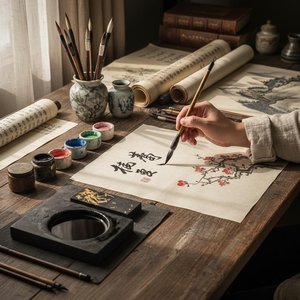
The Alchemy of Ink: Mastering the Timeless Beauty and Art History of Paper and Brush
Embark on a sophisticated exploration of ink wash painting and Sumi-e. Uncover the profound historical lineages, Zen philosophies, and technical mastery behind this timeless medium in our authoritative guide for fine art enthusiasts.

Ephemeral Expressions: Exploring the Nuances of Ink on Paper Through History & Contemporary Art
Explore the captivating world of ink wash painting – from its ancient origins to contemporary masters. Discover techniques, symbolism & conservation insights with OriginalUniqueArt.com.

Timeless Elegance: Discovering the Soulful Beauty of Chinese Calligraphy for Sophisticated Home Interiors
Elevate your home with the serene beauty of Chinese calligraphy art. Explore our collection of hand-painted ink wash reproductions and bespoke commissions at OriginalUniqueArt.com. Discover museum-quality pieces designed to bring cultural elegance and tranquility to your modern interior.
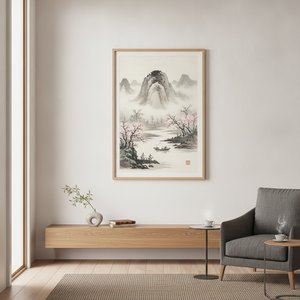
The Beauty of Ink Wash: Discover Serene & Soulful Art for Your Home
Discover the tranquil beauty of ink wash painting. Explore how Sumi-e and monochrome landscapes bring Zen-inspired serenity and soulful elegance to your home decor through expert curation and timeless East Asian aesthetics.
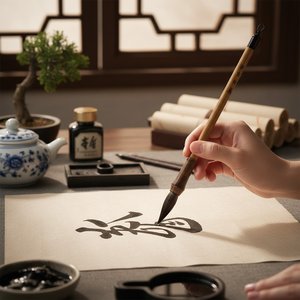
The Timeless Beauty of Chinese Calligraphy: An Exploration of Ink, Spirit, and the Art of the Brush
Embark on a profound journey through the soul of Chinese calligraphy. Explore the historical mastery of ink, brush, and script, from ancient Zhuanshu to elegant running script, and discover how this timeless art form reflects the enduring spirit of classical East Asian aesthetics.

