

 プレビュー
プレビュー
 プリントを購入
 シェアする
シェアする シェアする
シェアする
 詳細を見る
詳細を見る

 ダウンロード
 似ている作品
 X線調査
X線調査 スライドショー
Mural

 詳細を見る
詳細を見る




































作品のオリジナル比率に合わせた、当店の規定サイズからお選びください。

特定のフレームやスペースに合わせて、ご希望のサイズをご入力いただけます。選択されたサイズが元の画像の比率と異なる場合、アートワークをトリミングするか、手描きで要素を追加して絵画を拡張いたします。デジタルモックアップ を制作し、制作開始前にご確認(承認)をいただきます。
画面上のプレビューは、実際のトリミングや拡張を正確に反映しているものではありません。最終的な構図は、モックアップによってのみ正確にご確認いただけます。
カスタムサイズもご利用いただけますが、元の比率を維持するためには、あらかじめ用意されたリストからサイズを選択することをお勧めいたします。
ご注文後、OriginalUniqueArt.com チームより詳細な指示をお送りするとともに、仕上がりイメージ(モックアップ)をご提供いたします。


 ガラスオプションは、110cm未満のサイズでのみご利用いただけます。

Mural
複製技法
複製画のサイズ
-


合計金額
$ 425
アーティストの略歴
Emilio Sala y Frances: A Master of Spanish Portraiture and Romantic Realism
Born in Alcoy, Spain, in 1850, Emilio Sala y Frances emerged as a significant figure in late 19th-century Spanish art. His life was inextricably linked to the vibrant artistic scene of Valencia and Madrid, where he honed his skills under the tutelage of his cousin, Plácido Francés y Pascual, and later benefited from studies at the prestigious Real Academia de Bellas Artes de San Carlos in Valencia. Sala’s career unfolded against a backdrop of evolving artistic styles – moving from academic realism to the burgeoning influences of Romanticism and Symbolism, culminating in a distinctive approach characterized by nuanced observation and a profound understanding of human emotion.
Early training with his cousin instilled in Sala a solid foundation in traditional techniques. However, it was his time in Madrid that truly shaped his artistic vision. The city’s bustling cultural landscape exposed him to diverse influences and provided opportunities for experimentation. He quickly established himself as a portraitist of considerable skill, capturing the elegance and social standing of his subjects with remarkable detail. His early works, showcased at the National Exhibition of Fine Arts in Valencia, demonstrated an aptitude for depicting formal portraits, showcasing a nascent talent for capturing likeness and conveying personality.
The Rise of a Master: Portraits and Genre Scenes
Sala’s artistic trajectory shifted dramatically following his experience at the Spanish Academy in Rome. Disappointed by the reception of his historical painting, “Expulsion of the Jews from Spain,” he abandoned that subject matter and turned towards more intimate and emotionally resonant themes – primarily genre scenes and portraits. This decision marked a pivotal moment in his career, allowing him to explore a wider range of subjects and develop a uniquely personal style. His portraits weren’t merely representations of physical appearance; they were carefully constructed narratives revealing the inner lives and social contexts of his sitters.
His work during this period is characterized by a masterful use of light and shadow, creating dramatic contrasts that heighten emotional impact. The painting “Muchacha” exemplifies this approach – a captivating study of a young woman rendered in muted tones with loose brushwork, conveying a sense of contemplative melancholy. Similarly, his portrait of a man, "Retrato de Hombre," showcases a dignified subject bathed in somber light, reflecting the weight of experience and wisdom. These works demonstrate Sala’s ability to infuse ordinary subjects with extraordinary depth and meaning.
Influences and Artistic Development
Sala's artistic development was undoubtedly influenced by several key figures and movements. The academic traditions instilled by his cousin provided a solid grounding in technique, while the vibrant art scene of Madrid exposed him to the innovations of Impressionism and Symbolism. However, Sala’s style remained firmly rooted in Spanish Realism, characterized by meticulous observation, detailed rendering, and a focus on capturing the nuances of human expression. He was particularly drawn to the works of Gustave Courbet and Jean-François Millet, whose emphasis on depicting everyday life and social realities resonated with his own artistic sensibilities.
Furthermore, Sala’s time in Paris proved transformative. He immersed himself in the city's thriving art world, encountering artists like Camille Pissarro and Edgar Degas, who influenced his approach to composition and color. The experience broadened his perspective and encouraged him to experiment with new techniques and subject matter. His later works reflect this newfound openness, incorporating elements of Impressionistic brushwork and a greater emphasis on capturing fleeting moments of beauty.
Legacy and Historical Significance
Emilio Sala y Frances died in Madrid in 1910, leaving behind a significant body of work that continues to be admired for its technical skill, emotional depth, and artistic originality. His portraits are particularly noteworthy for their ability to capture the essence of his subjects – revealing not only their physical appearance but also their inner lives and social contexts. He played a crucial role in shaping the development of Spanish portraiture during the late 19th century, establishing a new standard of excellence that influenced generations of artists.
Beyond his individual achievements, Sala’s career is intertwined with the broader cultural history of Spain. His work reflects the social and political changes taking place during a period of rapid modernization and industrialization. His depictions of everyday life offer valuable insights into the lives of ordinary people – providing a window into the past and reminding us of the enduring power of art to illuminate human experience. Today, his paintings are housed in prominent museums throughout Spain, ensuring that his legacy as one of the country’s most important portraitists will continue to endure.

emilio sala y frances
1850 - 1910 , Spain
基本情報
- Artistic Movement Or Style: Portraiture, Genre
- Artists Or Movements Influenced By This Artist: ['Realism']
- Artists Who Influenced This Artist: ['Plácido Francés']
- Date Of Birth: January 20, 1850
- Date Of Death: April 14, 1910
- Full Name: Emilio Sala y Frances
- Nationality: Spanish
- Notable Artworks:
- Los Reyes Catolicos
- Muchacha
- Retrato de Hombre
- Place Of Birth: Alcoy, Spain
関連記事

The Enduring Power of Painting: A Historical & Contemporary Exploration of Form and Emotion
Explore the rich history & enduring techniques of oil painting with OriginalUniqueArt. Discover masterpieces, learn about art collecting, and find authentic handmade reproductions crafted by skilled artists.
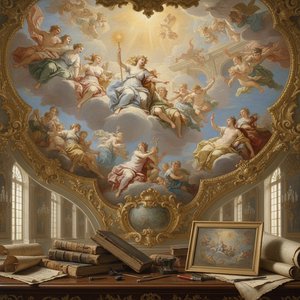
Giambattista Tiepolo: A Rococo Master's Legacy of Light & Illusion
Explore the captivating world of Giambattista Tiepolo, master of Rococo art. Discover his innovative techniques, iconic frescoes, and lasting influence on Italian painting. A guide for discerning collectors.
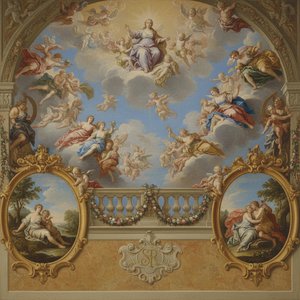
Sebastiano Ricci: Venetian Master of Baroque Illusionism & Rococo Grace
Explore the captivating world of Sebastiano Ricci, a leading Venetian Baroque painter renowned for his luminous frescoes & illusionistic masterpieces. Discover his life, techniques, and lasting influence on art history.

Bridging Centuries: Digital Visualization & Classical Oil Painting Techniques in Contemporary Art Commissioning
Discover the art of commissioning bespoke oil paintings blending classical techniques with modern digital precision. Expert artists, personalized service & museum-quality results. Invest in a timeless masterpiece today.
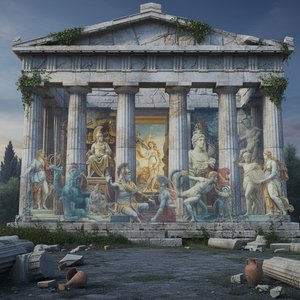
Echoes of Olympus: Mythological Narratives in Western Art Through the Ages
Explore the captivating history of mythological narratives in Western art! From ancient Greece to modern masterpieces, discover iconic artworks & symbolism. Expert analysis and high-quality reproductions at OriginalUniqueArt.

