

 設置イメージを確認
 送る
送る シェア
シェア
 詳細情報
詳細情報 ガイドを表示

 画像をダウンロード
 似ている作品
 X線調査
X線調査 スライドショー
 統計情報
統計情報[Lady
 Acrylic On Canvas
- WallArt
- Expressionist Nature
 1922
1922 47.0 x 35.0 cm
 MAM Rio
 続きを読む
続きを読む
ジークレー/アートプリント
スピーディーな制作と多彩な仕上げオプションが魅力の、ミュージアムクオリティなジークレー・キャンバスプリント。 ( 手描きの複製画を注文する デジタル画像販売へ切り替え)




P118B ¥10

P118H ¥10

P118W ¥10

P438Z ¥10

P508JH ¥12

P508YH ¥12

P805H ¥10

P805Z ¥10

P919BZ ¥10

P919G ¥10

P919XJ ¥10

P959ZH ¥10

P968JZ ¥12

W106C ¥8

W218G ¥10

W218JH ¥8

W218Y ¥10

W307PJ ¥10

W316G ¥10

W316PJ ¥8

W316Y ¥10

W398PJ ¥8

W4111J ¥10

W500HY ¥15

W500JH ¥15

W692G ¥12

W849H ¥8

W940BG ¥15

W953PJ ¥8




作品のオリジナル比率に合わせた、当店の規定サイズからお選びください。

額縁や壁のスペースに合わせて、ご希望の幅と高さを入力してください。プリントはカットすることは可能ですが、元の画像より大きくすることはできないため、異なる比率のサイズを選択された場合は、画像の一部が欠けることになります。印刷を開始する前に、内容を確認していただくためのデジタルモックアップをお送りいたします。このページに表示されている画像は、実際のカット後の状態を示すものではありません。実際の仕上がりはモックアップにてご確認ください。


 ガラスオプションは、110cm未満のサイズでのみご利用いただけます。

[Lady
ジークレー/アートプリント
複製画サイズ一覧
-


合計金額
¥ 12591
A Portrait of Quiet Intensity: Emil Nolde’s “Lady”
Emil Nolde's "Lady," painted in 1922, isn’t merely a portrait; it’s a distilled essence of introspection and subtle power. Executed in watercolor on paper, the work immediately possesses a captivating vintage quality – a delicate softness that belies the profound emotional depth contained within its simple composition. The painting depicts a woman, her features rendered with an almost hesitant delicacy, yet imbued with a remarkable stillness. Her gaze, directed slightly off-center, invites the viewer into a private world, fostering a sense of intimate observation rather than straightforward representation.
Nolde’s style at this period – roughly midway through his career – is characterized by an expressive use of color and a willingness to depart from photographic realism. He wasn't interested in capturing a likeness; instead, he sought to convey mood and feeling. The palette here is restrained yet luminous: muted blues and greens dominate, punctuated by the warm blush of her dress and the delicate pink of a flower nestled within her hair. This careful orchestration of color contributes significantly to the painting’s overall atmosphere – one of quiet contemplation and understated elegance.
The Echoes of Expressionism and Folk Art
To understand “Lady,” it's crucial to situate it within the broader context of Nolde’s artistic development. He was a key figure in Die Brücke (The Bridge), an early German Expressionist group that rejected academic traditions in favor of subjective experience and emotional intensity. However, unlike some of his fellow Brücke members, Nolde retained a strong connection to folk art – particularly the expressive power of primitive masks and carvings from his native Schleswig-Holstein. This influence is evident in the painting’s simplified forms and its avoidance of overly detailed rendering.
Furthermore, Nolde's early life profoundly shaped his artistic vision. Born Hans Emil Hansen into a family deeply rooted in rural traditions and religious beliefs, he carried with him a sense of connection to the natural world and a reverence for the spiritual. This is subtly reflected in the painting’s serene atmosphere and its suggestion of timelessness – as if the subject exists outside of conventional time and place.
Symbolism and the Enigma of the Subject
The flower in the woman's hair, a delicate pink bloom, carries significant symbolic weight. It represents beauty, fragility, and perhaps even remembrance. Its placement is deliberate, drawing attention to her face and subtly enhancing the sense of intimacy. The slight tilt of her head, combined with her averted gaze, creates an air of mystery – we are left wondering about her thoughts and feelings. Is she lost in contemplation? Does she hold a secret? Nolde deliberately avoids providing definitive answers, allowing the viewer to project their own interpretations onto the image.
The woman’s posture is remarkably relaxed, yet there's an underlying tension—a quiet strength that suggests resilience. She isn’t passively receiving; she is actively observing, holding herself with a dignified composure. This subtle interplay of vulnerability and fortitude makes “Lady” a compelling study in human character.
A Timeless Masterpiece: Reproduction Possibilities
OriginalUniqueArt offers meticulously crafted hand-painted reproductions of Emil Nolde’s "Lady," ensuring that the painting's delicate beauty and emotional resonance are faithfully preserved. Each reproduction is created by skilled artists using archival-quality materials, guaranteeing its longevity and authenticity. Whether you seek a stunning addition to your art collection or a unique piece for your interior design scheme, our reproductions provide an exceptional opportunity to experience the power and allure of this iconic work. The original’s intimate scale – 47 x 35 cm – is perfectly replicated, allowing you to bring Nolde's evocative portrait into your space with remarkable fidelity.
よくあるご質問
エミール・ノールデ作「[Lady」の明るさはどのように感じられますか?
エミール・ノールデ作「[Lady」の視覚的な明るさはbalancedです。設置する空間の光の加減に合わせて調整することが可能です。
「[Lady」において、技法と動きはどのように融合しているのでしょうか?
エミール・ノールデ作「[Lady」は、Acrylic On Canvasの技法とExpressionist Natureの様式を融合させた作品です。技法(テクニック)は制作手法を、様式(ムーブメント)はその作品のスタイルを表しています。
「[Lady」のスタイルは、作者の時代背景とどのように関わっていますか?
エミール・ノールデ作「[Lady」において、Expressionist Natureの潮流と19世紀の時代が融合しています。
アーティストについて
エミール・ノールデ:生涯と遺産
エミール・ノールデ、本名ハンス・エミル・ハンセンは、1867年8月7日、ドイツのシュレースヴィヒ=ホルスタイン州ノールデに生まれました。彼の家族は農村生活と宗教的な信仰に深く根ざしており、その要素は彼の芸術的ビジョンに大きな影響を与えることになります。両親からはより伝統的なキャリアを望まれていましたが、ノールデは揺るぎない情熱をもって芸術を追求しました。20代後半になるまで木彫り職人や家具装飾家として働きながら、絵画に専念するようになりました。
芸術的発展と影響
ノールデの芸術的な旅は、自己教育と探求によって特徴づけられました。彼は広範囲に旅行し、様々な文化や芸術形式から影響を受けました。初期の影響にはフィンセント・ファン・ゴッホ、ポール・ゴーギャン、そして伝統的な民俗芸術、特に原始的な仮面や彫刻の表現力が挙げられます。これらの出会いが、大胆な色彩、簡素化された形態、感情を帯びた主題への関心を刺激しました。当初は写実主義や印象主義を試しましたが、すぐに主観的で表現力豊かなスタイルへと移行しました。
Die Brückeと表現主義のブレイクスルー
1905年、ノールデはDie Brücke (橋)という重要なドイツ表現主義芸術家グループを共同設立しました。この集団は、アカデミックな伝統から脱却し、ラディカルな芸術的実験を通して内なる感情を表現しようと試みました。ノールデのDie Brückeへの貢献は重要でした。彼の強烈な色彩の使用と歪んだ形態は、表現の境界線を押し広げました。しかしながら、彼はグループ内で独立した道を歩み、主題や様式的なアプローチにおいてしばしば異なる傾向を示しました。
主要なテーマと芸術的スタイル
ノールデの作品の特徴は、宗教的な場面、風景画、海景画、肖像画など、いくつかの反復するテーマです。彼は特に仮面の力に魅了されていました—物理的な物体としてだけでなく、原始的な感情の象徴としても。彼の芸術的スタイルは次のように定義されます:
- 大胆で鮮やかな色彩を用いて感情的な強度を表現
- 歪んだ形態を用いて写実的な表現よりも表現を重視
- インパスト技法—厚塗りの絵の具を使用し、テクスチャを作成
- 内面の心理状態をとらえることに焦点を当てる
注目作品と功績
ノールデはキャリアを通じて膨大な数の作品を制作しました。彼の最も有名な絵画には次のようなものがあります:
- 仮面 (1906-1907) — 原始芸術への彼の関心を反映
- キリストの嘲笑 (1909) — 強烈で感情的な宗教的場面
- 秋海 (1908) - 表現力豊かな風景画を実証
- 花園(少女と洗濯物) (1907)
- 黄金の牛の周りの踊り (1909)
ナチス政権下で批判や検閲に直面したにもかかわらず—彼の作品は「退廃芸術」と見なされた—ノールデは秘密裏に絵画を制作し続けました。彼はこの期間中に重要な水彩画のコレクションを生み出し、芸術的表現への揺るぎない献身を示しました。
歴史的重要性と遺産
エミール・ノールデの革新的な色彩の使用と表現力豊かな筆致は、世代を超えて多くのアーティストに影響を与えました。彼の作品は、伝統的な写実芸術とそれに続く抽象運動との橋渡しをしました。彼はドイツ表現主義の中心人物として記憶されており、その感情的な強度、大胆な実験性、そして永続する芸術的ビジョンが称賛されています。彼の遺産は、世界中のアーティストやアート愛好家たちにインスピレーションを与え続けています。
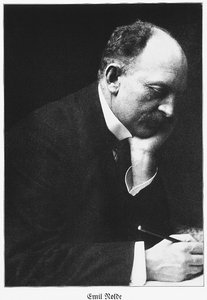
エミール・ノールデ
1867 - 1956 , ドイツ
アーティスト情報
- Artistic Movement Or Style: 表現主義、Die Brücke
- Artists Who Influenced This Artist:
- フィンセント・ファン・ゴッホ
- ポール・ゴーギャン
- Date Of Birth: 1867年8月7日
- Date Of Death: 1956年
- Full Name: エミール・ノールデ
- Nationality: ドイツ人・デンマーク人
- Notable Artworks (List Of Titles):
- 仮面
- キリストの嘲笑
- 花畑(少女と洗濯物)
- Place Of Birth (City And Country): ドイツ、ノールデ
関連記事

Watercolor Wonders: 10 Masterpieces That Redefined Art History | OriginalUniqueArt
Journey through 10 legendary watercolor masterpieces by Sargent, Turner & Homer! Explore iconic landscapes, portraits & floral art that redefined history. Find museum-quality reproductions and curated decor ideas at OriginalUniqueArt.com.

水彩の永続的な魅力:歴史、技法、そして現代の実践
水彩画の歴史、技法、現代の実践を深く探求。巨匠たちの名画から初心者向けテクニックまで解説。OriginalUniqueArt.comでは高品質な複製画やカスタムポートレートをご提供します。アートコンサルテーションも受付中。

Ephemeral Visions: Exploring the Artistic Legacy & Nuances of Watercolor Painting
Explore the captivating world of watercolor painting! Discover its rich history, essential techniques, influential artists & collecting tips from art experts. A comprehensive guide for enthusiasts.

Ephemeral Visions: Exploring the Artistic Legacy & Contemporary Practice of Watercolor Painting
Explore the captivating world of watercolor painting! Discover its rich history, essential techniques, influential artists & collecting tips. A comprehensive guide for art enthusiasts from OriginalUniqueArt.

Ephemeral Visions: Exploring the History & Emotional Resonance of Watercolor Painting
Explore the captivating history of watercolor painting, from ancient techniques to modern masters like Kandinsky & Blake. Discover essential artists, collecting tips & the emotional power of this luminous medium. Expert insights for art enthusiasts.

