

 設置イメージを確認
 送る
送る シェア
シェア
 詳細情報
詳細情報 ガイドを表示

 画像をダウンロード
 似ている作品
 X線調査
X線調査 スライドショー
 統計情報
統計情報Dance around the golden calf


 続きを読む
続きを読む
ジークレー/アートプリント
スピーディーな制作と多彩な仕上げオプションが魅力の、ミュージアムクオリティなジークレー・キャンバスプリント。 ( 手描きの複製画を注文する デジタル画像販売へ切り替え)




P118B $10

P118H $10

P118W $10

P438Z $10

P508JH $12

P508YH $12

P805H $10

P805Z $10

P919BZ $10

P919G $10

P919XJ $10

P959ZH $10

P968JZ $12

W106C $8

W218G $10

W218JH $8

W218Y $10

W307PJ $10

W316G $10

W316PJ $8

W316Y $10

W398PJ $8

W4111J $10

W500HY $15

W500JH $15

W692G $12

W849H $8

W940BG $15

W953PJ $8




作品のオリジナル比率に合わせた、当店の規定サイズからお選びください。

特定のフレームやスペースに合わせて、ご自身でサイズを指定することも可能です。選択されたサイズが元の画像の比率と一致しない場合、作品をトリミングするか、鏡面反射または単色での塗りつぶしによって画像を拡張いたします。制作を開始する前に、ご確認用のデジタルモックアップをお送りいたします。
画面上のプレビューには、実際のトリミングや拡張は反映されませんのでご注意ください。最終的な構図を正確に確認できるのは、モックアップのみとなります。
カスタムサイズも承っておりますが、元の比率を維持するためには、あらかじめ用意されたリストからサイズを選択することをお勧めいたします。


 ガラスオプションは、110cm未満のサイズでのみご利用いただけます。

Dance around the golden calf
ジークレー/アートプリント
複製画サイズ一覧
-


合計金額
$ 80
A Primal Rhythm: The Visceral Energy of Nolde’s Vision
In the heart of the Expressionist movement, few works pulse with as much raw, unbridled vitality as Emil Nolde’s 1910 masterpiece, Dance Around the Golden Calf. This monumental canvas is not merely a depiction of a ritual; it is an immersive experience that pulls the viewer into a swirling vortex of human emotion and movement. At first glance, the eye is captured by the striking, rhythmic arrangement of figures locked in a circular dance, their bodies intertwined in a celebration that feels both ancient and urgently modern. Nolde, a master of capturing the primal essence of life, utilizes a palette dominated by deep, nocturnal blues that contrast sharply against earthy ochres and fiery reds, creating a visual tension that mirrors the spiritual fervor of the scene itself.
The subject matter captures a vibrant, almost hypnotic scene of women dancing before an audience, centered around the imposing presence of a golden calf statue. This composition captures a moment of joyous celebration and communal ritual, yet beneath the surface lies a complex layer of meaning. The golden calf serves as a potent symbol of idolatry—a rejection of monotheistic faith in favor of pagan worship—yet the dancing women represent vitality, fertility, and the celebration of life’s pleasures amidst uncertainty. For the discerning collector, this piece offers a profound sense of depth, inviting a contemplation of the eternal struggle between instinctual joy and societal or religious restraint.
Mastery of Expressionist Technique
Nolde’s distinctive style aligns perfectly with the core tenets of Expressionism, characterized by bold colors, simplified forms, and emotionally charged brushstrokes that represent a deliberate departure from academic realism. Eschewing the polished, restrained finishes of traditional painting, Nolde embraced a thick impasto method, applying oil paint with an energetic, almost aggressive brushstroke. This tactile quality gives the surface of the painting a sculptural dimension, where the texture of the paint itself mimics the muscularity and kinetic energy of the dancers. The technique prioritizes expressive color palettes and textural surfaces, ensuring that every movement on the canvas feels heavy with significance.
The historical context of this work is equally compelling. Created during a period of profound societal anxiety following the shifts in European thought leading into the early 20th century, the painting reflects a broader yearning for primal spirituality and an escape from rational thought. Nolde’s ability to translate these complex historical tensions into a visual language of color and form makes this artwork a cornerstone of modern art history. For interior designers and art lovers alike, a high-quality reproduction of this piece brings a commanding presence to any space, offering a focal point that is both intellectually stimulating and visually arresting.
An Emotional Resonance for the Modern Space
The emotional impact of Dance Around the Golden Calf is nothing short of transformative. Nolde's masterful use of color—particularly the interplay of reds, yellows, and blues—creates a palpable atmosphere of excitement and fervor. The painting evokes feelings of liberation, passion, and even a touch of the uncanny, inviting viewers to immerse themselves in the scene’s emotional core. It is an artwork that demands attention, making it an ideal selection for those seeking to infuse a room with energy, drama, and a sense of historical weight.
Whether placed in a contemporary gallery setting or a sophisticated private study, this reproduction serves as a window into the soul of Expressionism. It provides more than just decoration; it offers a piece of history that continues to resonate with the human desire for connection, rhythm, and the celebration of life's most primal instincts.
アーティストについて
エミール・ノールデ:生涯と遺産
エミール・ノールデ、本名ハンス・エミル・ハンセンは、1867年8月7日、ドイツのシュレースヴィヒ=ホルスタイン州ノールデに生まれました。彼の家族は農村生活と宗教的な信仰に深く根ざしており、その要素は彼の芸術的ビジョンに大きな影響を与えることになります。両親からはより伝統的なキャリアを望まれていましたが、ノールデは揺るぎない情熱をもって芸術を追求しました。20代後半になるまで木彫り職人や家具装飾家として働きながら、絵画に専念するようになりました。
芸術的発展と影響
ノールデの芸術的な旅は、自己教育と探求によって特徴づけられました。彼は広範囲に旅行し、様々な文化や芸術形式から影響を受けました。初期の影響にはフィンセント・ファン・ゴッホ、ポール・ゴーギャン、そして伝統的な民俗芸術、特に原始的な仮面や彫刻の表現力が挙げられます。これらの出会いが、大胆な色彩、簡素化された形態、感情を帯びた主題への関心を刺激しました。当初は写実主義や印象主義を試しましたが、すぐに主観的で表現力豊かなスタイルへと移行しました。
Die Brückeと表現主義のブレイクスルー
1905年、ノールデはDie Brücke (橋)という重要なドイツ表現主義芸術家グループを共同設立しました。この集団は、アカデミックな伝統から脱却し、ラディカルな芸術的実験を通して内なる感情を表現しようと試みました。ノールデのDie Brückeへの貢献は重要でした。彼の強烈な色彩の使用と歪んだ形態は、表現の境界線を押し広げました。しかしながら、彼はグループ内で独立した道を歩み、主題や様式的なアプローチにおいてしばしば異なる傾向を示しました。
主要なテーマと芸術的スタイル
ノールデの作品の特徴は、宗教的な場面、風景画、海景画、肖像画など、いくつかの反復するテーマです。彼は特に仮面の力に魅了されていました—物理的な物体としてだけでなく、原始的な感情の象徴としても。彼の芸術的スタイルは次のように定義されます:
- 大胆で鮮やかな色彩を用いて感情的な強度を表現
- 歪んだ形態を用いて写実的な表現よりも表現を重視
- インパスト技法—厚塗りの絵の具を使用し、テクスチャを作成
- 内面の心理状態をとらえることに焦点を当てる
注目作品と功績
ノールデはキャリアを通じて膨大な数の作品を制作しました。彼の最も有名な絵画には次のようなものがあります:
- 仮面 (1906-1907) — 原始芸術への彼の関心を反映
- キリストの嘲笑 (1909) — 強烈で感情的な宗教的場面
- 秋海 (1908) - 表現力豊かな風景画を実証
- 花園(少女と洗濯物) (1907)
- 黄金の牛の周りの踊り (1909)
ナチス政権下で批判や検閲に直面したにもかかわらず—彼の作品は「退廃芸術」と見なされた—ノールデは秘密裏に絵画を制作し続けました。彼はこの期間中に重要な水彩画のコレクションを生み出し、芸術的表現への揺るぎない献身を示しました。
歴史的重要性と遺産
エミール・ノールデの革新的な色彩の使用と表現力豊かな筆致は、世代を超えて多くのアーティストに影響を与えました。彼の作品は、伝統的な写実芸術とそれに続く抽象運動との橋渡しをしました。彼はドイツ表現主義の中心人物として記憶されており、その感情的な強度、大胆な実験性、そして永続する芸術的ビジョンが称賛されています。彼の遺産は、世界中のアーティストやアート愛好家たちにインスピレーションを与え続けています。
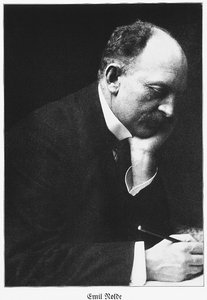
エミール・ノールデ
1867 - 1956 , ドイツ
アーティスト情報
- Artistic Movement Or Style: 表現主義、Die Brücke
- Artists Who Influenced This Artist:
- フィンセント・ファン・ゴッホ
- ポール・ゴーギャン
- Date Of Birth: 1867年8月7日
- Date Of Death: 1956年
- Full Name: エミール・ノールデ
- Nationality: ドイツ人・デンマーク人
- Notable Artworks (List Of Titles):
- 仮面
- キリストの嘲笑
- 花畑(少女と洗濯物)
- Place Of Birth (City And Country): ドイツ、ノールデ
関連記事

Oil on Canvas: A Historical & Technical Exploration of a Timeless Artistic Medium
Explore the rich history & enduring techniques of oil painting on canvas. Discover the science behind its longevity, conservation practices, and contemporary relevance. Expert insights for art enthusiasts.

The Enduring Power of Painting: A Historical & Contemporary Exploration of Form and Emotion
Explore the rich history & enduring techniques of oil painting with OriginalUniqueArt. Discover masterpieces, learn about art collecting, and find authentic handmade reproductions crafted by skilled artists.

The Enduring Legacy of Oil on Canvas: Technique, History & Aesthetic Impact
Explore the rich history & techniques of oil painting – from Renaissance masters to Impressionism. Discover pigments, layering methods, and why this timeless medium endures. Expert insights for artists & art enthusiasts.

The Enduring Muse: Women as Subject & Symbol in Art History
Explore the rich history of women in art – from iconic muses to groundbreaking artists. Discover feminist movements, global perspectives & reclaim female narratives with OriginalUniqueArt.

The Soul of Impressionism: Why Oil on Canvas Captures Eternal Light and Timeless Emotion
Discover the enchanting alchemy of Impressionism. Explore how the mastery of oil on canvas, through glazing and impasto, captures eternal light and emotion. Perfect for lovers of Monet and Van Gogh seeking the profound depth of hand-painted fine art.

