
 設置イメージを確認
 送る
送る シェア
シェア
 詳細情報
詳細情報 ガイドを表示

 画像をダウンロード
 似ている作品
 X線調査
X線調査 スライドショー
 統計情報
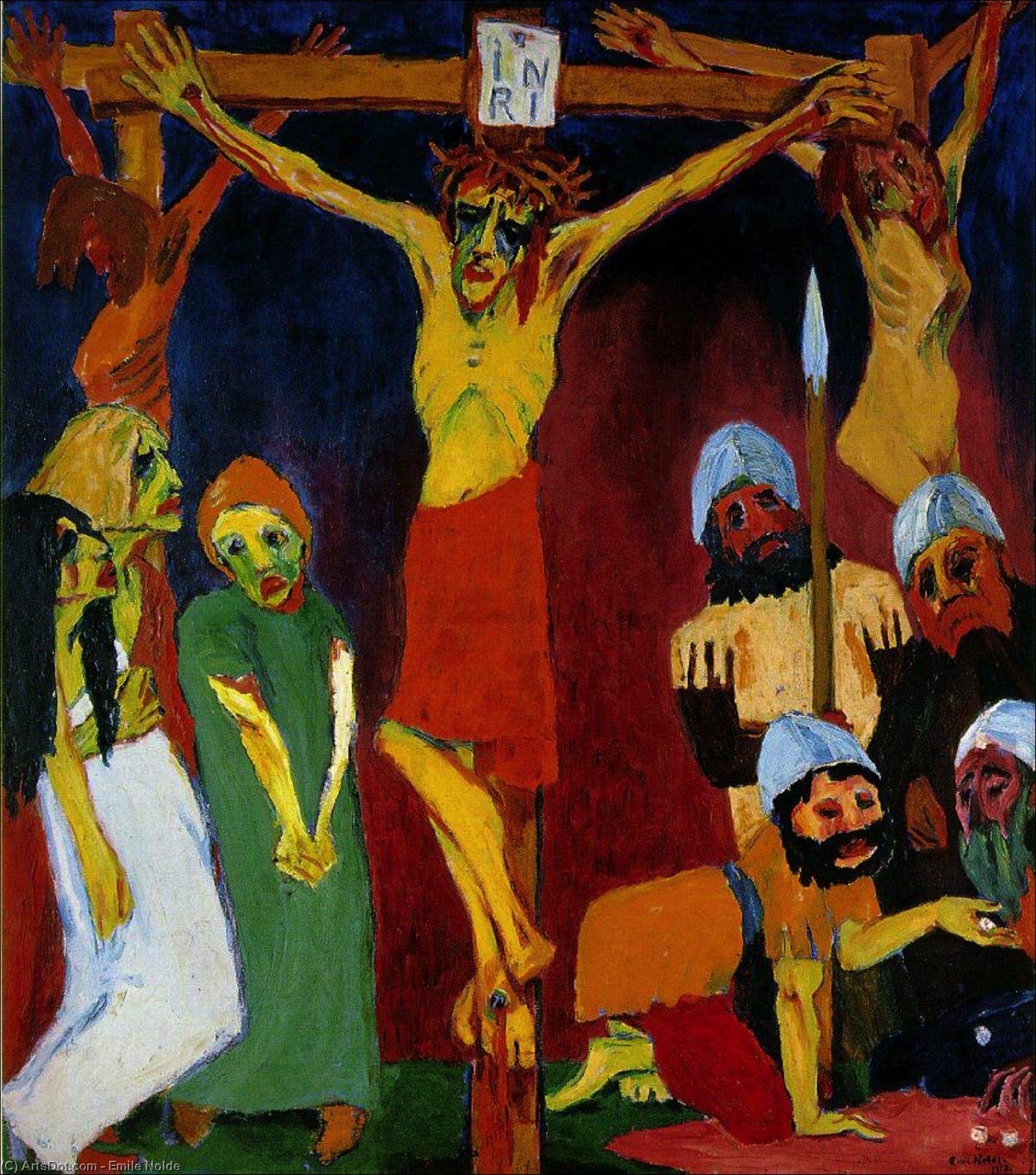
統計情報Crucifixion,
 Acrylic On Canvas
- WallArt
- Expressionist Symbolism
 1912
1912- 19th Century
 221.0 x 194.0 cm
 続きを読む
続きを読む
手描き油彩複製画
当社のアーティストが、お客様のご希望のサイズと額縁に合わせて、キャンバスに手描きで制作する油彩画です。 ( プリント版に切り替え デジタル画像販売へ切り替え)




P118B ¥10

P118H ¥10

P118W ¥10

P438Z ¥10

P508JH ¥12

P508YH ¥12

P805H ¥10

P805Z ¥10

P919BZ ¥10

P919G ¥10

P919XJ ¥10

P959ZH ¥10

P968JZ ¥12

W106C ¥8

W218G ¥10

W218JH ¥8

W218Y ¥10

W307PJ ¥10

W316G ¥10

W316PJ ¥8

W316Y ¥10

W398PJ ¥8

W4111J ¥10

W500HY ¥15

W500JH ¥15

W692G ¥12

W849H ¥8

W940BG ¥15

W953PJ ¥8




作品のオリジナル比率に合わせた、当店の規定サイズからお選びください。

Type the width and the height you need, to fit your frame or your wall. This is hand-painted, so for a size with a different shape the artist can paint a bit more around the picture, or cut a bit — you choose. We send you a digital mockup to approve before the painting starts. The picture shown on this page does not show the real result — only the mockup does.
ご注文後、OriginalUniqueArt.com チームより詳細な指示をお送りするとともに、仕上がりイメージ(モックアップ)をご提供いたします。


 ガラスオプションは、110cm未満のサイズでのみご利用いただけます。

Crucifixion,
再現技法
複製画サイズ一覧
-


合計金額
¥ 46532
A Profound Meditation on Suffering: Emil Nolde's Crucifixion (1912)
Emil Nolde’s Crucifixion, painted in 1912, is not merely a depiction of a biblical event; it’s a visceral exploration of human suffering and faith rendered with an arresting intensity. Measuring 221 x 194 cm, this canvas immediately commands attention with its dramatic composition and the artist's signature use of bold, expressive color. Nolde, deeply influenced by the works of Van Gogh and Gauguin, alongside a fascination with primitive art forms – particularly the raw emotion conveyed through masks and carvings – sought to bypass representational accuracy in favor of conveying profound spiritual truths. The painting’s power resides not just in its subject matter but in the artist's ability to translate complex emotions onto the canvas with remarkable directness.
Subject Matter and Composition
The scene is unequivocally the crucifixion of Christ, a cornerstone event in Christian theology. Nolde meticulously portrays Jesus on the cross, his body contorted in agony, arms outstretched in a gesture both vulnerable and defiant. The surrounding figures – a solitary figure to the left and another to the right, along with a throng gathered around the base of the cross – are not simply observers; they are participants in this monumental drama. Their postures, expressions, and spatial arrangement contribute to the painting’s dynamic tension, reflecting the emotional weight of the moment. Notably, the inclusion of a knife adds an element of unsettling ambiguity, perhaps symbolizing betrayal or the inherent violence within human nature.
Technique and Color – A Language of Emotion
- Impasto Technique: Nolde employs a thick impasto technique, layering paint with considerable texture. This creates a palpable sense of physicality, emphasizing the roughness of the wood, the vulnerability of Christ’s body, and the raw emotion conveyed through the figures' expressions.
- Bold Color Palette: The artist utilizes a vibrant, almost jarring color palette – deep reds, blues, and yellows – to heighten the emotional impact. These colors are not used realistically but rather expressively, amplifying the sense of suffering and spiritual intensity.
- Simplified Forms: Nolde simplifies forms, reducing figures to their essential shapes, further intensifying the painting’s symbolic power. This stylistic choice aligns with his broader interest in exploring primal emotions and spiritual truths through a non-naturalistic lens.
Symbolism and Historical Context
Painted during a period of significant artistic experimentation and religious questioning, Crucifixion reflects the anxieties and spiritual searches of early 20th-century Europe. The painting’s raw emotionality speaks to a desire for authentic experience beyond traditional religious dogma. The scene itself is laden with symbolism – Christ's sacrifice representing redemption, faith, and hope amidst despair. Nolde’s deliberate rejection of academic conventions aligns him with the Expressionist movement, which sought to convey subjective emotions rather than objective reality. The painting was created in 1912, a year marked by social unrest and political upheaval, suggesting a deeper engagement with themes of human suffering and injustice.
Emotional Impact and Artistic Legacy
Crucifixion remains a profoundly moving work of art. Its power lies in its ability to evoke empathy and contemplation, prompting viewers to confront the fundamental questions of faith, suffering, and redemption. Nolde’s masterful use of color, texture, and composition creates an unforgettable image that continues to resonate with audiences today. This hand-painted reproduction offers a unique opportunity to experience the full force of Nolde's artistic vision – a testament to his enduring legacy as one of Germany’s most important Expressionist painters.
よくあるご質問
エミール・ノールデ作「Crucifixion,」 の主要な色調は何ですか?
エミール・ノールデ作「Crucifixion,」には、Golden Yellow Rangeの色調が全体に広がっています。
エミール・ノールデ作「Crucifixion,」の形式には、どのような配置が適していますか?
エミール・ノールデ作「Crucifixion,」の展示に関する情報は、フォーマット(Portrait)と推奨される設置場所(Living Room)の2点です。
エミール・ノールデ作「Crucifixion,」の色調は、鮮やかですか、それとも落ち着いていますか?
エミール・ノールデ作「Crucifixion,」は、Clear Color Presenceの彩度とBalancedの強烈な色彩で記録されています。
アーティストについて
エミール・ノールデ:生涯と遺産
エミール・ノールデ、本名ハンス・エミル・ハンセンは、1867年8月7日、ドイツのシュレースヴィヒ=ホルスタイン州ノールデに生まれました。彼の家族は農村生活と宗教的な信仰に深く根ざしており、その要素は彼の芸術的ビジョンに大きな影響を与えることになります。両親からはより伝統的なキャリアを望まれていましたが、ノールデは揺るぎない情熱をもって芸術を追求しました。20代後半になるまで木彫り職人や家具装飾家として働きながら、絵画に専念するようになりました。
芸術的発展と影響
ノールデの芸術的な旅は、自己教育と探求によって特徴づけられました。彼は広範囲に旅行し、様々な文化や芸術形式から影響を受けました。初期の影響にはフィンセント・ファン・ゴッホ、ポール・ゴーギャン、そして伝統的な民俗芸術、特に原始的な仮面や彫刻の表現力が挙げられます。これらの出会いが、大胆な色彩、簡素化された形態、感情を帯びた主題への関心を刺激しました。当初は写実主義や印象主義を試しましたが、すぐに主観的で表現力豊かなスタイルへと移行しました。
Die Brückeと表現主義のブレイクスルー
1905年、ノールデはDie Brücke (橋)という重要なドイツ表現主義芸術家グループを共同設立しました。この集団は、アカデミックな伝統から脱却し、ラディカルな芸術的実験を通して内なる感情を表現しようと試みました。ノールデのDie Brückeへの貢献は重要でした。彼の強烈な色彩の使用と歪んだ形態は、表現の境界線を押し広げました。しかしながら、彼はグループ内で独立した道を歩み、主題や様式的なアプローチにおいてしばしば異なる傾向を示しました。
主要なテーマと芸術的スタイル
ノールデの作品の特徴は、宗教的な場面、風景画、海景画、肖像画など、いくつかの反復するテーマです。彼は特に仮面の力に魅了されていました—物理的な物体としてだけでなく、原始的な感情の象徴としても。彼の芸術的スタイルは次のように定義されます:
- 大胆で鮮やかな色彩を用いて感情的な強度を表現
- 歪んだ形態を用いて写実的な表現よりも表現を重視
- インパスト技法—厚塗りの絵の具を使用し、テクスチャを作成
- 内面の心理状態をとらえることに焦点を当てる
注目作品と功績
ノールデはキャリアを通じて膨大な数の作品を制作しました。彼の最も有名な絵画には次のようなものがあります:
- 仮面 (1906-1907) — 原始芸術への彼の関心を反映
- キリストの嘲笑 (1909) — 強烈で感情的な宗教的場面
- 秋海 (1908) - 表現力豊かな風景画を実証
- 花園(少女と洗濯物) (1907)
- 黄金の牛の周りの踊り (1909)
ナチス政権下で批判や検閲に直面したにもかかわらず—彼の作品は「退廃芸術」と見なされた—ノールデは秘密裏に絵画を制作し続けました。彼はこの期間中に重要な水彩画のコレクションを生み出し、芸術的表現への揺るぎない献身を示しました。
歴史的重要性と遺産
エミール・ノールデの革新的な色彩の使用と表現力豊かな筆致は、世代を超えて多くのアーティストに影響を与えました。彼の作品は、伝統的な写実芸術とそれに続く抽象運動との橋渡しをしました。彼はドイツ表現主義の中心人物として記憶されており、その感情的な強度、大胆な実験性、そして永続する芸術的ビジョンが称賛されています。彼の遺産は、世界中のアーティストやアート愛好家たちにインスピレーションを与え続けています。
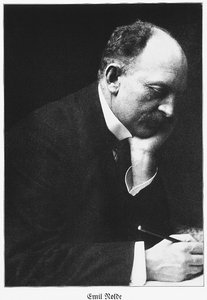
エミール・ノールデ
1867 - 1956 , ドイツ
アーティスト情報
- Artistic Movement Or Style: 表現主義、Die Brücke
- Artists Who Influenced This Artist:
- フィンセント・ファン・ゴッホ
- ポール・ゴーギャン
- Date Of Birth: 1867年8月7日
- Date Of Death: 1956年
- Full Name: エミール・ノールデ
- Nationality: ドイツ人・デンマーク人
- Notable Artworks (List Of Titles):
- 仮面
- キリストの嘲笑
- 花畑(少女と洗濯物)
- Place Of Birth (City And Country): ドイツ、ノールデ
関連記事

German Expressionism's 10 Defining Masterpieces | Art for Your Home
Explore 10 defining German Expressionism masterpieces – from Munch's 'The Scream' to Kandinsky’s abstracts. Discover the artists, stories & bold colors behind this powerful art movement. Find museum-quality reproductions at OriginalUniqueArt.com.

Giclée Prints: Archival Quality & Aesthetic Nuances for the Discerning Collector
Explore the world of giclée prints with OriginalUniqueArt. Learn about archival quality, aesthetic nuances & investment potential. Expert guidance for discerning art collectors seeking museum-quality reproductions and lasting value.

The Enduring Legacy of Fine Art Prints: Technique, History & Aesthetic Impact
Explore the rich history & techniques of fine art prints. Discover investment potential, assess authenticity, and learn how to preserve your collection with expert guidance. Trusted insights for discerning collectors.

Echoes of Time: Exploring the Enduring Appeal & Historical Context of Vintage Art Prints
Explore the captivating world of vintage art prints! Discover their history, collecting tips & enduring appeal. Expert insights on chromolithography and building a legacy collection with OriginalUniqueArt.

Bold Strokes & Powerful Visions: 10 Artworks That Command Attention | OriginalUniqueArt
Experience art's raw power! Explore 10 iconic paintings – Van Gogh, Kahlo & more – that define 'bold'. Discover the stories behind these expressive masterpieces and find museum-quality reproductions for your home at OriginalUniqueArt.com.

