

 プレビュー
プレビュー
 シェアする
シェアする シェアする
シェアする
 詳細を見る
詳細を見る

 ダウンロード
 似ている作品
 X線調査
X線調査 スライドショー
The First Lilac

 詳細を見る
詳細を見る
ジークレー/アートプリント
迅速な制作と多彩な仕上げオプションを備えた、ミュージアムクオリティのジークレーまたはキャンバスプリント。 ( 手描きの絵画を購入 画像を購入)




































作品のオリジナル比率に合わせた、当店の規定サイズからお選びください。

特定のフレームやスペースに合わせて、ご自身でサイズを指定することも可能です。選択されたサイズが元の画像の比率と一致しない場合、作品をトリミングするか、鏡面反射または単色での塗りつぶしによって画像を拡張いたします。制作を開始する前に、ご確認用のデジタルモックアップをお送りいたします。
画面上のプレビューには、実際のトリミングや拡張は反映されませんのでご注意ください。最終的な構図を正確に確認できるのは、モックアップのみとなります。
カスタムサイズも承っておりますが、元の比率を維持するためには、あらかじめ用意されたリストからサイズを選択することをお勧めいたします。


 ガラスオプションは、110cm未満のサイズでのみご利用いただけます。

The First Lilac
ジークレー/アートプリント
複製画のサイズ
-


合計金額
$ 80
アーティストの略歴
The Luminous Legacy of Émile Lévy
In the vibrant, ever-shifting tapestry of nineteenth-century Paris, few artists captured the delicate intersection of classical grandeur and fleeting atmospheric beauty as poignantly as Émile Lévy. Born in Paris on August 29, 1826, Lévy emerged during a transformative era when the rigid structures of academic tradition began to dance with the spontaneous light of the Impressionist movement. His life, though marked by a premature departure in 1890 at the age of sixty-four, was defined by a profound ability to translate the weight of history and the lightness of a moment onto canvas. Through his mastery of both religious drama and intimate portraiture, Lévy carved out a space for himself as a painter who could command the epic scale of biblical narrative while maintaining the tender sensitivity required to document the faces of his contemporaries.
Lévy’s artistic journey was rooted in the rigorous discipline of the École des Beaux-Arts, where he studied under the esteemed masters François-Éouard Picot and Abel de Pujol. These mentors provided him with a formidable foundation in classical technique, teaching him the importance of anatomical precision and compositional balance. However, it was his ability to infuse these academic lessons with an appreciation for atmospheric effects that truly set him apart. This synthesis of styles reached a triumphant milestone in 1854 when he was awarded the prestigious Grand Prix de Rome. This achievement not only propelled him into the upper echelons of the Parisian art scene but also allowed him to immerse himself in the classical influences of Italy, an experience that would forever enrich the depth and texture of his work.
Mastery of Light and Narrative
Upon his return from Italy, Lévy established himself as a versatile force within the Salon, earning critical acclaim for works that ranged from the monumental to the deeply personal. His talent for Romantic realism is perhaps most evident in his religious and mythological compositions. In pieces such as “Noah cursing Canaan” (1855) and “Supper of the Martyrs” (1859), he utilized dramatic lighting and dynamic movement to evoke a sense of divine tension and human emotion. His ability to manipulate light—creating deep shadows that recede into mystery and brilliant highlights that command attention—allowed him to breathe life into ancient stories, making them feel immediate and visceral to the nineteenth-century viewer.
Beyond the grand narratives, Lévy’s oeuvre is celebrated for its exquisite handling of texture and color in more intimate settings. His works often feature a captivating blend of elements:
- Classical Composition: A reliance on stable, pyramidal structures that lend a sense of permanence to his subjects.
- Atmospheric Depth: The use of soft, diffused light to capture the ephemeral quality of Parisian streets and interiors.
- Emotional Resonance: A subtle brushwork that conveys tenderness in portraits, such as the delicate “The First Lilac,” or profound loss in Neoclassical works like “Zenobia.”
A Lasting Impression on Art History
The significance of Émile Lévy lies in his role as a bridge between eras. While his training was firmly anchored in the traditions of the past, his eye was increasingly drawn to the transient beauty of the present. This duality is visible in his celebrated “Death of Orpheus,” housed in the Luxembourg Museum, where the masterful handling of color and texture showcases a painter at the height of his technical powers. His accolades, including a first-class medal at the 1878 Salon and the prestigious Legion of Honor in 1867, serve as testament to the respect he commanded from both his peers and the public.
As we look back upon his contributions, Lévy remains a vital figure for understanding the evolution of French painting. He did not merely document the faces and scenes of his era; he imbued them with a palpable sense of atmosphere that transcends time. Whether through the sweeping grandeur of “The Elements” or the quiet intimacy of a portrait, Lévy’s work continues to invite viewers into a world where the eternal and the ephemeral exist in perfect, breathtaking harmony.

emile levy
1888 - 1890
基本情報
- Artistic Movement Or Style: Neo-Classical Art
- Artists Or Movements Influenced By This Artist: ['École des Beaux-Arts']
- Artists Who Influenced This Artist:
- François-Éouard Picot
- Abel de Pujol
- Date Of Birth: August 29, 1826
- Full Name: Émile Lévy
- Nationality: French
- Notable Artworks:
- Noah cursing Canaan
- Death of Orpheus
- Love and folly
- The elements
- Place Of Birth: Paris
関連記事

Impressionistic Landscapes: 10 Masterpieces That Changed Art & Decor
Journey into the heart of Impressionism! Explore 10 masterpieces by Monet, Renoir & Degas that revolutionized landscape art. Discover their stories, techniques & find museum-quality reproductions to elevate your home decor on OriginalUniqueArt.com.

印象派風景を彩った至宝:アート史に名を刻む10選
印象派風景の革新を彩った10選。モネ、ルノワールら巨匠の名作を紐解き、色彩と光が生み出す感動の世界へ。アートの歴史とインテリアのインスピレーションをOriginalUniqueArt.comで。高品質な複製画で、あなただけの空間を創造しましょう。

Evocations of Place: A Historical Journey Through Landscape Art
Explore the rich history of landscape art with OriginalUniqueArt. Discover renowned artists, movements like Impressionism & Romanticism, and expert guidance for collecting timeless pieces. Find your perfect serene escape today!
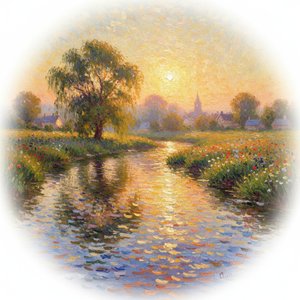
Capturing Light: A Masterclass in the Ethereal Beauty of Impressionistic Landscapes
Explore the ethereal beauty of Impressionist landscapes. Discover how masters like Monet captured fleeting light through color and texture, and learn to curate these timeless, luminous masterpieces for your home collection.

ロマン派ランドスケープ:時代を彩る巨匠の10選|アートとインテリアの世界
ロマン派絵画の時代を彩る10選。巨匠たちの風景が織りなす感動の世界へ。ターナー、ルーベンスなど、名作の裏話と高精細複製でアートをお部屋に。OriginalUniqueArt.comで至福のアート体験を。

