

 送る
送る シェア
シェア
 詳細情報
詳細情報 ガイドを表示

 画像をダウンロード
 似ている作品
 スライドショー
 統計情報
統計情報Vase


 続きを読む
続きを読む
手描き油彩複製画
当社のアーティストが、お客様のご希望のサイズと額縁に合わせて、キャンバスに手描きで制作する油彩画です。 ( プリント版に切り替え デジタル画像販売へ切り替え)




































作品のオリジナル比率に合わせた、当店の規定サイズからお選びください。

特定のフレームやスペースに合わせて、ご希望のサイズをご入力いただけます。選択されたサイズが元の画像の比率と異なる場合、アートワークをトリミングするか、手描きで要素を追加して絵画を拡張いたします。デジタルモックアップ を制作し、制作開始前にご確認(承認)をいただきます。
画面上のプレビューは、実際のトリミングや拡張を正確に反映しているものではありません。最終的な構図は、モックアップによってのみ正確にご確認いただけます。
カスタムサイズもご利用いただけますが、元の比率を維持するためには、あらかじめ用意されたリストからサイズを選択することをお勧めいたします。
ご注文後、OriginalUniqueArt.com チームより詳細な指示をお送りするとともに、仕上がりイメージ(モックアップ)をご提供いたします。


 ガラスオプションは、110cm未満のサイズでのみご利用いただけます。

Vase
再現技法
複製画サイズ一覧
-


合計金額
$ 300
Vase by Émile Gallé
Émile Gallé’s vase stands as a testament to the zenith of French Art Nouveau glassmaking—a captivating fusion of organic form and meticulous craftsmanship that embodies the movement's core aesthetic principles. Born in Nancy, France, in 1846, Gallé inherited his father’s legacy of artisanal excellence, fostering an early fascination with botany and design that would profoundly shape his artistic vision. He wasn’t merely replicating nature; he sought to capture its essence—its dynamism, its beauty—within the confines of glass, transforming it into a vessel imbued with symbolic resonance.- Subject Matter: The vase showcases an intricate floral design dominated by stylized blossoms and foliage rendered in shades of purple, brown, and yellow-green. These motifs are deliberately chosen to evoke the serenity and fecundity of the natural world—a recurring theme throughout Gallé’s oeuvre.
- Style: Strongly influenced by Art Nouveau, the vase exemplifies the movement's characteristic curvilinear lines and flowing forms. These undulating contours mimic the graceful curves of plant stems and petals, creating a harmonious visual experience that prioritizes elegance and fluidity.
- Technique: Gallé’s mastery lay in his innovative glassblowing techniques—particularly cameo glass and pate de verre etching. Cameo glass involves carving delicate reliefs onto the surface of molten glass using acid etching, resulting in stunningly detailed floral patterns that appear to emerge from within the translucent material. Pate de verre, or “paste for glass,” utilizes a thin layer of colored glass fused onto a transparent base, producing vibrant hues and captivating textural contrasts.
- Historical Context: The vase was created during the Belle Époque (1871-1914), a period marked by unprecedented artistic experimentation and cultural optimism in France. Art Nouveau emerged as a reaction against academic conventions, championing natural forms and rejecting industrial ornamentation—a deliberate rejection of Victorian aesthetics. Gallé’s work reflects this spirit of innovation and celebrates the transformative power of art to elevate everyday objects into works of beauty.
- Emotional Impact: Gazing upon this vase evokes feelings of tranquility, wonder, and appreciation for the sublime artistry of Émile Gallé. Its delicate floral design speaks to a deeper yearning for harmony with nature—a sentiment that resonated powerfully during the Art Nouveau era and continues to inspire collectors and interior designers today.
Detailed Examination: Cameo Glass Technique
The vase’s captivating floral patterns are achieved through the painstaking process of cameo glass etching. Skilled artisans carefully apply acid onto the surface of molten glass, creating recessed reliefs that capture the intricate details of botanical specimens—often lilies or orchids—with remarkable precision. This technique demands exceptional patience and artistry, resulting in surfaces that shimmer with subtle luminescence and reveal astonishing depth. The etched floral motifs are then painstakingly filled with colored enamel pigment, further enhancing their visual impact and solidifying Gallé’s reputation as a pioneer of glass decoration.Gallé's Legacy: École de Nancy
Émile Gallé founded the École de Nancy (Nancy School), an influential artistic collective dedicated to elevating glassmaking to new heights of sophistication. This school fostered collaboration between artists, designers, and craftsmen—a radical departure from traditional studio practices—and championed a holistic approach to art that embraced both craftsmanship and aesthetic innovation. The École’s influence extended far beyond the borders of Nancy, inspiring generations of artisans and shaping the trajectory of Art Nouveau glassmaking worldwide. Gallé's legacy continues to inspire artists today, demonstrating the enduring power of artistic vision and collaborative creativity.Contemporary Appreciation
Today, Émile Gallé’s vase remains a prized possession among collectors and interior designers—a symbol of timeless elegance and artistic brilliance. Its exquisite craftsmanship, combined with its evocative floral design and profound connection to Art Nouveau ideals, ensures that it will continue to captivate audiences for decades to come. Reproductions of this masterpiece allow enthusiasts to experience the beauty and artistry of Gallé’s vision in their own homes—a testament to his enduring influence on the decorative arts.アーティストについて
自然と革新に浸された生涯
フランスのアール・ヌーヴォー・ガラスの開花を象徴する名、エミール・ガレは、1846年5月8日、フランスのナンシーにて、職人伝統に深く根ざした家族のもとに生まれました。父シャルル・ガレは家具や磁器を製造する尊敬を集める工場を経営しており、若きエミールは幼い頃からデザインと職人技の世界に触れる機会に恵まれていました。しかし、ガレの知的好奇心は、単なる工房の実践的な技術に留まることはありませんでした。彼は哲学、植物学、そしてデッサンを学び、これらの学問は後に彼の芸術的ビジョンと分か復しがたいほど密接に結びつくことになります。こうした哲学的探求と科学的観察の稀有な融合は、美学への深い造詣と、芸術と自然界との相互の繋がりに対する深い理解を彼の中に育みました。初期の植物学的な探究は、有機的な形態への生涯にわたる魅惑の源となり、それが最終的に彼の作品が持つ叙情的な美しさを定義することになったのです。彼は単に自然を模倣していたのではありません。彼は自然の根底にある原理を理解し、それを精緻な芸術品へと昇華させようとしていたのです。ガラスの錬金術:先駆的な技法の探求
普仏戦争の後、ガレは父の工場を継承し、ガラス製作における絶え間ない実験の旅へと踏み出しました。単なるエナメル装飾が施された従来の透明なガラスに満足できなかった彼は、媒体そのものに革命を起こそうと試みました。彼は表面的な装飾に甘んじることなく、ガラスの「内側」に色彩と奥行きを吹き込み、まるで内側から光が放たれているかのような作品を生み出したいと願ったのです。この野心は、彼にカメオ技法の完成をもたらしました。これは、異なる色のガラスを層状に重ね、その一部を丹念に削り取ることで、下に隠れた対照的な色合いを浮かび上がらせるという、非常に労力を要するプロセスです。その結果は息をのむほど美しく、驚くべき立体感と宝石のような輝きを備えた複雑なデザインが誕生しました。しかし、ガレの革新はそれだけでは終わりませんでした。彼は植物のモチーフを彫り込んだ重厚で不透明なガラスを開発し、しばしば多層的な色彩を用いることで、驚異的なまでのリアリズムを実現しました。また、金属箔や気泡、その他の型破りな要素を恐れずに作品に取り入れ、ガラス製作における可能性の限界を押し広げたのです。これらは単なる装飾的な飾りではなく、彼の芸術的表現に不可欠な要素であり、作品に質感と奥行き、そして空想的な美しさを与えるものでした。評価とナンシー派の形成
ガレの画期的な作品は1878年のパリ万博で注目を集め始めましたが、アール・ヌーヴォー運動の指導的人物としての地位を真に不動のものにしたのは、1889年の万国博覧会でした。彼の革新的なデザインは観衆と批評家の双方を魅了し、従来の規範に挑戦する先見的な芸術家としての地位を確立しました。この成功は、彼個人の才能によるものだけではありません。ガレは共同作業の力を認識しており、フランスのロレーヌ地方において芸術家や職人のコミュニティを積極的に育成しました。彼は「ナンシー派(École de Nancy)」の創設メンバーの一人であり、それは芸術を日常生活へと統合することを目指した地域的なデザイン運動でした。ナンシー派は、建築から家具、ガラス器、宝飾品に至るまで、すべてが共通の美意識によって統一された「総合芸術」の創造を追求しました。ガレの影響力は自身の工房を超えて広がり、数多くの芸術家や職人を指導し、彼らに革新と職人技を受け入れるよう鼓舞しました。「海藻と貝殻を持つ手」のヴァス、遊び心あふれる「象の壺」、そして繊細なカワニナのデザインが施された花瓶といった名作は、彼のガラス技法の極致と、自然界との深い結びつきを物語る証として今もなお輝き続けています。不朽の遺産:芸術、文化、そして社会意識
エミール・ガレの遺産は、個々の作品の美しさを超えたところに存在します。彼はアール・ヌーヴォーの発展に深い影響を与え、流れるような曲線、有機的なモチーフ、そして自然への賛歌という、その決定的な特徴を形作りました。彼の職人技と革新へのこだわりは、今日においても芸術家やデザイナーにインスピレーションを与え続けています。しかし、ガレは単なる芸術家ではありませんでした。彼は社会の進歩に深くコミットしたヒューマニストでもありました。彼はロレーヌの文化遺産を守るために尽力し、地元の博物館や歴史学会を支援しました。さらに、労働者のための夜間学校を組織し、人権団体を支持するなど、強い社会責任感を示しました。芸術的な卓越性と社会正義の両方に対するこの献身は、彼の人間性の深さと、そのビジョンの永続的な妥当性を強調しています。今日、ガレの膨大なコレクションはパリのオルセー美術館やナンシーの美術館といった権威ある機関に収蔵されており、彼の芸術的遺産が次世代を魅了し続けることを確かなものにしています。彼の作品は単なる物体ではありません。それは、芸術、自然、そしてヒューマニズムが調和のとれた美しさの中で融合する世界へと続く窓なのです。それらは、周囲の環境を変え、私たちの人生を豊かにする創造力の力を、私たちに思い出させてくれるのです。
エミール・ガレ
1846 - 1904 , フランス
アーティスト情報
- Artistic Movement Or Style: アール・ヌーヴォー
- Artists Or Movements Influenced By This Artist: ['アール・ヌーヴォー']
- Date Of Birth: 1846年5月8日
- Date Of Death: 1904年9月23日
- Full Name: エミール・ガレ
- Nationality: フランス
- Notable Artworks:
- 海藻と貝殻を持つ手
- 象の花瓶
- プラヌス(スモモ)
- 花瓶
- 葉巻入れ エジプトの収穫者
- Place Of Birth: フランス、ナンシー
関連記事
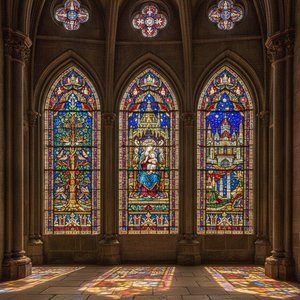
Luminous Masterpieces: The Captivating Beauty and Timeless Elegance of Stained Glass Artworks
Embark on a visual journey through the luminous world of stained glass art. Discover the exquisite craftsmanship, historical significance, and captivating beauty of masterworks from Art Nouveau to the Gothic era, curated for the discerning fine art enthusiast.
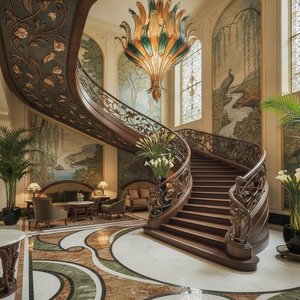
Art Nouveau Guide: Integrating Elegant Curves and Organic Design into Luxury Hotel Interiors
Master Art Nouveau integration for luxury hotel interiors. Discover expert strategies for utilizing organic curves, whiplash lines, and botanical motifs to create sophisticated, high-end hospitality spaces with scalable, professional art procurement solutions.
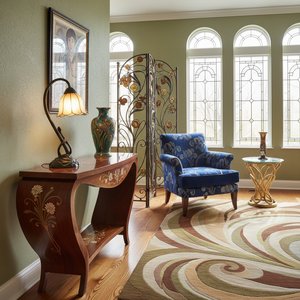
アール・ヌーヴォーを彩る至宝:10の傑作が語る芸術と装飾の世界
アール・ヌーヴォーの魅力を再発見!ムンロ、ドレ、ガウディ…10の傑作が織りなす曲線美の世界。芸術と装飾が融合した至高のアートをOriginalUniqueArtで堪能し、お部屋に新たな彩りを。コレクションをオンラインで探索しましょう。
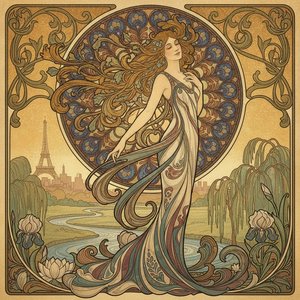
The Elegance of Art Nouveau: Embracing Nature's Fluid Beauty and the Belle Époque Spirit
Discover the enchanting world of Art Nouveau. Explore the organic beauty, flowing lines, and Belle Époque elegance that defined an era of unparalleled craftsmanship and natural inspiration.
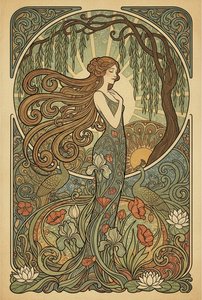
The Flowing Line & Flourishing Form: Exploring Art Nouveau's Aesthetic Legacy
Explore the captivating world of Art Nouveau! Discover its origins, key artists like Horta & Mucha, regional styles, innovative techniques, and lasting influence on architecture & design. A comprehensive guide for art enthusiasts.