Rococo
Tea-time (Emile Eisman Semenovsky)
Emile Eisman Semenovsky (1859–1911)による作品『Tea-time』 Rococo運動に属しています。

 設置イメージを表示

 手描き油彩画
 シェアする
 シェアする
 解説シート


 ダウンロード
 似ている作品
 X線調査
 スライドショーを表示
 Q&A

 統計情報
Tea-timeの概要
- 作品名
- Tea-time
- 作家
- Emile Eisman Semenovsky (1859–1911)
- 技法
- Rococo
- 主題
- portrait, rococo, tea time, elegance, woman, luxury
Tea-timeの高解像度画像
Emile Eisman Semenovsky, Tea-time. パブリックドメイン
Tea-timeに関するよくあるご質問
Emile Eisman Semenovsky作「Tea-time」には何が描かれていますか?
Emile Eisman Semenovsky作「Tea-time」に描かれているテーマには、portrait, rococo, tea time, elegance, woman, luxury, soft colors, russian artなどがあります。これらが合わさることで、本作の主題を構成しています。
「Tea-time」はパブリックドメインですか?
著作権について、「Tea-time」はパブリックドメイン(著作権消滅)です。
「Tea-time」の作者は誰ですか?
「Tea-time」の作者はEmile Eisman Semenovskyとされています。
「Tea-time」はどの様式に属していますか?
Emile Eisman Semenovsky作「Tea-time」に関連する芸術運動はRococoです。この分類により、本作は関連する他の芸術家や作品群の中に位置づけられます。
Tea-timeは、Emile Eisman Semenovskyのキャリアにおけるどの時期の作品にあたりますか?
「Tea-time」は、Emile Eisman SemenovskyのMature Periodを象徴する作品です。
「Tea-time」の著作権の状態は、なぜこのようなものになっているのでしょうか?
Emile Eisman Semenovsky作「Tea-time」はパブリックドメイン(著作権消滅)です。著作権の保護期間は、1911年に亡くなった作家の没年から起算されます。
「Tea-time」は、Emile Eisman Semenovskyのテーマやスタイルとどのように結びついているのでしょうか?
「Tea-time」は、Emile Eisman Semenovskyの他の作品と同様に、Rococo様式と、一貫して描かれてきたテーマであるgenre scenes of russian life, rococo elegance, romantic beauty, classical grace, aristocratic leisure, russian social sceneを共有しています。
「Tea-time」は、Emile Eisman Semenovskyが繰り返し描いてきた主題の中でどのような位置を占めているのでしょうか?
「Tea-time」はportrait, rococo, tea time, elegance, woman, luxury, soft colors, russian artを描いていますが、Emile Eisman Semenovskyのこれまでの主要なテーマはgenre scenes of russian life, rococo elegance, romantic beauty, classical grace, aristocratic leisure, russian social sceneです。この二つを比較することで、本作が作家の恒常的な主題とどのように結びついているかが浮き彫りになります。
アーティスト Emile Eisman Semenovsky について
1859–1911
Emile Eisman Semenovsky
The Ethereal Vision of Emile Eisman-Semenowsky Émile Eisman-Semenowsky remains a captivating figure in the late nineteenth-century Parisian art scene, an artist whose work serves as a bridge between the rigorous discipline of academic realism and the fleeting, luminous qualities of Impressionism. Born in Poland around 1857, his early life is shrouded in much of the mystery that often surrounds artists of great talent but sparse documentation. Likely of Jewish descent, he moved through the cultural landscapes of Eastern Europe before finding his creative home in France. This movement between worlds—from the traditions of his Polish roots to the avant-garde energy of Paris—imbued his work with a unique perspective, allowing him to capture a sense of "otherness" that would become his artistic hallmark.
Emile Eisman Semenovskyのその他の作品
 The Maiden of Spring1882
 Marguerite1882
 Gypsy Girl1886
 Leisure Moments1890
Tea-timeに関するエッセイ
 The Rococo Aesthetic: Opulence, Rebellion & the Pursuit of Pleasure in 18th-Century ArtExplore the opulent world of Rococo art! Discover its origins, key artists like Watteau & Boucher, and lasting influence on design. Expert …
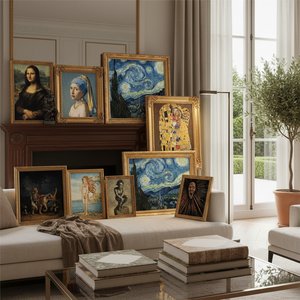 Timeless Masterpieces: 10 Classic Artworks for Elegant Homes |Explore 10 timeless masterpieces – from Van Gogh to Rembrandt – that define classic art & evoke enduring moods. Discover art history, techn…
 Fyodor Rokotov: Intimacy & Enlightenment in Russian PortraitureExplore the captivating portraits of Fyodor Rokotov, a master of 18th-century Russian art. Discover his unique psychological realism, Rococ…