
 設置イメージを確認
 送る
送る シェア
シェア
 詳細情報
詳細情報 ガイドを表示

 画像をダウンロード
 似ている作品
 X線調査
X線調査 スライドショー
 Q&A
Q&A 統計情報
統計情報High Street, Whitechapel

- 25.0 x 33.0 cm


 続きを読む
続きを読む
ジークレー/アートプリント
スピーディーな制作と多彩な仕上げオプションが魅力の、ミュージアムクオリティなジークレー・キャンバスプリント。 ( 手描きの複製画を注文する デジタル画像販売へ切り替え)




P118B ¥10

P118H ¥10

P118W ¥10

P438Z ¥10

P508JH ¥12

P508YH ¥12

P805H ¥10

P805Z ¥10

P919BZ ¥10

P919G ¥10

P919XJ ¥10

P959ZH ¥10

P968JZ ¥12

W106C ¥8

W218G ¥10

W218JH ¥8

W218Y ¥10

W307PJ ¥10

W316G ¥10

W316PJ ¥8

W316Y ¥10

W398PJ ¥8

W4111J ¥10

W500HY ¥15

W500JH ¥15

W692G ¥12

W849H ¥8

W940BG ¥15

W953PJ ¥8




作品のオリジナル比率に合わせた、当店の規定サイズからお選びください。

額縁や壁のスペースに合わせて、ご希望の幅と高さを入力してください。プリントはカットすることは可能ですが、元の画像より大きくすることはできないため、異なる比率のサイズを選択された場合は、画像の一部が欠けることになります。印刷を開始する前に、内容を確認していただくためのデジタルモックアップをお送りいたします。このページに表示されている画像は、実際のカット後の状態を示すものではありません。実際の仕上がりはモックアップにてご確認ください。


 ガラスオプションは、110cm未満のサイズでのみご利用いただけます。

High Street, Whitechapel
ジークレー/アートプリント
複製画サイズ一覧
-


合計金額
¥ 12626
Edwin Edwards’s “High Street, Whitechapel”: A Window Into Victorian Urban Life
Edwin Edwards’s “High Street, Whitechapel,” painted circa 1869, isn't merely a depiction of a London street; it’s a carefully crafted snapshot of Victorian society grappling with rapid industrialization and social change. Executed in an Impressionistic style—a deliberate departure from the academic conventions of his time—the painting captures not just what the eye sees but also how light and atmosphere contribute to the overall mood.
- Subject Matter: The canvas portrays a bustling thoroughfare, Whitechapel High Street, nestled within Tower Hamlets. Beyond the immediate street scene are glimpses of residential buildings—primarily brick structures—and a prominent church spire dominating the skyline. This composition speaks to the everyday realities of Victorian urban life, reflecting both commerce and faith.
- Style & Technique: Edwards’s Impressionistic approach is characterized by visible brushstrokes that prioritize capturing fleeting moments of light and color rather than precise detail. The muted palette—dominated by earthy tones—creates a sense of solemnity and reinforces the painting's melancholic atmosphere. This technique aligns with the broader aesthetic trends of the Hudson River School, where artists sought to convey the sublime beauty of nature.
- Historical Context: Painted during the reign of Queen Victoria, “High Street, Whitechapel” reflects the anxieties and aspirations of a nation undergoing transformative shifts. The Industrial Revolution was reshaping Britain’s economy and social fabric, prompting artists like Edwards to explore how these changes impacted human experience. Furthermore, the painting's location in Whitechapel—a district known for its poverty and crime—adds another layer of complexity to its narrative.
- Symbolism: The church spire serves as a visual anchor, symbolizing spiritual solace amidst the urban hustle. Its overcast sky reinforces this theme, suggesting contemplation and perhaps hinting at the challenges faced by Victorian society. Edwards’s deliberate use of color contributes to the painting's emotional impact—the subdued hues evoke feelings of quietude and introspection.
- Emotional Impact: “High Street, Whitechapel” succeeds in transporting viewers back to 1869, capturing not just a visual record but also an intangible sense of place. The artist’s masterful rendering of light and texture invites contemplation on the passage of time and the enduring beauty found within ordinary scenes.
The painting's quiet grandeur—a testament to Edwards’s skill in conveying atmosphere—continues to resonate with audiences today, offering a poignant glimpse into Victorian England and its artistic sensibilities. It stands as an exemplary piece of Hudson River School art, prioritizing emotional resonance over photographic accuracy.
よくあるご質問
Edwin Edwards作「High Street, Whitechapel」の向き(横長・縦長)はどちらですか?
Edwin Edwards作「High Street, Whitechapel」はLandscapeの構図です。プリントサイズを選択する前に、縦横比をご確認いただくことをお勧めします。
Edwin Edwards作「High Street, Whitechapel」 の色彩に調和する空間はどこでしょうか?
Earthyの色彩を纏ったEdwin Edwards作「High Street, Whitechapel」は、Living Roomに飾るのがおすすめです。その色使いこそが、この提案の理由のひとつです。
「High Street, Whitechapel」の色彩は、どの程度鮮やかですか?
Edwin Edwards作「High Street, Whitechapel」は、彩度Balanced Softで記録されています。
関連記事
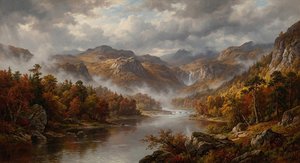
ハドソン・リバー派を彩る至宝:10選が示すアメリカ絵画の黄金時代
ハドソン・リバー派の至宝10選を紐解き、アメリカ絵画の黄金時代へ。壮大な自然描写と巨匠たちの技が織りなす感動の世界を体験してください。トーマス・コールからチャーチまで、OriginalUniqueArt.comで高品質なアートプリントとインテリアアイデアを見つけましょう。
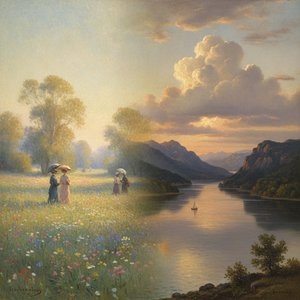
Capturing the Light: A Journey Through the Soul of American Impressionism and the Hudson River School
Explore the luminous beauty of American Impressionism and the Hudson River School. Discover a curated journey through light, landscape, and history, celebrating the enduring legacy of masters through exquisite, hand-painted oil reproductions for the discerning art lover.

Epic Landscapes & Wild Nature: The Power of the Hudson River School's Sublime Artistry
Explore the breathtaking power of the Hudson River School. Journey through epic American landscapes, from Thomas Cole's sublime vistas to Luminist light, and discover how these timeless masterpieces continue to inspire modern collectors and art lovers worldwide.

The Sublime Landscape: Exploring the Hudson River School Movement
Explore the captivating world of the Hudson River School! Discover the history, artists, and defining characteristics of this iconic American art movement. Learn about Romanticism's influence & find inspiration for your collection.
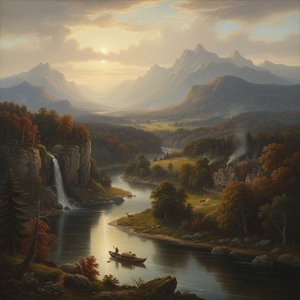
Capturing the American Spirit: A Journey Through Iconic Landscapes and the Legacy of the Hudson River School
Explore the profound beauty of American art history. From the Hudson River School to iconic landscapes, discover a curated journey through the masterpieces that defined a nation's spirit and the enduring legacy of American Romanticism.