

 プリントを購入
 シェアする
シェアする シェアする
シェアする
 詳細を見る
詳細を見る

 ダウンロード
 似ている作品
 スライドショー
The Three Chiefs - Piegan


 詳細を見る
詳細を見る




































作品のオリジナル比率に合わせた、当店の規定サイズからお選びください。

特定のフレームやスペースに合わせて、ご希望のサイズをご入力いただけます。選択されたサイズが元の画像の比率と異なる場合、アートワークをトリミングするか、手描きで要素を追加して絵画を拡張いたします。デジタルモックアップ を制作し、制作開始前にご確認(承認)をいただきます。
画面上のプレビューは、実際のトリミングや拡張を正確に反映しているものではありません。最終的な構図は、モックアップによってのみ正確にご確認いただけます。
カスタムサイズもご利用いただけますが、元の比率を維持するためには、あらかじめ用意されたリストからサイズを選択することをお勧めいたします。
ご注文後、OriginalUniqueArt.com チームより詳細な指示をお送りするとともに、仕上がりイメージ(モックアップ)をご提供いたします。


 ガラスオプションは、110cm未満のサイズでのみご利用いただけます。

The Three Chiefs - Piegan
複製技法
複製画のサイズ
-


合計金額
$ 300
作品解説
The Three Chiefs – Piegan: A Window into Blackfoot Resilience
Edward Sheriff Curtis’s “The Three Chiefs – Piegan” is more than just a photograph; it's a meticulously crafted portal into the heart of 19th-century Blackfeet culture. Executed in 1900, this striking image captures three men—leaders within the Piegan Nation—mounted on horseback against the vast, unforgiving backdrop of the Montana wilderness. The composition immediately draws the eye, anchored by the figures’ stoic postures and the powerful presence of their horses, while simultaneously conveying a sense of both strength and quiet dignity. Curtis's choice to render this scene in stark black and white amplifies its emotional resonance, stripping away any potential distraction from the subjects themselves and focusing instead on texture, form, and the subtle nuances of human expression.
Curtis’s approach to documenting Native American life was revolutionary for his time. He eschewed the stereotypical portrayals often presented in Western art, opting instead for a deeply respectful and immersive engagement with the people he photographed. He spent years traveling across the American West, living among tribes, learning their languages, and painstakingly recording their customs through photography and sound. “The Three Chiefs” exemplifies this commitment; it’s not simply a portrait but a carefully considered representation of leadership within a complex social structure. The men's clothing—distinctive blankets and adornments—speak volumes about their status, clan affiliation, and connection to the land.
A Masterclass in Pictorialism: Technique and Process
The photograph’s power lies not only in its subject matter but also in Curtis’s masterful application of pictorialist techniques. He employed a long exposure time, deliberately blurring the background to emphasize the figures and create a sense of depth. This deliberate softness contrasts sharply with the sharp detail of the men's faces and clothing, drawing attention to their individual personalities while simultaneously suggesting a connection to something larger—the spirit of the Blackfeet people and their enduring relationship with the wilderness.
Curtis utilized a wet collodion process, a demanding photographic technique requiring immediate development. This method produced images with a unique tonal range and subtle graininess – qualities that contribute significantly to the photograph’s evocative atmosphere. The slight imperfections inherent in the process—a barely perceptible haze or a ghost of an image—add to the sense of authenticity and immediacy, reminding us that this is not merely a reproduction but a tangible artifact of a specific moment in time.
Symbolism and Cultural Significance
The scene itself is rich with symbolic meaning. The three chiefs, mounted on horseback, represent leadership, authority, and connection to the hunt—a cornerstone of Blackfeet life for centuries. Horses were not merely beasts of burden; they were integral to their culture, embodying strength, freedom, and spiritual significance. The vast expanse of the Montana landscape behind them underscores the tribe’s deep-rooted connection to the land – a relationship built on respect, reciprocity, and an intimate understanding of its rhythms and resources.
Furthermore, the photograph offers a poignant glimpse into a culture facing profound change. The late 19th century was a period of immense upheaval for Native American tribes across North America, marked by treaties broken, land stolen, and cultural traditions suppressed. Curtis’s work serves as both a testament to the resilience of the Piegan people and a powerful reminder of the loss that accompanied westward expansion. The stoic expressions on the chiefs' faces hint at the burdens they carried—the weight of leadership in the face of adversity.
A Legacy of Preservation: Reproduction and Reflection
Today, “The Three Chiefs – Piegan” remains a vital piece of American art history, offering invaluable insights into the lives and culture of the Blackfeet Nation. Reproductions, such as those offered by Curtis Gallery, allow us to appreciate the photograph’s beauty and complexity while also ensuring that its story continues to be shared with future generations. When considering a reproduction, it's important to note the original was created using a platinum print process, which lends itself beautifully to high-quality reproductions that retain the tonal richness and subtle textures of the original.
Beyond its aesthetic qualities, this photograph prompts reflection on our own relationship with history, culture, and the land. It’s a powerful reminder of the importance of preserving diverse perspectives and honoring the stories of those who have shaped our world – a story that continues to unfold today.
アーティストの略歴
幼少期と写真家としての黎明期
- 生年月日:1868年2月16日、ウィスコンシン州ホワイトウォーター
- 両親:アサヘル・“ジョンソン”・カーティス(牧師、農夫、南北戦争退役軍人)およびエレン・シェリフ
- 兄弟:ラファエル、エドワード、エヴァ、アサヘル・カーティス
- 父の苦難による幼少期の困窮により、家族はミネソタ州へと移住することとなりました。
- 小学6年生で学校を退学しましたが、早くから写真への強い関心を示し、自らカメラを製作するほどでした。
- 1885年、ミネソタ州セントポールにて写真師としての修行を開始しました。
- 1887年にはワシントン州シアトルへ移住し、写真スタジオを設立。当初はラスムス・ロティ、後にトーマス・ガプティルと提携して活動を展開しました。
北米インディアン・プロジェクト
- 原点:プリンセス・アンジェリン(キキソムロ)をはじめとする先住民の初期の肖像画に触発され、カーティスはアメリカ西部の先住民族の文化と伝統を記録するという、壮大なプロジェクトへと乗り出しました。
- 資金調達:1906年、J.P.モルガンから7万5千ドルの資金を獲得。これにより、約1,500枚の写真を用いた全20巻のシリーズ制作が可能となりました。その見返りとして、モルガンには25セットの作品と500枚のオリジナルプリントが約束されていました。
- 規模:このプロジェクトは単なる肖像画の収集に留まらず、伝統的な衣服、住居、儀式、食文化、娯楽、そして口承史といった民族学的な詳細を捉えることを目的としていました。カーティスは先住民の言語や音楽をワックス・シリンダー(蝋管)に1万件以上も記録し、80以上の部族から4万枚を超える写真画像を収めました。
- チーム:ウィリアム・E・マイヤーズ(執筆)、ビル・フィリップス(ロジスティクス)、フレデリック・ウェッブ・ホッジ(人類学者兼編集者)らによる専門的なチームを編成しました。
- 出版:当初は5年間の計画でしたが、プロジェクトは20年以上にわたり継続され、最終的に222セットもの完全な作品群が出版されるに至りました。
カーティスの写真様式と技法
- ソフトフォーカス:当時流行していたソフトフォーカスの美学を取り入れることで、夢幻的な質感を持つイメージを創り出しました。このスタイルは芸術的な美しさとして称賛される一方で、先住民の生活の現実をロマン主義的に美化し、覆い隠してしまったのではないかという批判も受けています。
- 大判写真:フォトグラビア印刷に適した高品質なネガを制作するため、大判カメラを使用しました。
- フォトグラビア印刷:繊細な階調の変化や質感を捉え、写真を詳細に再現することを可能にした高度な印刷技法です。
- 演出と協働:カーティスは部族の真正な生活を記録することを目指しましたが、一部の批評家は、彼のイメージが西洋的な芸術的慣習によって演出されたものであると指摘しています。しかし彼は先住民のコミュニティーと協力し、伝統的な場面を再現する際には彼らの知識や助けをしばしば借りていました。
遺産と歴史的重要路
- 先住民族文化の保存:同化政策や西進運動によって多くの伝統が急速に失われつつあった時代において、カーティスの作品は先住民文化の貴重な歴史的記録としての価値を持っています。
- 複雑な評価:彼の遺産については現在も議論が続いています。先住民を記録しようとしたその努力を称える声がある一方で、プロジェクトに内在する「植民地主義的な眼差し」や、誤解やロマン化を招く可能性を批判する声も存在します。
- 民族学的写真への影響:カーティスの野心的な規模と緻密な記録手法は、後世の民族学的写真家たちに多大な影響を与えました。
- 展覧会と評価:彼の作品は国際的に展示されており、1973年にはフランスのアルル国際写真祭でも紹介されました。
- 逝去:1952年10月19日、その生涯を閉じました。
写真を超えて:映画と晩年
- 初期の映画制作:カーティスは、早くも1906年には映画制作の実験を開始していました。
- ヘッドハンターの地にて(In the Land of the Head Hunters) (1914年):クワキウトゥル族の生活を描いた長編映画であり、先住民のみのキャストで構成された最初期の映画の一つとして特筆されます。
- キャリアの後半:『北米インディアン』の完成後、カーティスはハリウッドへと舞台を移し、肖像写真家および宣伝用スチール写真家として活動しました。

エドワード・S・カーティス
1868 - 1952
基本情報
- Artistic Movement Or Style: 民族誌写真
- Date Of Birth: 1868年2月16日
- Date Of Death: 1952年
- Full Name: エドワード・シェリフ・カーティス
- Nationality: アメリカ
- Notable Artworks:
- Standing Two Oto
- Wakonda Oto
- Place Of Birth: アメリカ合衆国、ホワイトウォーター
関連記事
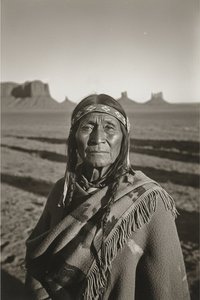
Shadow Catcher: Edward S. Curtis & the Ethnographic Portraiture of a Vanishing West
Explore the life & work of Edward S. Curtis, the 'Shadow Catcher,' and his groundbreaking photographic documentation of Native American cultures. Discover iconic images from *The North American Indian* and a critical look at his lasting legacy.

Gordon Parks: A Poetic Lens on American Life – Photography, Social Justice & Storytelling
Explore the profound work of Gordon Parks, a groundbreaking photographer who documented American life with unparalleled empathy and artistry. Discover his iconic images & lasting impact on social justice through Life magazine & beyond.

Beyond the Lens: Photography's Enduring Influence on Modern & Contemporary Art
Explore photography's pivotal role in shaping modern & contemporary art. Discover key movements, influential artists like Stieglitz, and expert collecting advice from OriginalUniqueArt.

Monochrome Visions: Exploring the Aesthetic & Historical Significance of Black & White Photography
Explore the rich history & artistic power of black and white photography. From early techniques to iconic masters like Ansel Adams, discover why monochrome continues to captivate art lovers today. Expert insights for collectors.
Witnessing History Through Lens & Light: Documentary Photography's Enduring Legacy
Explore the powerful history of documentary photography – from its origins to contemporary masters like Gordon Parks & W. Eugene Smith. Discover how this art form shapes our understanding of society and witness pivotal moments in time.

