
 設置イメージを確認
 送る
送る シェア
シェア
 詳細情報
詳細情報 ガイドを表示

 画像をダウンロード
 似ている作品
 X線調査
X線調査 スライドショー
 統計情報
統計情報Self-Portrait


 続きを読む
続きを読む
このページに掲載されている作品は著作権法によって保護されており、当社の許可なく同一の複製物を制作または販売することは法律で禁じられています。この保護は、以下のような国際条約に基づき執行されます。 ベルヌ条約 および、以下の条項に定められたものを含む各国の法律により、 米国著作権法 第17編。
敬意を払った法的な代替手段として、私たちはオリジナルにインスピレーションを与えられた、カスタムの手描きアートワークを提供しています。私たちの熟練したプロのアーティストは、元の作品が持つスタイル、情緒、そして芸術的なエッセンスを注意深く研究し、独自の創作物でありながら、同じ感性を呼び起こすような、新しくユニークな作品を作り上げます。
この手法は、著作権で保護された作品の複製や複写を伴わないため、著作権法に完全に準拠しています。これは単なる模倣ではなく、創造的な再解釈です。元の作品からインスピレーションを受けつつも、それとは異なる、全く新しい絵画を生み出すものです。
手描き油彩複製画
当社のアーティストが、お客様のご希望のサイズと額縁に合わせて、キャンバスに手描きで制作する油彩画です。 ( プリント版に切り替え デジタル画像販売へ切り替え)




P118B ¥10

P118H ¥10

P118W ¥10

P438Z ¥10

P508JH ¥12

P508YH ¥12

P805H ¥10

P805Z ¥10

P919BZ ¥10

P919G ¥10

P919XJ ¥10

P959ZH ¥10

P968JZ ¥12

W106C ¥8

W218G ¥10

W218JH ¥8

W218Y ¥10

W307PJ ¥10

W316G ¥10

W316PJ ¥8

W316Y ¥10

W398PJ ¥8

W4111J ¥10

W500HY ¥15

W500JH ¥15

W692G ¥12

W849H ¥8

W940BG ¥15

W953PJ ¥8




作品のオリジナル比率に合わせた、当店の規定サイズからお選びください。

フレームや壁のスペースに合わせて、ご希望の幅と高さを入力してください。本作品は手描きのため、異なる比率のサイズをご希望の場合、絵画の周囲を少し広げて描くか、あるいは端を少しカットして調整することが可能です。お客様のご要望に合わせます。制作を開始する前に、仕上がりを確認するためのデジタルモックアップをお送りいたします。このページに表示されている画像は完成品の実物ではなく、あくまでモックアップによるイメージです。
ご注文後、OriginalUniqueArt.com チームより詳細な指示をお送りするとともに、仕上がりイメージ(モックアップ)をご提供いたします。


 ガラスオプションは、110cm未満のサイズでのみご利用いただけます。

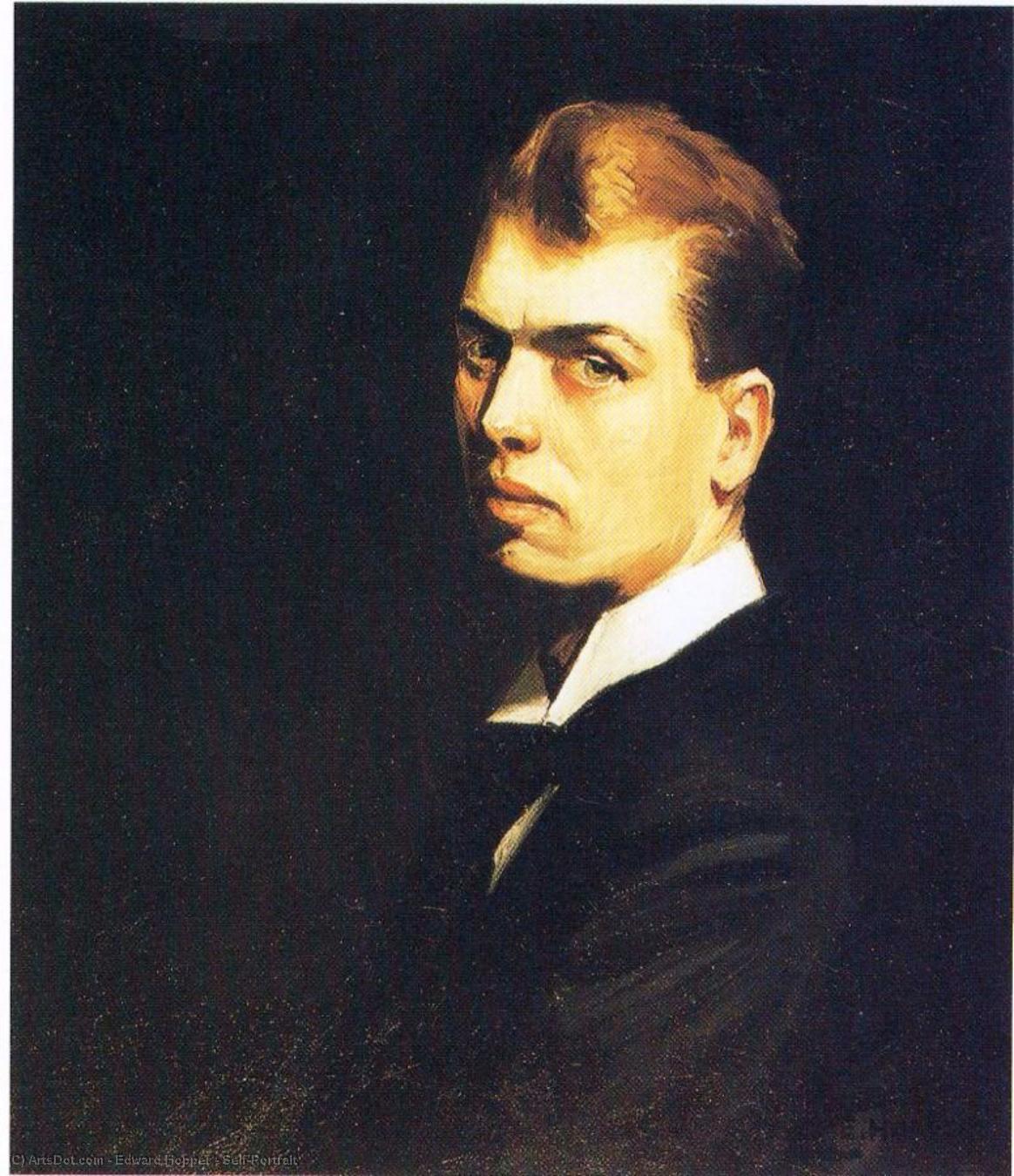
Self-Portrait
再現技法
複製画サイズ一覧
-


合計金額
¥ 47267
Edward Hopper’s Self-Portrait: A Study in Quiet Isolation
Edward Hopper's Self-Portrait, painted in 1906, stands as a cornerstone of American Realism and embodies the profound introspection characteristic of the early 20th century. More than just a depiction of an individual face—though meticulously rendered with remarkable detail—the painting delves into themes of solitude, contemplation, and the unspoken anxieties simmering beneath the surface of everyday life. Created during Hopper’s formative years at the New York School of Art under William Merritt Chase and Robert Henri, it exemplifies the stylistic influences that would define his enduring legacy.- Style: Hopper's approach aligns perfectly with the burgeoning New Realism movement, rejecting Impressionistic idealism in favor of portraying subjects as they appear to the naked eye—often stripped bare of sentimentality or grand narrative. The stark simplicity of the composition contributes significantly to its emotional resonance.
- Technique: Executed in oil on board, Hopper employs a muted palette dominated by shades of gray and brown, skillfully manipulating light and shadow to create an atmosphere of palpable stillness. Precise brushstrokes convey texture without overwhelming visual detail, prioritizing observation over embellishment.
- Historical Context: Painted at the cusp of significant societal shifts—the burgeoning industrial revolution, urbanization, and anxieties surrounding modernity—the Self-Portrait reflects a broader cultural preoccupation with alienation and psychological complexity. It speaks to the experience of individuals navigating an increasingly impersonal world.
- Emotional Impact: Hopper’s Self-Portrait transcends mere representation; it captures a fundamental human condition – the experience of being alone amidst a bustling world. It evokes feelings of melancholy, introspection, and a subtle awareness of existential unease—themes that continue to resonate powerfully with audiences today.
よくあるご質問
「Self-Portrait」の作者と制作年はいつですか?
エドワード・ホッパーによる「Self-Portrait」は、1906年に制作されました。
「Self-Portrait」の色は、どの程度の光を反射しているように見えますか?
エドワード・ホッパー作「Self-Portrait」 の輝度は Dark です。輝度とは、色がどれほど光を反射しているかを表す指標です。
「Self-Portrait」は、どのような場所や用途での使用がおすすめですか?
エドワード・ホッパー作「Self-Portrait」 のおすすめの用途は (Accent)、飾る場所は (Living Room) です。
アーティストについて
観察された孤独:エドワード・ホッパーの生涯と芸術
20世紀のアメリカ社会に漂っていた静寂と、かすかな憂鬱。エドワード・ホッパーという名は、単なる風景の画家としてではなく、光と影の詩人、そして現代的な孤立を描き出した記録者として、その時代の空気と分かちがたく結びついています。1882年、ニューヨーク州ナイアックにて、オランダ系の血を引く中産階級の両親のもとに生まれたホッパーの幼少期は、彼の芸術的傾向を育む安定した環境にありました。日付と署名が丁寧に記された子供時代のスケッチを見れば、鋭い観察眼と天賦の描画才能が、彼の本質的な要素であったことは明白です。当初、両親からは現実的な提案として商業イラストレーターへの道を勧められましたが、ホッパーの野心は純粋芸術へと向かっていました。彼はニューヨーク・スクール・オブ・アートに入学し、ウィリアム・メリット・チェイスやロバート・ヘンリーに師事します。この形成期は、技術的な習熟だけでなく、リアリズムへの深い理解と、世界をありのままに、飾らず誠実に描き出すという決意を彼に植え付けました。ラルフ・ワルド・エマーソンの著作はホッパーの心に深く響き、彼の芸術的ビジョンの特徴となる個人主義と鋭い観察眼をより強固なものにしました。初期のパリ滞在では印象派に触れる機会もありましたが、ホッパーは印象派の刹那的な筆致とは異なる、彼独自の道を切り拓いていったのです。独自の表現の探求:リアリズムとアメリカン・シーン
ホッパーの芸術的旅路は、決して平坦なものではありませんでした。彼は自身の際立った「声」を見出すべく葛藤し、キャリアを決定づけることになるリアリズムに辿り着く前には、様々な様式を試行錯誤しました。彼の描くリアリズムは、単なる現実の複製ではありません。それは、余分な細部を削ぎ落とし、その根底にある感情的な真実を露わにするための、本質の抽出でした。彼の作品は、家々、ダイナー、オフィス、ホテルの客室といった日常的な風景へと焦点を移していき、そこには静止した時間と、しばしば孤独感が漂っていました。彼は被写体の心理状態を捉える並外れた能力を備えており、言葉で明示することなく、物語の断片を暗示させました。光と影の精密な描写は、単なる説明的な要素を超え、感情を揺さぶる手がかりとして不可欠なものとなり、魅惑的でありながらどこか不安をかき立てる空気感を作り出しました。初期の傑作である『線路脇の家』(1925年)は、この手法を象徴しています。一見シンプルな構図の中に、深い孤独と神秘性が放射されています。また、見落とされがちな版画制作も、絵画と並行して行われ、同様のテーマや様式美を共有しており、彼の表現領域の広さを示しています。彼は壮大な歴史的物語や寓話的な象徴には関心がありませんでした。むしろ、日常的なものに目を向け、細やかな観察と感情的な共鳴を通じて、それを高次元へと昇華させたのです。象徴的なヴィジョン:『夜警』とその先へ
ホッパーのキャリアは緩やかに進展しましたが、ある特定の作品が彼を一躍、世界的な名声へと押し上げました。『夜警』(1942年)は、おそらく彼の最も有名な作品であり、アメリカ文化の象徴となりました。強烈な蛍光灯の光に照らされた深夜のダイナーの情景は、現代の都市生活における疎外感と匿名性を見事に凝縮しています。店内にいる人々は、互いに近くにありながらも、それぞれの思索に沈み込み、断絶しています。それは人間存在の本質に対する痛切な批評でもあります。『ガソリンスタンド』(1940年)では、道端のガソリンスタンドを印象的に描くことで、アメリカの風景と、当時急速に発展していた自動車文化への彼の関心を示しています。他にも、『オートマット』、『小さな街のオフィス』、『夏』といった重要な作品は、それぞれが20なるアメリカ社会の複雑さに対する独自の洞察を与えてくれます。これらの絵画は単なる場所の描写ではなく、日常的な舞台で展開される情緒、心理、そして微細なドラマの探求でした。妻であるジョセフィン・ニビソン・ホッパーは、生涯の伴侶としてだけでなく、頻繁にモデルを務めることで、彼の描く女性像のキャラクター形成に多大な貢献を果たしました。テーマと遺産:永続する影響力
ホッパーの作品群には、いくつかの繰り返されるテーマが流れています。最も顕著なのは「都市の孤立」でしょう。群衆の中にいながらも感じられる孤独感です。彼はアメリカの風景を、田舎から都市に至るまで探求し、その荒涼とした空虚さをしばしば強調しました。また、彼の作品は心理的リアリズムを掘り下げ、単なる描写を超えた感受性で被写体の内面を突き止めます。そこには、より単純だった過去へのノスタルジーと、現代生活の複雑さや不安への認識が共存しています。後世の芸術家に対するホッパーの影響は否定できません。彼の独特なスタイルは、ピエール・サンフォード・ロスを含む数多くの画家たちにインスピレーションを与え続け、人間の経験の本質を捉えようとする現代のアーティストたちの心にも響き続けています。彼の作品は今なおコレクターから熱望され、世界中の主要な美術館で展示されており、アメリカ美術史における極めて重要な人物としての地位を確固たるものにしています。単なる芸術家を超えて、エドワード・ホッパーは視覚的な哲学者でした。光、影、そして構図の巧みな操作を通じて、人間存在に対する深い洞察を提示したのです。- 彼の遺産は、絵画の美しさだけでなく、思考を促し、感情を呼び起こし、私たちの人生をしばしば定義づける「静かな孤独」を思い出させてくれる、その永続的な力にあります。
- ホッパーの作品が観衆を魅了し続けるのは、それが孤独、孤立、そして急速に変化する世界における意味の探求という、普遍的なテーマを語りかけてくるからです。
- 彼の絵画はアメリカ文化の象徴的な表現となり、20世紀、そしてそれ以降の時代の不安や志を象徴するものとしてしばしば用いられています。
- ホッパーの美学は、映画監督(アルフレッド・ヒッチコックなど)や作家にも深い影響を与え、疎外感や心理的緊張という同様のテーマを探求する数多くの作品にインスピレーションを与えてきました。
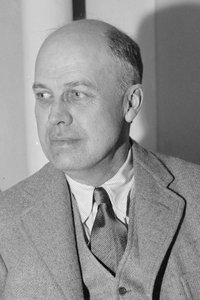
エドワード・ホッパー
1931 - 1967 , アメリカ合衆国
アーティスト情報
- Artistic Movement Or Style: リアリズム
- Artists Who Influenced This Artist:
- ウィリアム・ミルトン・チェイス
- ロバート・ヘンリー
- Date Of Birth: 1882年7月22日
- Date Of Death: 1967年5月15日
- Full Name: Edward Hopper
- Nationality: アメリカ合衆国
- Notable Artworks:
- ナイハウクス
- 鉄道沿いの家
- Place Of Birth: ニューヨーク州ナヤック
関連記事
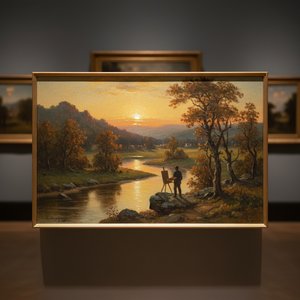
Edward Mitchell Bannister: A Pioneer of American Landscape Painting & Artistic Recognition
Discover the remarkable life & art of Edward Mitchell Bannister, a pioneering African American landscape painter. Explore his journey overcoming barriers to achieve recognition and lasting impact on 19th-century American art.
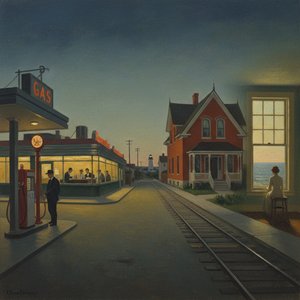
エドワード・ホッパー傑作25選:アメリカの孤独と光影の世界 | OriginalUniqueArt
エドワード・ホッパーの傑作25選。アメリカ絵画を代表するモダンアート、孤独と光影の世界を紐解きます。名画「Nighthawks」や「ハウス・バイ・ザ・レールロード」など、美術史に残る作品群をOriginalUniqueArtで高品質複製画としてお楽しみください。インテリアに深みを与えるアートプリントも多数。今すぐコレクションをご覧ください。

Grant Wood & American Regionalism: Identity, Myth & the Rural Landscape
Explore the world of Grant Wood & American Regionalism with OriginalUniqueArt. Discover the symbolism behind 'American Gothic', recurring themes, and the movement's lasting impact on art history. High-quality reproductions available.

Evocations of Place: A Historical Journey Through Landscape Art
Explore the rich history of landscape art with OriginalUniqueArt. Discover renowned artists, movements like Impressionism & Romanticism, and expert guidance for collecting timeless pieces. Find your perfect serene escape today!

American Realism's Defining Works: 10 Masterpieces for Your Home
Explore 10 defining American Realism masterpieces – Hopper, Homer & more. Discover the stories behind these iconic paintings and bring timeless art to your home with OriginalUniqueArt's museum-quality reproductions. Explore the full collection online.


