
 設置イメージを表示
 シェアする
シェアする シェアする
シェアする
 詳細を見る
詳細を見る ガイドを表示

 ダウンロード
 似ている作品
 X線調査
X線調査 スライドショーを表示
 Q&A
Q&A 統計情報
統計情報Notre Dame de Paris


 詳細を表示
詳細を表示
このページに掲載されている作品は著作権法によって保護されており、当社の許可なく同一の複製物を制作または販売することは法律で禁じられています。この保護は、以下のような国際条約に基づき執行されます。 ベルヌ条約 および、以下の条項に定められたものを含む各国の法律により、 米国著作権法 第17編。
この手法は、著作権で保護された作品の複製や複写を伴わないため、著作権法に完全に準拠しています。これは単なる模倣ではなく、創造的な再解釈です。元の作品からインスピレーションを受けつつも、それとは異なる、全く新しい絵画を生み出すものです。
ジークレー/アートプリント
スピーディーな制作と多彩な仕上げオプションが魅力の、ミュージアムクオリティなジークレー・キャンバスプリント。 ( 手描き複製画を注文する デジタル画像販売へ切り替え)




P118B ¥10

P118H ¥10

P118W ¥10

P438Z ¥10

P508JH ¥12

P508YH ¥12

P805H ¥10

P805Z ¥10

P919BZ ¥10

P919G ¥10

P919XJ ¥10

P959ZH ¥10

P968JZ ¥12

W106C ¥8

W218G ¥10

W218JH ¥8

W218Y ¥10

W307PJ ¥10

W316G ¥10

W316PJ ¥8

W316Y ¥10

W398PJ ¥8

W4111J ¥10

W500HY ¥15

W500JH ¥15

W692G ¥12

W849H ¥8

W940BG ¥15

W953PJ ¥8




作品のオリジナル比率に合わせた、当店の規定サイズからお選びください。

額縁や壁のスペースに合わせて、ご希望の幅と高さを入力してください。プリントはカットすることは可能ですが、元の画像より大きくすることはできないため、異なる比率のサイズを選択された場合は、画像の一部が欠けることになります。印刷を開始する前に、内容を確認していただくためのデジタルモックアップをお送りいたします。このページに表示されている画像は、実際のカット後の状態を示すものではありません。実際の仕上がりはモックアップにてご確認ください。


 ガラスオプションは、110cm未満のサイズでのみご利用いただけます。

Notre Dame de Paris
ジークレー/アートプリント
複製画サイズ一覧
-


合計金額
¥ 12817
Captivating Subject and Architectural Grandeur
This evocative artwork masterfully captures the majestic presence of a Gothic cathedral, likely inspired by the iconic Notre Dame de Paris. The composition centers on the towering structure, emphasizing its verticality and intricate architectural details that symbolize spiritual aspiration and historical resilience. Surrounding greenery frames the scene naturally, creating a harmonious balance between nature and human achievement. The depiction invites viewers to contemplate the grandeur and enduring legacy of Gothic architecture, evoking feelings of awe and reverence.Impressionistic Style and Expressive Technique
Rendered in an impressionistic style, this painting employs loose, gestural brushstrokes that convey movement and immediacy. The artist's approach emphasizes mood and atmosphere over precise detail, allowing viewers to experience the scene through a lens of emotion and memory. The subdued, earthy color palette—featuring soft pinks, oranges, purples, and golds—enhances the contemplative tone, creating a sense of nostalgia and timelessness. The diffused lighting suggests an overcast sky or gentle natural light, further deepening the scene’s introspective quality.Historical Context and Artistic Significance
While the exact date of creation remains unknown, the work’s style aligns with the late 19th to early 20th-century impressionist movement, which sought to capture fleeting moments and the emotional essence of a scene. The focus on atmospheric effects and simplified forms reflects a shift from detailed realism to expressive interpretation, resonating with the broader artistic currents of the period. This piece celebrates the enduring cultural and architectural significance of Gothic cathedrals, symbolizing faith, history, and human ingenuity.Symbolism and Emotional Resonance
The contrasting dark spire against lighter walls draws the eye upward, symbolizing spiritual aspiration and the pursuit of higher ideals. The textured foliage and dynamic rooflines evoke a sense of vitality and life surrounding the sacred space. The overall mood—calm yet contemplative—invites viewers to reflect on themes of memory, spirituality, and the passage of time. This artwork’s emotional depth makes it a powerful statement piece, capable of inspiring introspection and admiration.Perfect for Collection and Interior Inspiration
Ideal for art lovers, collectors, and interior designers, this high-quality reproduction offers a timeless addition to any space. Its rich atmosphere and artistic finesse make it suitable for enhancing both modern and traditional interiors, creating a focal point that sparks conversation and admiration. Whether displayed in a living room, office, or gallery, this piece promises to evoke emotion and elevate the aesthetic appeal of any environment.Q&A
その色彩を考慮すると、"Notre Dame de Paris" はどの場所に飾るのがおすすめですか?
Neutralsの色彩を纏ったエドワード・ホッパー作「Notre Dame de Paris」は、Living Roomに飾るのがおすすめです。その色使いこそが、この提案の理由のひとつです。
「Notre Dame de Paris」の色味は、どの程度鮮やかですか?
「Notre Dame de Paris」の彩度はSubtle Color、色の強度はBalancedです。
「Notre Dame de Paris」の素材とスタイルについて教えてください。
「Notre Dame de Paris」は、Impressionism様式のOil On Canvasで制作されています。
作家プロフィール
観察された孤独:エドワード・ホッパーの生涯と芸術
20世紀のアメリカ社会に漂っていた静寂と、かすかな憂鬱。エドワード・ホッパーという名は、単なる風景の画家としてではなく、光と影の詩人、そして現代的な孤立を描き出した記録者として、その時代の空気と分かちがたく結びついています。1882年、ニューヨーク州ナイアックにて、オランダ系の血を引く中産階級の両親のもとに生まれたホッパーの幼少期は、彼の芸術的傾向を育む安定した環境にありました。日付と署名が丁寧に記された子供時代のスケッチを見れば、鋭い観察眼と天賦の描画才能が、彼の本質的な要素であったことは明白です。当初、両親からは現実的な提案として商業イラストレーターへの道を勧められましたが、ホッパーの野心は純粋芸術へと向かっていました。彼はニューヨーク・スクール・オブ・アートに入学し、ウィリアム・メリット・チェイスやロバート・ヘンリーに師事します。この形成期は、技術的な習熟だけでなく、リアリズムへの深い理解と、世界をありのままに、飾らず誠実に描き出すという決意を彼に植え付けました。ラルフ・ワルド・エマーソンの著作はホッパーの心に深く響き、彼の芸術的ビジョンの特徴となる個人主義と鋭い観察眼をより強固なものにしました。初期のパリ滞在では印象派に触れる機会もありましたが、ホッパーは印象派の刹那的な筆致とは異なる、彼独自の道を切り拓いていったのです。独自の表現の探求:リアリズムとアメリカン・シーン
ホッパーの芸術的旅路は、決して平坦なものではありませんでした。彼は自身の際立った「声」を見出すべく葛藤し、キャリアを決定づけることになるリアリズムに辿り着く前には、様々な様式を試行錯誤しました。彼の描くリアリズムは、単なる現実の複製ではありません。それは、余分な細部を削ぎ落とし、その根底にある感情的な真実を露わにするための、本質の抽出でした。彼の作品は、家々、ダイナー、オフィス、ホテルの客室といった日常的な風景へと焦点を移していき、そこには静止した時間と、しばしば孤独感が漂っていました。彼は被写体の心理状態を捉える並外れた能力を備えており、言葉で明示することなく、物語の断片を暗示させました。光と影の精密な描写は、単なる説明的な要素を超え、感情を揺さぶる手がかりとして不可欠なものとなり、魅惑的でありながらどこか不安をかき立てる空気感を作り出しました。初期の傑作である『線路脇の家』(1925年)は、この手法を象徴しています。一見シンプルな構図の中に、深い孤独と神秘性が放射されています。また、見落とされがちな版画制作も、絵画と並行して行われ、同様のテーマや様式美を共有しており、彼の表現領域の広さを示しています。彼は壮大な歴史的物語や寓話的な象徴には関心がありませんでした。むしろ、日常的なものに目を向け、細やかな観察と感情的な共鳴を通じて、それを高次元へと昇華させたのです。象徴的なヴィジョン:『夜警』とその先へ
ホッパーのキャリアは緩やかに進展しましたが、ある特定の作品が彼を一躍、世界的な名声へと押し上げました。『夜警』(1942年)は、おそらく彼の最も有名な作品であり、アメリカ文化の象徴となりました。強烈な蛍光灯の光に照らされた深夜のダイナーの情景は、現代の都市生活における疎外感と匿名性を見事に凝縮しています。店内にいる人々は、互いに近くにありながらも、それぞれの思索に沈み込み、断絶しています。それは人間存在の本質に対する痛切な批評でもあります。『ガソリンスタンド』(1940年)では、道端のガソリンスタンドを印象的に描くことで、アメリカの風景と、当時急速に発展していた自動車文化への彼の関心を示しています。他にも、『オートマット』、『小さな街のオフィス』、『夏』といった重要な作品は、それぞれが20なるアメリカ社会の複雑さに対する独自の洞察を与えてくれます。これらの絵画は単なる場所の描写ではなく、日常的な舞台で展開される情緒、心理、そして微細なドラマの探求でした。妻であるジョセフィン・ニビソン・ホッパーは、生涯の伴侶としてだけでなく、頻繁にモデルを務めることで、彼の描く女性像のキャラクター形成に多大な貢献を果たしました。テーマと遺産:永続する影響力
ホッパーの作品群には、いくつかの繰り返されるテーマが流れています。最も顕著なのは「都市の孤立」でしょう。群衆の中にいながらも感じられる孤独感です。彼はアメリカの風景を、田舎から都市に至るまで探求し、その荒涼とした空虚さをしばしば強調しました。また、彼の作品は心理的リアリズムを掘り下げ、単なる描写を超えた感受性で被写体の内面を突き止めます。そこには、より単純だった過去へのノスタルジーと、現代生活の複雑さや不安への認識が共存しています。後世の芸術家に対するホッパーの影響は否定できません。彼の独特なスタイルは、ピエール・サンフォード・ロスを含む数多くの画家たちにインスピレーションを与え続け、人間の経験の本質を捉えようとする現代のアーティストたちの心にも響き続けています。彼の作品は今なおコレクターから熱望され、世界中の主要な美術館で展示されており、アメリカ美術史における極めて重要な人物としての地位を確固たるものにしています。単なる芸術家を超えて、エドワード・ホッパーは視覚的な哲学者でした。光、影、そして構図の巧みな操作を通じて、人間存在に対する深い洞察を提示したのです。- 彼の遺産は、絵画の美しさだけでなく、思考を促し、感情を呼び起こし、私たちの人生をしばしば定義づける「静かな孤独」を思い出させてくれる、その永続的な力にあります。
- ホッパーの作品が観衆を魅了し続けるのは、それが孤独、孤立、そして急速に変化する世界における意味の探求という、普遍的なテーマを語りかけてくるからです。
- 彼の絵画はアメリカ文化の象徴的な表現となり、20世紀、そしてそれ以降の時代の不安や志を象徴するものとしてしばしば用いられています。
- ホッパーの美学は、映画監督(アルフレッド・ヒッチコックなど)や作家にも深い影響を与え、疎外感や心理的緊張という同様のテーマを探求する数多くの作品にインスピレーションを与えてきました。

エドワード・ホッパー
1931 - 1967 , アメリカ合衆国
プロフィール概要
- Artistic Movement Or Style: リアリズム
- Artists Who Influenced This Artist:
- ウィリアム・ミルトン・チェイス
- ロバート・ヘンリー
- Date Of Birth: 1882年7月22日
- Date Of Death: 1967年5月15日
- Full Name: Edward Hopper
- Nationality: アメリカ合衆国
- Notable Artworks:
- ナイハウクス
- 鉄道沿いの家
- Place Of Birth: ニューヨーク州ナヤック
関連記事

About Us
Discover our story! We bring world-class art into your life through expert curation, personalized creations, and free previews. Trusted by individuals and businesses since 2000.

ゴヤ傑作25選:スペインの魂を揺さぶる、深遠な芸術の世界 | OriginalUniqueArt
ゴヤ傑作25選:ロマン主義を代表するスペインの巨匠、フランシスコ・デ・ゴヤの世界へ。黒衣の女からマハまで、魂を揺さぶる絵画の物語と技法を紐解きます。OriginalUniqueArtで高品質なアートレプリカを見つけ、インテリアに深みと風格を。今すぐコレクションをご覧ください。

ルノワール傑作25選:光と色彩が織りなす印象派の華麗なる世界 | OriginalUniqueArt
ルノワールの傑作25選🎨 印象派の光と色彩が輝く世界へ。絵画の背景、技法、そして時代を超えて愛される理由を紐解きます。OriginalUniqueArtで高品質な複製画やインテリアアートを見つけ、お部屋に芸術的な彩りを✨ Explore the full collection online!

Impressionistic Realism's Finest: 10 Masterpieces for Your Home | OriginalUniqueArt
Journey through Impressionistic Realism with 10 iconic masterpieces by Monet, Renoir & Van Gogh. Explore art history, techniques & find museum-quality reproductions for your home at OriginalUniqueArt.com. Discover all masterpieces online!
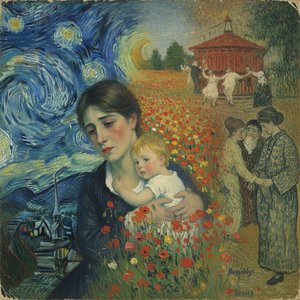
Capturing the Soul: The Most Emotionally Moving Impressionist and Post-Impressionist Masterpieces
Discover the profound emotional depth of Impressionist and Post-Impressionist masterpieces. Explore how legends like Monet, Van Gogh, and Gauguin captured light and soul through evocative landscapes and vibrant brushwork for a timeless connection to art history.


