American Realism · 1951
First Row Orchestra (エドワード・ホッパー, 1951)
エドワード・ホッパー (1882–1967)による作品『First Row Orchestra』 制作年は1951年です。 American Realism運動に属しています。 Oil On Canvasで制作されています。 サイズは79 × 102 cmです。
- 1951
- Oil On Canvas
- 79 × 102 cm

 設置イメージを表示

 手描き油彩画
 シェアする
 シェアする
 解説シート


 ダウンロード
 似ている作品
 X線調査
 スライドショーを表示
 Q&A

 統計情報
First Row Orchestraの概要
- 作品名
- First Row Orchestra
- 作家
- エドワード・ホッパー (1882–1967)
- 生年
- アッパー・ナイアック, アメリカ合衆国
- 制作年
- 1951
- 技法
- Oil On Canvas
- サイズ
- 79 × 102 cm
- 主題
- orchestra, theater, audience, formalwear, isolation, evening
First Row Orchestraには何が描かれていますか?
A Moment Frozen in Time: Edward Hopper’s “First Row Orchestra”
Edward Hopper's "First Row Orchestra," painted in 1951, isn’t merely a depiction of an evening at the theater; it’s a carefully constructed tableau of urban solitude and quiet contemplation – hallmarks of the artist’s enduring legacy. The painting captures a scene within the first row of an orchestra hall, bathed in the muted light of a late-night performance. It's a study in restraint, a masterful distillation of atmosphere rather than a vibrant narrative. Hopper, already renowned for his explorations of American alienation and the subtle dramas of everyday life, here presents us with a moment suspended in time, inviting viewers to consider the unspoken stories and quiet observations within this seemingly ordinary setting. The stark black-and-white palette—a deliberate choice by Hopper—amplifies the sense of detachment and emphasizes the formal architecture of the theater, creating an almost photographic quality that draws us into the scene.The Language of Light and Form
Hopper’s technique is characterized by a remarkable precision in rendering light and shadow. He employs a restrained use of color – primarily grays, browns, and blues – to create a sense of depth and atmosphere. The strong directional lighting, originating from unseen sources within the theater, sculpts the figures and architecture with dramatic effect. Notice how the light catches the folds of the woman’s fur coat, highlighting her posture and suggesting a private moment of absorption. The use of sharp edges and precise lines contributes to the painting's sense of formality and stillness. Hopper meticulously details the textures – from the plush velvet of the seats to the sheen of the polished wood – adding layers of visual interest without overwhelming the composition. The empty chairs in the foreground, a deliberate compositional element, serve as an invitation for the viewer to step into the scene and imagine themselves among the audience.A Portrait of Modern Isolation
“First Row Orchestra” is deeply rooted within the context of mid-20th century America – a period marked by rapid urbanization, social change, and a growing sense of isolation. Hopper’s work reflects this mood, portraying individuals often lost in their own thoughts, disconnected from one another despite being physically present in public spaces. The woman seated alone, engrossed in her program, embodies this theme perfectly. Her posture suggests both attentiveness to the performance and a profound detachment from the surrounding environment. The other figures – a couple engaged in conversation, a man observing with a slightly melancholic expression – further reinforce this sense of quiet solitude. Hopper wasn’t simply painting a scene; he was capturing a feeling—the subtle ache of loneliness that can permeate even the most crowded spaces.Symbolism and Emotional Resonance
Beyond its immediate visual appeal, “First Row Orchestra” is rich in symbolic meaning. The theater itself represents a temporary escape from the realities of everyday life, a space where individuals can momentarily lose themselves in art and entertainment. However, Hopper subtly suggests that this escape offers little solace. The darkened room, the muted colors, and the solitary figures all contribute to a sense of unease and melancholy. The curtain, a powerful visual element, acts as both a barrier between the audience and the stage and a symbol of separation – separating the performers from the spectators, and perhaps reflecting the emotional distance between individuals in modern society. The painting’s enduring power lies in its ability to evoke a complex range of emotions—a quiet sadness, a sense of longing, and a poignant awareness of human isolation.Bringing “First Row Orchestra” Home
OriginalUniqueArt offers meticulously crafted hand-painted reproductions of Edward Hopper's "First Row Orchestra," allowing you to experience the depth and nuance of this iconic artwork in your own space. Our skilled artists faithfully recreate Hopper’s masterful use of light, shadow, and composition, ensuring that your reproduction captures the painting’s original emotional impact. Whether displayed as a statement piece in a contemporary interior or as a thoughtful addition to a classic setting, “First Row Orchestra” is sure to spark conversation and evoke a sense of quiet contemplation—a timeless reminder of the beauty and melancholy inherent in the human experience. Explore our range of sizes and framing options to find the perfect reproduction for your collection.First Row Orchestraの高解像度画像

Protected by copyright: these files are for personal reference, not a licence to republish.
エドワード・ホッパー, First Row Orchestra (1951).
First Row Orchestraに関するよくあるご質問
エドワード・ホッパー作「First Row Orchestra」の制作時期はいつですか?
エドワード・ホッパー作「First Row Orchestra」は1951年に制作されました。
エドワード・ホッパー作「First Row Orchestra」 の技法(画材)は何ですか?
「First Row Orchestra」の技法はOil On Canvasです。
原画のエドワード・ホッパー作「First Row Orchestra」のサイズ(寸法)を教えてください。
原画エドワード・ホッパー作「First Row Orchestra」のサイズは79 x 102 cmです。
「First Row Orchestra」はどのような内容の作品ですか?
「First Row Orchestra」に描かれている主題はorchestra, theater, audience, formalwear, isolation, evening, concert, quietnessです。
エドワード・ホッパー作「First Row Orchestra」の画像は自由に複製できますか?
著作権について、「First Row Orchestra」は著作権の保護対象ですです。
「First Row Orchestra」の作者は誰ですか?
「First Row Orchestra」の作者はエドワード・ホッパーとされています。
エドワード・ホッパー作「First Row Orchestra」は、どの芸術流派に属していますか?
エドワード・ホッパー作「First Row Orchestra」はAmerican Realismに属しています。このムーブメントは、本作の様式的な背景を形作るものです。
「First Row Orchestra」は、エドワード・ホッパーの画業におけるどの時期の作品にあたりますか?
エドワード・ホッパーの画業において、「First Row Orchestra」はMature Periodに制作されたものです。この時期の作品を知ることで、同アーティストの他の作品との比較検討が可能になります。
「First Row Orchestra」が制作されたとき、エドワード・ホッパーは何歳でしたか?
エドワード・ホッパーは、1951年に「First Row Orchestra」を制作した際、69歳でした。この年齢は、アーティストの誕生年である1882年から算出されています。
アーティスト エドワード・ホッパー について
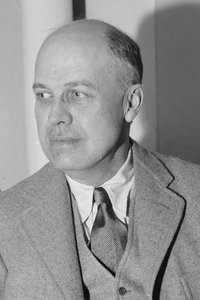
1882–1967, アメリカ合衆国
エドワード・ホッパー
アメリカン・シーンの静寂 エドワード・ホッパーは、アメリカ合衆国のアップ・ナイアックに生を受けました。彼の幼少期は、世界をじっと見つめる観察眼を養う日々であり、その習慣は、日付と署名が丁寧に記された子供時代のスケッチから始まっていました。両親は現実的な選択肢として商業イラストレーターの道を勧めましたが、彼の情熱は純粋芸術へと向かっていました。彼はニューヨーク・スクール・オブ・アートに入学し、ウィリアム・メリット・チェイスやロバート・ヘンリーに師事します。この修行時代は、世界を飾らず、ありのままに描き出すために必要な技術的習熟を彼に授けました。彼はパリで出会った印象派のような、刹那的な筆致を追い求めることはありませんでした。むしろ、群衆の動きよりも、ある瞬間に漂う静止した時間を尊ぶ、独自の視座を築き上げたのです。 彼の作品の多くは、日常的な風景に焦点を当てています。家々、ダイナー、オフィス、そしてホテルの客室。彼は余分な細部を削ぎ落とすことで、その情景の根底にある感情的な真実をあぶり出そうとしました。1925年の傑作線路脇の家では、シンプルな構図の中に、神秘性と孤独感が漂っています。彼は光と影を、単に部屋を説明するための道具としてではなく、情緒を醸成するための手段として用いました。壁に落ちる影の精密な描写や、窓に差し込む光の在り方は、被写体の心理状態を伝える彼独自の言語となったのです。 光と都市の内部空間 空間に差し込む光の在り方は、彼の絵画における中心的な登場人物といえます。1942年の『夜警(Nighthawks)』では、深夜のダイナーから漏れる強烈な蛍光灯の光が、人影のない都市の街路の暗闇を切り裂いています。店内にいる人々は、物理的には近くにありながらも、互いに断絶し、それぞれの思索の中に沈み込んでいるように見えます。こうした、混雑した都市の中にありながら感じる匿名性は、彼の繰り返される重要なテーマとなりました。彼は、公共の場にいながらにして孤独であるという緊張感を捉え、その感覚はオートマットや『小さな街のオフィス』といった作品の中に深く共鳴しています。彼は、人工的な光が夜の自然な暗闇とどのように交錯するかに、深い関心を寄せていたのです。 妻のジョセフィン・ニビソン・ホッパーは、彼の傍らに常に寄り添う存在でした。彼女自身も芸術家であり、しばしば彼のモデルを務めました。彼女の存在感は、彼が描く多くの女性像のキャラクター形成の中に息づいています。二人は質素な生活を送り、夏をニューイングランドで過ごすことも多く、それが彼が描く風景にも影響を与えました。田舎から都市に至るまで、エドワード・ホッパーが描くアメリカの風景は、しばしばある種の荒涼とした空虚さを強調します。それが『ガソリンスタンド』(1940年)の道端の施設であれ、ホテルの静かな一室であれ、主題は常に、物理的な場所と、個人の内面的な経験が交差する地点にあるのです。 観察が遺したもの ホッパーの影響は、映画や文学といった視覚言語の領域にまで及んでいます。構図を通じて心理的な緊張感を生み出す彼の卓越した能力は、イメージを通じて物語を語る手法を研究する多くの人々に注目されてきました。彼の作品は、現在も世界中の主要な美術館に収蔵されており、ホイットニー美術館やボストンのボストン美術館といった名だたるコレクションの一部となっています。彼は壮大な歴史的物語を描こうとしたのではありません。日常の静かな片隅に題材を見出し、ありふれた窓や通り過ぎる見知らぬ誰かを、人間存在の探求へと昇華させたのです。彼の作品は、今なお、人々の間に存在する「静寂」を問い続けています。
エドワード・ホッパーのその他の作品
 夜の客、シカゴ美術館所蔵1942
 オートマット(小)
 線路脇の家1925
 ニューヨーク・ムービー1939
First Row Orchestraに関するエッセイ
 エドワード・ホッパー傑作25選:アメリカの孤独と光影の世界 | OriginalUniqueArtエドワード・ホッパーの傑作25選。アメリカ絵画を代表するモダンアート、孤独と光影の世界を紐解きます。名画「Nighthawks」や「ハウス・バイ・ザ・レールロード」など、美術史に残る作品群をOriginalUniqueArtで高品質複製画としてお楽しみください。インテリアに深み…
 Solitude in Color: 10 Masterpieces That Capture the Essence of LonelinessExplore iconic works by Hopper and Dalí that capture profound solitude. Discover all masterpieces on OriginalUniqueArt.com.
 Figurative Expressionism: Integrating Raw Emotion and the Human Form into High-End Hospitality DesignElevate hospitality interiors with Figurative Expressionism. Discover how hand-painted oil reproductions of emotive human forms create prof…