

 設置イメージを確認
 送る
送る シェア
シェア
 詳細情報
詳細情報 ガイドを表示

 画像をダウンロード
 似ている作品
 X線調査
X線調査 スライドショー
 統計情報
統計情報The Band
 Acrylic On Canvas
- WallArt
- Surrealist Vision
 1934
1934- 19th Century
 760.0 x 555.0 cm
 British Council
 続きを読む
続きを読む
このページに掲載されている作品は著作権法によって保護されており、当社の許可なく同一の複製物を制作または販売することは法律で禁じられています。この保護は、以下のような国際条約に基づき執行されます。 ベルヌ条約 および、以下の条項に定められたものを含む各国の法律により、 米国著作権法 第17編。
この手法は、著作権で保護された作品の複製や複写を伴わないため、著作権法に完全に準拠しています。これは単なる模倣ではなく、創造的な再解釈です。元の作品からインスピレーションを受けつつも、それとは異なる、全く新しい絵画を生み出すものです。
ジークレー/アートプリント
スピーディーな制作と多彩な仕上げオプションが魅力の、ミュージアムクオリティなジークレー・キャンバスプリント。 ( 手描きの複製画を注文する デジタル画像販売へ切り替え)




P118B ¥10

P118H ¥10

P118W ¥10

P438Z ¥10

P508JH ¥12

P508YH ¥12

P805H ¥10

P805Z ¥10

P919BZ ¥10

P919G ¥10

P919XJ ¥10

P959ZH ¥10

P968JZ ¥12

W106C ¥8

W218G ¥10

W218JH ¥8

W218Y ¥10

W307PJ ¥10

W316G ¥10

W316PJ ¥8

W316Y ¥10

W398PJ ¥8

W4111J ¥10

W500HY ¥15

W500JH ¥15

W692G ¥12

W849H ¥8

W940BG ¥15

W953PJ ¥8




作品のオリジナル比率に合わせた、当店の規定サイズからお選びください。

額縁や壁のスペースに合わせて、ご希望の幅と高さを入力してください。プリントはカットすることは可能ですが、元の画像より大きくすることはできないため、異なる比率のサイズを選択された場合は、画像の一部が欠けることになります。印刷を開始する前に、内容を確認していただくためのデジタルモックアップをお送りいたします。このページに表示されている画像は、実際のカット後の状態を示すものではありません。実際の仕上がりはモックアップにてご確認ください。


 ガラスオプションは、110cm未満のサイズでのみご利用いただけます。

The Band
ジークレー/アートプリント
複製画サイズ一覧
-


合計金額
¥ 12582
Edward Burra’s ‘The Band’: A Captivating Glimpse into Harlem’s Jazz Age
Edward Burra's "The Band," completed in 1934, is more than just a depiction of an African-American jazz band; it’s a vibrant snapshot of a transformative moment in American culture and a testament to Burra’s unique artistic vision. Painted during his immersive journey into Harlem’s burgeoning cultural scene in October 1933, the artwork pulsates with energy, capturing the intoxicating rhythms of jazz and the spirit of liberation that defined the era. Burra, deeply influenced by Surrealism and Dadaist principles – a fact reflected in his eclectic approach to subject matter – doesn't simply record; he actively constructs a scene brimming with personality and intrigue. The painting’s off-center composition immediately draws the viewer into this contained world, creating an immediate sense of voyeuristic observation.
- Subject Matter: A lively jazz band performance in Harlem, New York City.
- Key Figures: An exaggerated conductor, a sultry songstress, and a jovial bystander, each contributing to the painting’s eccentric charm.
- Instrumentation: Detailed depictions of musical instruments – a drum set, violins, cellos – essential elements in conveying the heart of the jazz experience.
Technique and Materials: Watercolors and Burra's Unique Process
Created primarily using luminous watercolors on paper, “The Band” showcases Burra’s masterful control of color and his innovative approach to composition. Notably, due to chronic arthritis that plagued him throughout his life, Burra found oil paints too cumbersome to use, opting instead for the fluidity of watercolor. This decision profoundly shaped the painting's character – its delicate washes, luminous highlights, and a sense of immediacy. The artist’s meticulous attention to detail is evident in the rendering of costume, facial expressions, and skin tones, creating an atmosphere of intense vibrancy. The use of reflected stage lights, particularly on the sousaphone player’s glasses, adds a dramatic element, further emphasizing the performance's energy. Burra’s process involved spending hours observing the scene in bars and cafes before translating his memories onto the paper, a technique that imbued the work with a palpable sense of authenticity.
Historical Context and Symbolism: A Window into the 1930s
“The Band” is inextricably linked to the social and cultural landscape of Harlem during the 1930s. Harlem, at this time, was experiencing a remarkable renaissance – a flourishing of music, art, and literature fueled by the Great Migration of African Americans from the South. Burra’s presence in this vibrant environment, facilitated by his friendship with Olivia Wyndham and Edna Lloyd Thomas, reflects a genuine engagement with the era's artistic currents. The painting subtly evokes themes of social mobility, cultural exchange, and the allure of escape – all powerfully represented within the scene. The incongruous figure in the old-fashioned attire can be interpreted as a commentary on the clash between tradition and modernity, further enriching the artwork’s symbolic layers.
Emotional Impact and Artistic Legacy
“The Band” possesses an undeniable emotional resonance, capturing not just a musical performance but also the spirit of excitement, exuberance, and perhaps even a touch of melancholy that characterized this pivotal moment in American history. Burra's ability to blend observation with imagination, combined with his distinctive style, has secured his place as one of the most intriguing figures of Surrealist art. This large-scale watercolor reproduction offers an exceptional opportunity to experience the captivating energy and artistic brilliance of Edward Burra’s vision – a timeless piece that continues to resonate with collectors and art enthusiasts alike.
よくあるご質問
Edward Burra作「The Band」の原画はどこで見ることができますか?
原画の「The Band」はBritish Council, ロンドン, イギリスにてご覧いただけます。
「The Band」の色味は、鮮やかですか、それとも落ち着いていますか?
Edward Burra作「The Band」の色調は、Balanced Softの彩度とBalancedの強さを備えています。
「The Band」は、どのような色調に寄っていますか?
Edward Burra作「The Band」の主要な色調はAmber to Saffronです。この色調は、パレットの基調となるトーンを形作っています。
アーティストについて
Edward Burra: A Life in Surreal Visions
Early Life and Education
- Born: South Kensington, United Kingdom, 1905.
- Edward Burra demonstrated artistic talent early on, particularly as a draughtsman.
- He received his formal training at the Royal College of Art from 1923 to 1925, honing his skills in drawing and painting.
Early Travels and Influences (1920s)
- During the latter half of the 1920s, Burra travelled extensively throughout France.
- He focused on depicting detailed urban scenes, often portraying the harsh realities of life in cities like Toulon and Marseille.
- These early works reveal a keen observational eye and a sensitivity to social conditions.
- A pivotal moment came in 1927 when he met Paul Nash, who introduced him to avant-garde periodicals.
- Exposure to artists like George Grosz through these publications profoundly influenced Burra, inspiring him to experiment with collage and drawing within a Dadaist spirit.
Artistic Development & Key Themes (1930s-1940s)
- The Jungle (1931) exemplifies Burra’s fascination with the exotic and forbidden. The painting depicts a lavish dinner party set in a fantastical tropical world, blending sensuality with premonitions of death.
- Burra was among the first British artists to embrace Surrealism, creating a distinctive universe populated by extravagantly dressed women, workers, sailors, and soldiers—often situated in imaginary locales.
- His physical health, compromised from childhood, led him to favor watercolor as his primary medium due to its relative ease of use compared to oil paints.
- He held his first solo exhibition at the Leicester Galleries in 1930.
- The impact of Picasso’s Guernica was significant, prompting a shift in Burra's artistic style.
World War II and Later Life (1940s-1976)
- During World War II, travel restrictions led Burra to work as a stage designer for theatrical productions and ballets, achieving some recognition in this field.
- He declined an invitation to become a Royal Academician in 1963 but accepted the Order of the British Empire in 1971.
- A major retrospective of his work was organized by the Tate Gallery in 1973, solidifying his place within British art history.
- He died in Hastings on March 22, 1976, as a result of complications from a fractured iliac bone.
Artistic Style and Historical Significance
- Burra’s style is characterized by its unsettling atmosphere, vivid colors, and distorted figures.
- He masterfully blended elements of Dadaism and Surrealism with a uniquely British sensibility.
- His work offers a critical commentary on social issues, exploring themes of alienation, decadence, and the darker aspects of human nature.
- Though not always widely recognized during his lifetime, Edward Burra is now considered a pioneering figure in 20th-century British art, influencing subsequent generations of artists with his distinctive vision.

Edward Burra
1905 - 1976 , United Kingdom
アーティスト情報
- Name: Edward Burra
- Movement:
- Surrealism
- Dadaism
- Birth Date: 1905
- Death Date: 1976
- Birth Place: South Kensington, United Kingdom
- Nationality: British
- Date Of Birth: 1905
- Date Of Death: 1976
- Influenced By: Paul Nash, George Grosz
- Notable Works:
- The Jungle
- Dancing Skeletons
- The Snack Bar
- Soldiers at Rye
- Place Of Birth: South Kensington, United Kingdom
関連記事

Ephemeral Visions: Exploring the Artistic Legacy & Contemporary Practice of Watercolor Painting
Explore the captivating world of watercolor painting! Discover its rich history, essential techniques, influential artists & collecting tips. A comprehensive guide for art enthusiasts from OriginalUniqueArt.

Ephemeral Visions: Exploring the Artistic Legacy & Nuances of Watercolor Painting
Explore the captivating world of watercolor painting! Discover its rich history, essential techniques, influential artists & collecting tips from art experts. A comprehensive guide for enthusiasts.

Watercolor Wonders: 10 Masterpieces That Redefined Art History | OriginalUniqueArt
Journey through 10 legendary watercolor masterpieces by Sargent, Turner & Homer! Explore iconic landscapes, portraits & floral art that redefined history. Find museum-quality reproductions and curated decor ideas at OriginalUniqueArt.com.

Ephemeral Visions: Exploring the History & Emotional Resonance of Watercolor Painting
Explore the captivating history of watercolor painting, from ancient techniques to modern masters like Kandinsky & Blake. Discover essential artists, collecting tips & the emotional power of this luminous medium. Expert insights for art enthusiasts.
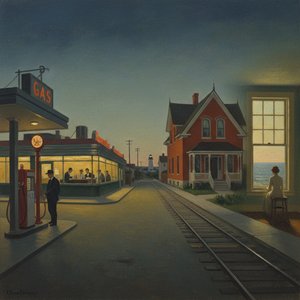
エドワード・ホッパー傑作25選:アメリカの孤独と光影の世界 | OriginalUniqueArt
エドワード・ホッパーの傑作25選。アメリカ絵画を代表するモダンアート、孤独と光影の世界を紐解きます。名画「Nighthawks」や「ハウス・バイ・ザ・レールロード」など、美術史に残る作品群をOriginalUniqueArtで高品質複製画としてお楽しみください。インテリアに深みを与えるアートプリントも多数。今すぐコレクションをご覧ください。