

 プレビュー
プレビュー
 シェアする
シェアする シェアする
シェアする
 詳細を見る
詳細を見る

 ダウンロード
 似ている作品
 X線調査
X線調査 スライドショー
 統計情報
統計情報Salome II


 詳細を見る
詳細を見る
オンラインプレビューをはるかに凌ぐ、高解像度で鮮明なデジタル画像をご購入いただけます。
各ファイルは、社内の専門家が高度なツールと熟練した手作業によるレタッチを用いて、細心の注意を払って準備されています。すべての画像において、卓越した鮮明度、正確な色彩再現性、そして繊細なディテールを保証いたします。
最終ファイルは、プロフェッショナルな編集・印刷環境ですぐにご利用いただけるよう最適化された状態で、72時間以内にメールにてお届けいたします。これは、一流のデザインスタジオ、出版社、ギャラリーから信頼されているものと同等の品質です。
デジタルアート
個人での鑑賞、印刷、クリエイティブなプロジェクト用に、高解像度ファイルをダウンロードできます。 ( プリント版に切り替え 手描きの絵画を購入)
デジタル画像のご注文に付随する特典
高品質なデジタル画像配信を、確かな品質で。
OriginalUniqueArt.com を選ぶことは、単に画像を手に入れることではありません。それは、プロの手によって精密に仕上げられ、満足保証が付いた高品質なデジタルアートワークを受け取ることを意味します。ご注文いただいた際に自動的に付随する内容は、以下の通りです:

メールですぐにお届け
ご注文から72時間以内に、高解像度のデジタル画像ファイルがメールでお手元に届きます。すぐにそのままご利用いただけます。

AI技術で最適化されたデジタルファイル
お客様の作品は、高度なAIツールと専門家による手作業の編集を組み合わせてプロフェッショナルに最適化されており、細部のディテール、鮮明さ、そして正確な色再現性を最大限に引き出しています。

一生涯無料の再送サービス
ファイルを誤って削除したり、紛失してしまったりしましたか?ご安心ください。いつでも無料で再送いたします。

輸入手数料は一切かかりません
関税や手数料、配送料を気にすることなく、お気に入りのアートワークをすぐにお楽しみいただけます。デジタルダウンロードは常に免税です。

色彩再現の保証
プロ仕様のツールとカラーマネジメント技術を用いることで、デジタル画像が元の色を最大限に忠実に再現することを保証いたします。

100日間満足保証
ご購入いただいたデジタル画像にご満足いただけない場合は、100日以内であれば、理由を問わず修正または100%の返金対応をさせていただきます。

100% 返金保証
ご満足いただけない場合は、デジタルファイルを受け取ってから100日以内であれば、理由を問わず全額返金いたします。

まとめ買い割引
3枚購入で10%OFF - 5枚購入で15%OFF - 10枚以上購入で20%OFF。クリエイティブなプロジェクト、ギャラリー、エージェンシーに最適です。
Salome II: A Descent into Melancholy – An Exploration of Edvard Munch’s Haunting Vision
Edvard Munch's "Salome II," painted in 1905, isn’t merely a depiction of a biblical scene; it’s a visceral plunge into the artist’s own tormented psyche. This arresting black and white drawing, rendered with a deliberate roughness reminiscent of charcoal or pencil, captures a moment suspended between violence and vulnerability – a potent distillation of Munch's lifelong preoccupation with death, anxiety, and the fragility of human connection. The image immediately commands attention: a woman, identified as Salome (though her precise identity remains shrouded in historical ambiguity), holds the head of a man aloft, his lifeless form dominating the right side of the composition. Her expression is unsettlingly ambiguous – a mixture of triumph, sorrow, and perhaps even a chilling detachment. The stark contrast between the dark, almost suffocating background and the pale flesh tones of Salome creates an immediate sense of drama and isolation.
Munch’s artistic journey was profoundly shaped by personal tragedy and philosophical questioning. Born in 1863 amidst a landscape scarred by illness and premature loss – his mother and sister succumbed to tuberculosis early in life – Munch developed a uniquely sensitive awareness of mortality. This wasn't simply biographical; it became the bedrock of his art, fueling an exploration of the darkest corners of the human experience. The influence of figures like Hans Jæger, a Norwegian nihilist who encouraged him to paint “soul painting,” further propelled Munch toward expressing inner turmoil rather than merely replicating external reality. “Salome II” embodies this approach; it’s less about a literal retelling of the biblical story and more about conveying the emotional weight of power, loss, and the unsettling consequences of transgression.
The Symbolism of Head and Hand
The central image – the severed head – is laden with symbolic significance. In the original biblical narrative, Salome demands the head of John the Baptist as a gruesome trophy. However, Munch’s interpretation transcends this literal event. The head itself becomes an emblem of death, vulnerability, and the ultimate loss of innocence. Notice how it's presented: not dramatically posed or gloriously displayed, but rather laid limply in Salome’s hands, suggesting a profound sense of defeat and perhaps even pity. Her hand, pale and slightly trembling, is equally evocative – it’s both an instrument of violence and a gesture of hesitant restraint.
The woman's attire—a hat that partially obscures her face—adds to the air of mystery and detachment. It suggests a deliberate attempt to conceal emotion, reinforcing the idea that Salome isn’t simply a vengeful figure but someone wrestling with complex inner conflicts. The overall composition is deliberately unbalanced, mirroring the emotional instability at play. The man's head occupies a significant portion of the frame, emphasizing its importance and highlighting the devastating impact of its loss.
Technique and Expressionist Style
Munch’s technique in “Salome II” is characterized by a deliberate lack of polish. The lines are rough and sketchy, creating a sense of immediacy and urgency. This raw approach contrasts sharply with the idealized forms often found in academic art of the period. The use of charcoal or pencil lends the drawing a tactile quality, inviting the viewer to engage with its surface directly. Notice the expressive shading—the deep shadows that engulf the background and the subtle gradations of tone used to depict Salome’s face – all contribute to the work's emotional intensity.
This style firmly places “Salome II” within the realm of Expressionism, a movement that sought to convey subjective emotions rather than objective reality. Munch was a key figure in this movement, and his art served as a powerful vehicle for exploring the anxieties and psychological complexities of modern life. The drawing’s unsettling atmosphere and ambiguous narrative continue to resonate with viewers today, cementing its place as one of Munch's most compelling and enduring works.
Bringing “Salome II” into Your Space
OriginalUniqueArt offers meticulously crafted hand-painted reproductions of "Salome II," allowing you to experience the power and emotional depth of this iconic artwork in a way that is both authentic and accessible. Our skilled artists replicate Munch’s distinctive style with remarkable precision, capturing the drawing's raw energy and haunting beauty. Whether displayed as a statement piece in a contemporary interior or as a thoughtful addition to a classic setting, a OriginalUniqueArt reproduction of “Salome II” will undoubtedly spark conversation and evoke profound contemplation.
作家の略歴
影に包まれた生涯:エドヴァルド・ムンクの世界
1863年、ノルウェーの厳しい自然の中で生まれたエドヴァルド・ムンクは、その作品を通して近代社会の不安と感情的な苦悩を象徴する芸術家となりました。彼の人生は喪失と憂鬱に深く影を落とされ、それが彼の心に響く表現力豊かな芸術を生み出す源泉となったのです。幼少期から母親と姉を肺結核で亡くした経験は、彼の中に死や病気、そして人間の存在の儚さに対する深い関心を植え付けました。これらの体験は単なる伝記的な事実ではなく、彼の芸術的ビジョンの核心となり、恐怖、悲しみ、憧れといった内面の風景を探求する飽くなき探求を促しました。厳格な宗教観を持つ父親や自身の精神的な苦悩もまた、ムンクの世界に蔓延る不安感を増幅させ、彼の個人的な人生だけでなく、絵画の象徴的な言語にも影響を与えました。彼は単なる情景を描写するのではなく、内面の状態を外部化し、心理的な苦痛を目に見える形で表現したのです。
表現への胎動:影響と芸術的発展
ムンクの芸術的旅はクリスティアーニア(オスロ)の王立美術設計学校での正式な訓練から始まりましたが、ニヒリストのハンス・ヤーガーとの出会いが彼の創造的な情熱を真に燃え上がらせました。ヤーガーはムンクに対し、従来の学術的なスタイルを捨て去り、自身の主観的な経験の深淵へと飛び込むことを奨励しました。彼はそれを「魂の絵画」と呼びました。この転換点こそが、ムンク独特のスタイル—生の感情、歪んだ形態、そして自然主義的表現の拒絶によって特徴づけられる—の始まりを告げたのです。1890年代にパリを訪れた彼は、勃興する後期印象派運動の影響を受け、ポール・ゴーギャン、フィンセント・ファン・ゴッホ、アンリ・ド・トゥールーズ=ロートレックといった芸術家たちの影響を吸収しました。彼らの大胆な色彩の使用法、表現力豊かな筆致は、ムンク自身の芸術的傾向と深く共鳴し、最も深遠で不安を煽る人間の感情を伝えることができる視覚言語へと統合されていったのです。ベルリンでの活動もまた重要であり、劇作家のアルベルト・シュヴァイツァーとの出会いは、心理的なテーマを探求するムンクの芸術的探求をさらに加速させました。
象徴的なビジョン:主要作品とその象徴的な重み
ムンクの作品群には、集団意識に深く刻み込まれたイメージが数多く存在します。おそらく彼の最も象徴的な作品である『叫び』は、絵画を超えて、現代人の実存的な不安を象徴する普遍的なシンボルとなっています。渦巻くような炎のような風景と、歪んだ表情の人物は、宇宙の無関心に対する原始的な叫びを体現しています。マドンナは、性、母性、そして死といったテーマを探求する、物議を醸し、深く個人的な作品です。彼の姉ソフィーの死に捧げられた『病気の子供』のようなモチーフは、ムンクの幼少期のトラウマと、常に存在する死の影に対する痛ましいリマインダーとして機能します。『憂鬱I & II』は、深い悲しみと孤立を描いた力強い作品であり、私たち自身の最も奥底にある部分に語りかける普遍的な共感を呼び起こします。これらの作品は単なる外部現実の描写ではなく、芸術家の魂への窓であり、人間の精神世界の暗い隅々を垣間見せてくれるのです。ムンクは美しいイメージを作り出すことを目指したのではなく、真実を伝えようとした—たとえそれが痛みを伴い、不安を煽るものであっても。
永続的な遺産:歴史的意義と持続的な影響
エドヴァルド・ムンクの芸術への貢献は計り知れません。彼は表現主義の発展における重要な人物であり、客観的な描写よりも主観的な感情を優先するアーティストたちの道を切り開きました。愛、喪失、不安、死といった普遍的な人間の経験を探求し続ける彼の作品は、今日でも聴衆に共鳴し続け、彼を芸術史上の最も影響力のある持続的な人物の一人として確固たる地位を確立しています。彼の仕事はドイツ表現主義をはじめとする後世の多くの芸術運動に深く影響を与えました。彼は慣習的な美の概念や芸術的表現に挑戦しながら、人間の状態のより暗い側面と向き合う勇気を持っていました。名声と評価—オスロのムンク美術館の設立という形で頂点に達した—を獲得した後も、彼の個人的な人生は不安定であり、精神的な不安定さと孤立の時期を経験しました。しかしそれにもかかわらず、彼は制作を続け、今なお私たちを挑発し、挑戦し、そして鼓舞する作品群を残しました。ムンクの遺産は単に絵画そのものにあるのではなく、人間の存在の複雑さを直視し、それを私たちの存在の最も深い部分に語りかける芸術へと翻訳する勇気にあるのです。
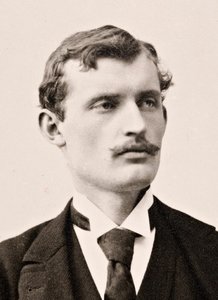
ムンク
1863 - 1944 , スウェーデン
プロフィール概要
- フルネーム: エドヴァルド・ムンク
- 主な作品:
- 叫び
- マドンナ
- 病気の子供
- 憂鬱I & II
- 出生地: アドゥルズブルク、スウェーデン
- 国籍: ノルウェー
- 影響を与えた芸術家または運動: ['ドイツ表現主義']
- 影響を受けたアーティスト:
- ポール・ゴーギャン
- フィンセント・ファン・ゴッホ
- トゥールーズ=ロートレック
- 死亡年月日: 1944年1月23日
- 生年月日: 1863年12月12日
- 芸術運動またはスタイル: 表現主義