

 送る
送る シェア
シェア
 詳細情報
詳細情報 ガイドを表示

 画像をダウンロード
 似ている作品
 スライドショー
 統計情報
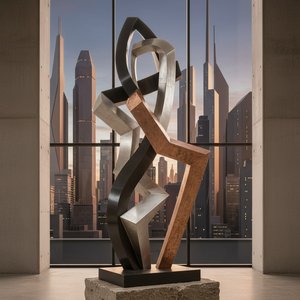
統計情報Embrace XI
 Metalwork
- Sculpture
- Abstract Sculpture
 1996
1996- Contemporary
 260.0 x 88.0 cm
 グッゲンハイム美術館ビルバオ
 続きを読む
続きを読む
このページに掲載されている作品は著作権法によって保護されており、当社の許可なく同一の複製物を制作または販売することは法律で禁じられています。この保護は、以下のような国際条約に基づき執行されます。 ベルヌ条約 および、以下の条項に定められたものを含む各国の法律により、 米国著作権法 第17編。
敬意を払った法的な代替手段として、私たちはオリジナルにインスピレーションを与えられた、カスタムの手描きアートワークを提供しています。私たちの熟練したプロのアーティストは、元の作品が持つスタイル、情緒、そして芸術的なエッセンスを注意深く研究し、独自の創作物でありながら、同じ感性を呼び起こすような、新しくユニークな作品を作り上げます。
この手法は、著作権で保護された作品の複製や複写を伴わないため、著作権法に完全に準拠しています。これは単なる模倣ではなく、創造的な再解釈です。元の作品からインスピレーションを受けつつも、それとは異なる、全く新しい絵画を生み出すものです。
手描き油彩複製画
当社のアーティストが、お客様のご希望のサイズと額縁に合わせて、キャンバスに手描きで制作する油彩画です。 ( プリント版に切り替え デジタル画像販売へ切り替え)




































作品のオリジナル比率に合わせた、当店の規定サイズからお選びください。

フレームや壁のスペースに合わせて、ご希望の幅と高さを入力してください。本作品は手描きのため、異なる比率のサイズをご希望の場合、絵画の周囲を少し広げて描くか、あるいは端を少しカットして調整することが可能です。お客様のご要望に合わせます。制作を開始する前に、仕上がりを確認するためのデジタルモックアップをお送りいたします。このページに表示されている画像は完成品の実物ではなく、あくまでモックアップによるイメージです。
ご注文後、OriginalUniqueArt.com チームより詳細な指示をお送りするとともに、仕上がりイメージ(モックアップ)をご提供いたします。


 ガラスオプションは、110cm未満のサイズでのみご利用いただけます。

Embrace XI
再現技法
複製画サイズ一覧
-


合計金額
¥ 47606
The Poetry of Forged Steel: A Dance of Form and Fire
In the realm of modern sculpture, few works command the space with as much visceral intensity as Eduardo Chillida’s Embrace XI. Created in 1996, this monumental steel structure is far more than a mere arrangement of metal; it is a captured moment of elemental struggle. The piece exists in a state of beautiful paradox, presenting itself as both vertical and curved, simultaneously rigid and fluid. To witness Embrace XI is to observe a silent dialogue between the artist’s will and the stubborn resistance of his medium. Unlike the more ethereal explorations found in his other works, this particular sculpture was born from a direct confrontation with fire and force, where sections of forged steel were manipulated through heat and strength to achieve their final, intertwining destiny.
The aesthetic language of the work is deeply rooted in the concept of organic growth. As the eye travels along the dark, heavy ribbons of metal, one does not see industrial coldness, but rather a biological rhythm. The steel sections curve and overlap with the grace of climbing vines or roots that emerge from the earth only to collapse back upon themselves in a tight, protective hold. This sense of "embracing" is central to the piece's identity, suggesting a profound intimacy between separate entities. For the collector or designer, this work offers a sophisticated interplay of shadow and silhouette, making it an extraordinary focal point for spaces that value structural depth and the evocative power of abstract form.
A Legacy of Materiality and Space
The mastery behind Embrace XI lies in Chillida’s unique ability to make heavy, industrial materials appear weightless and alive. His technique involved a deep, almost spiritual connection to the blacksmith's craft. By working alongside local artisans, Chillida mastered the art of coaxing life from iron, treating each curve as a way to "sculpt" the surrounding air. In this piece, the negative space—the gaps between the intertwining steel—is just as vital as the metal itself. The sculpture does not merely occupy space; it defines and contains it, creating a rhythmic tension that draws the viewer into its internal architecture.
Historically, Chillida’s work serves as a bridge between the rugged landscape of his native Basque Country and the universal language of abstraction. While he often rejected the label of "abstract artist," preferring to see himself as a realist capturing the essence of form, Embrace XI embodies this truth perfectly. It is a realistic depiction of tension, gravity, and connection. For those looking to integrate high-quality reproductions into a curated interior, this work provides an unparalleled sense of permanence and intellectual depth. It brings with it the monumental spirit of a master who found the soul within the stone and the heartbeat within the steel.
よくあるご質問
Eduardo Chillida作「Embrace XI」に関する統計情報はどこで確認できますか?
Eduardo Chillida作「Embrace XI」の統計情報ページでは、公開されている閲覧統計をご覧いただけます。この作品の月間閲覧数、アーティストのなかで最も閲覧されている作品との比較、そして訪問者の地域情報などが掲載されています。
贈り物として「Embrace XI」はどのような想いを届けてくれるのでしょうか?
Eduardo Chillida作「Embrace XI」が持つPowerfulなトーンは、おすすめのギフトシーンである「Corporate Gift」にぴったりです。
Eduardo Chillida作「Embrace XI」 の色彩は、どの程度調和していますか?
Eduardo Chillida作「Embrace XI」は、Strong Color Unityな色彩の調和を見せています。
アーティストについて
The Monumental Spirit of Eduardo Chillida
To speak of Eduardo Chillida is to speak of the very landscape of modern sculpture—a force of nature rendered in metal, stone, and wood. Born in San Sebastián on January 10, 1924, this Spanish Basque master was destined for a life marked by profound physical struggle and equally profound artistic triumph. Though his early path saw him pursuing architecture at the University of Madrid, it was the raw, undeniable call of art that ultimately redirected his destiny. His formative years were steeped in the cultural atmosphere of the Basque Country, an environment that would forever inform the deep resonance of his work.
His initial forays into sculpture began in Paris, a period where he wrestled with plaster and clay, absorbing influences from the great traditions housed within institutions like the Louvre. Yet, it was upon returning to the nurturing embrace of the Basque Country that Chillida’s artistic voice found its definitive timbre. The physical setbacks of his promising football career served perhaps as an unexpected crucible, channeling a restless energy into his creative pursuits.
Forging Form: Materials and Technique
Chillida's technical evolution is as compelling as the forms he created. Initially drawn to the delicate possibilities of plaster, he soon found his true medium in forged iron. Working alongside local blacksmiths, he mastered the art of transforming raw metal into structures that seemed both impossibly heavy and ethereally light. This mastery was not merely about joining materials; it was about coaxing them into a dialogue with space itself. His exploration expanded to include wood, notably when he began his seminal series, Anvil of Dreams, where wooden bases served as launching pads for metal forms that seemed to erupt in rhythmic, explosive curves.
The material choices were never arbitrary. Whether it was the cold strength of iron or the subtle luminescence of alabaster, Chillida treated each substance with a deep respect, allowing its inherent qualities—its weight, its patina, its resistance—to become integral parts of the sculpture's narrative. He sought not just to depict the human form, often focusing on torsos and busts, but to capture the very essence of existence struggling against constraint.
The Dialogue with Space: Abstract Realism
Despite his monumental scale and highly abstract compositions, Chillida himself resisted easy categorization. He preferred to be known as a "realist sculptor," suggesting that his abstraction was not an escape from reality, but rather a deeper excavation of it. His work is fundamentally concerned with the relationship between matter and void—the space around the sculpture is as vital, if not more so, than the material itself. This preoccupation led him to create public works that did not merely occupy space, but actively engaged with it, forcing the viewer into a physical conversation with the artwork.
His pieces often evoke primal energies and deep human introspection. They feel monumental because they are; they speak of endurance, of history, and of the enduring spirit of humanity rooted deeply in its cultural soil. The very act of viewing a Chillida piece becomes an immersive experience, one where the viewer must navigate the interplay between solid mass and infinite emptiness.
A Legacy Etched in Iron
Eduardo Chillida’s career stands as a towering achievement in 20th-century art. His body of work is a testament to relentless inquiry—an investigation into what it means to be human, contained within the boundaries of physical form and boundless spirit. From his early explorations to his later, massive public installations, he left behind a legacy that continues to challenge perceptions of weight, grace, and permanence. He did not just create sculptures; he forged dialogues between man, material, and the eternal space surrounding us.

Eduardo Chillida
1924 - 2002
アーティスト情報
- Full Name: Eduardo Chillida Juantegui
- Nationality: Spanish
- Date Of Birth: 1924
- Date Of Death: 2002
- Place Of Birth: San Sebastián, Spain
- Notable Artworks: ['Anvil of Dreams']
- Artistic Movement Or Style: Abstract/Figurative Sculpture
関連記事
Forged in Fire: The Timeless Strength and Ethereal Beauty of Metal Art
Discover the enduring allure of metal art. Explore how masterfully forged sculptures blend industrial strength with organic elegance to create timeless investment pieces for sophisticated collectors and luxury interiors.

Forging Elegance: The Ultimate Guide to Metal Art as a Modern Masterpiece
Discover the profound elegance of metal art. Our expert guide explores how handcrafted metallic sculptures and industrial-grade ironwork serve as modern masterpieces for discerning collectors seeking to elevate their luxury interiors with strength and grace.

The Enduring Form: Exploring Themes & Techniques in Sculpture Across Historical Periods
Explore the rich history of sculpture from ancient masterpieces to contemporary innovations. Discover key techniques, influential artists & investment potential for discerning art collectors.

Bronze Sculptures That Defined Art History | OriginalUniqueArt
Journey through art history with our Top 10 bronze sculptures! Explore masterpieces by Rodin, Michelangelo & more. Discover stories behind iconic statues and find museum-quality reproductions for your home decor at OriginalUniqueArt.com.

Metal Art for Commercial Spaces: A Procurement Guide to Durable & Modern Large-Scale Decor Solutions
Expert procurement guide for hotel designers and managers. Discover durable, large-scale metal art solutions for commercial spaces. Learn about material selection, maintenance, and efficient bulk ordering for high-traffic hospitality and corporate interiors.