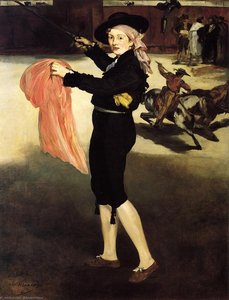
設置イメージを表示
 シェアする
シェアする シェアする
シェアする
 詳細を見る
詳細を見る ガイドを表示

 ダウンロード
 似ている作品
 X線調査
X線調査 スライドショーを表示
 Q&A
Q&A 統計情報
統計情報The philosopher

- 187.0 x 107.0 cm


 詳細を表示
詳細を表示
ジークレー/アートプリント
スピーディーな制作と多彩な仕上げオプションが魅力の、ミュージアムクオリティなジークレー・キャンバスプリント。 ( 手描き複製画を注文する デジタル画像販売へ切り替え)




P118B ¥10

P118H ¥10

P118W ¥10

P438Z ¥10

P508JH ¥12

P508YH ¥12

P805H ¥10

P805Z ¥10

P919BZ ¥10

P919G ¥10

P919XJ ¥10

P959ZH ¥10

P968JZ ¥12

W106C ¥8

W218G ¥10

W218JH ¥8

W218Y ¥10

W307PJ ¥10

W316G ¥10

W316PJ ¥8

W316Y ¥10

W398PJ ¥8

W4111J ¥10

W500HY ¥15

W500JH ¥15

W692G ¥12

W849H ¥8

W940BG ¥15

W953PJ ¥8




作品のオリジナル比率に合わせた、当店の規定サイズからお選びください。

額縁や壁のスペースに合わせて、ご希望の幅と高さを入力してください。プリントはカットすることは可能ですが、元の画像より大きくすることはできないため、異なる比率のサイズを選択された場合は、画像の一部が欠けることになります。印刷を開始する前に、内容を確認していただくためのデジタルモックアップをお送りいたします。このページに表示されている画像は、実際のカット後の状態を示すものではありません。実際の仕上がりはモックアップにてご確認ください。


 ガラスオプションは、110cm未満のサイズでのみご利用いただけます。

The philosopher
ジークレー/アートプリント
複製画サイズ一覧
-


合計金額
¥ 12817
The Philosopher: A Window into Manet’s Modern Soul
Édouard Manet's *The Philosopher*, painted in 1867, isn’t merely a portrait; it’s a carefully constructed tableau that encapsulates the burgeoning spirit of modern art. This oil-on-canvas work, measuring a substantial 187 x 107 cm, invites us into a quiet contemplation, a moment suspended between observation and thought. The subject, a man draped in a long coat and hat – a figure instantly recognizable as embodying intellectualism – stands on a Parisian street, his hands tucked casually into his pockets, radiating an aura of profound introspection. Yet, it’s not the individual that commands our attention entirely, but rather the subtle orchestration of elements surrounding him: the birds perched above, the clock subtly hinting at time's passage, and the carefully chosen background details. These aren’t merely decorative flourishes; they contribute to a layered narrative, inviting us to consider the nature of existence itself. The painting emerged from a pivotal moment in art history – a period of intense transition between Realism and Impressionism. Manet, already known for his provocative works like *Le Déjeuner sur l'herbe* and *Olympia*, was pushing boundaries with each new creation. He deliberately challenged academic conventions by depicting everyday life, often featuring ordinary people in unidealized ways. *The Philosopher* exemplifies this approach, eschewing the polished surfaces and heroic narratives favored by earlier generations of artists. Instead, Manet presents a scene stripped bare of sentimentality, focusing on the raw reality of urban existence. The muted palette – dominated by browns, grays, and ochres – reinforces this sense of understated observation. Notice how he employs loose brushstrokes, characteristic of his style, creating an almost hazy effect that softens the edges and contributes to the painting’s contemplative mood. Manet's stylistic choices are deeply rooted in both Realism and Impressionism. He retains a degree of realism in his depiction of the subject and setting, meticulously rendering the details of the man’s clothing and the streetscape. However, he also embraces the Impressionist emphasis on capturing fleeting moments of light and color. The dappled sunlight filtering through the background suggests movement and atmosphere, while the subtle shifts in tone create a sense of depth and spatial ambiguity. This blending of styles – realism tempered by impressionistic sensitivity – is what makes Manet such a revolutionary figure. He wasn’t simply painting what he saw; he was actively shaping how we perceive the world around us. The inclusion of birds, for instance, adds a layer of symbolic richness. Birds are often associated with freedom and intellect, further reinforcing the subject's philosophical nature. The historical context surrounding *The Philosopher* is crucial to understanding its significance. Manet’s work coincided with a period of rapid social and economic change in Paris – the rise of industrialization, urbanization, and a growing sense of alienation. His paintings reflected this turbulent atmosphere, capturing the anxieties and uncertainties of modern life. The painting's placement within the broader context of Manet's career reveals his deliberate attempt to challenge established artistic norms and pave the way for future generations of artists. *The Philosopher* stands as a testament to Manet’s innovative spirit and his profound impact on the development of modern art, ultimately finding its home in the prestigious Art Institute of Chicago, where it continues to captivate viewers with its quiet intensity and enduring relevance.Artistic Details & Symbolism
Let's delve deeper into the specific details that contribute to *The Philosopher’s* evocative power. The man himself is presented in a state of profound contemplation, his gaze directed towards an unseen horizon. His beard and mustache lend him an air of intellectual authority, solidifying his role as a philosopher. Note the careful rendering of his clothing – the long coat, the hat, the simple pocket watch – each element contributing to a sense of timelessness and dignity. The background is equally significant. The two birds perched above suggest a connection to nature, while the clock subtly reminds us of the relentless passage of time. These seemingly minor details are carefully orchestrated to create a harmonious whole, inviting viewers to engage in their own interpretations.Manet’s Legacy & Influence
Édouard Manet's influence on subsequent generations of artists is undeniable. His willingness to challenge conventions and depict modern life with unflinching honesty paved the way for Impressionism and beyond. Artists like Claude Monet, Pierre-Auguste Renoir, and Edgar Degas were deeply influenced by Manet’s techniques and his approach to subject matter. *The Philosopher*, in particular, demonstrates Manet's ability to capture a fleeting moment of human experience with remarkable sensitivity and insight. His work continues to inspire artists today, reminding us of the power of art to challenge our perceptions and expand our understanding of the world.Reproductions & Viewing Experience
OriginalUniqueArt offers meticulously crafted hand-painted reproductions of *The Philosopher*, capturing the essence of Manet’s original masterpiece with unparalleled fidelity. Our skilled artisans employ traditional oil painting techniques, carefully recreating every brushstroke and nuance of color. These reproductions are not merely copies; they are works of art in their own right, imbued with the same spirit and emotion as the original. Whether you choose a large-scale statement piece for your home or a smaller, more intimate reproduction to adorn your office, our hand-painted versions will bring this iconic artwork into your space, allowing you to appreciate its beauty and complexity for years to come. Explore our collection today and experience *The Philosopher* in a whole new light.Q&A
エドゥアール・マネ作「The philosopher」の制作時期はいつですか?
エドゥアール・マネ作「The philosopher」の制作年は1867年です。
「The philosopher」のプリントは、どのような用途でのご利用がおすすめですか?
エドゥアール・マネ作「The philosopher」の推奨される用途は光沢・反射性ですが、それ以外の使い道でもお楽しみいただけます。
「The philosopher」は、何年に、どの様式(ムーブメント)で制作されたものですか?
エドゥアール・マネ作「The philosopher」は1867年に制作されたもので、Realism and Impressionismに属します。
作家プロフィール
生い立ち、家族、そして修行時代
エドゥアール・マネは、1832年1月23日にパリに生を受けました。フランス司法省で要職に就いていた父を持つ、裕福な家庭の長男として育った彼の人生は、当初、海軍か法曹界という、社会的に安定した道が約束されているかのように見えました。少年時代、彼は父の期待に応えようと、海軍士官学校の入試に二度も挑みますが、その結果は不合格。しかし、この挫折こそが、彼の情熱をアトリエへと向かわせる決定的な転換点となりました。彼は自らの芸術への決意を証明するために、描き上げた作品を父の前に差し出し、ようやく正式に美術の道を歩むための許しを勝ち取ったのです。
1850年から1856年にかけて、彼はトマ・クルールの画塾で研鑽を積みました。そこでアカデミックな絵画の技術的基礎を学ぶ一方で、彼の視線は常にルーブル美術館へと向けられていました。彼は多くの時間を美術館のギャラリーで過ごし、巨匠たちのキャンバスの前に立ち、その技法を模写しては吸収していきました。光と形がどのように描かれているのかを深く探求し、過去の教えを血肉としながら、同時に自分自身の表現を見出すための準備を進めていたのです。この濃密な学習期間こそが、後に彼が伝統を打ち破り、独自の芸術へと飛躍するための強固な技術的土台となりました。
技法と芸術的スタイル
キャンバスの表面には、当時のサロンが求めた、筆跡を一切感じさせない滑らかで完璧な仕上げに対する、意図的な拒絶が刻まれています。筆の跡を塗りつぶして消し去るのではなく、そこには「ファクチュール」と呼ばれる、力強くエネルギッシュな絵具の塗布が鮮明に残されています。このアプローチは、絵具そのものが持つ物質的なリアリティを最優先させるものです。また、アッラ・プリマ(ウェット・オン・ウェット)と呼ばれる、絵具が乾かないうちに次々と色を重ねていく技法を用いることで、伝統的なアカデミックな手法のような、時間をかけて層を積み重ねる重厚なプロセスを避け、その瞬間の生々しい質感を捉えることに成功しています。この手法によって、光や大気の移ろいが、ある種の即興性を伴って描き出されるのです。
また、形態の構築において、独特の平面性が感じられる点も大きな特徴です。筆使いは非常に軽やかで、深い立体感を生み出すための重厚なモデリング(陰影による造形)をあえて避けています。その結果、画面内の空間はしばしば圧縮されたような感覚を鑑賞者に与えます。この効果をさらに強調するのが、強烈なコントラストを持つ色調の使用です。形を定義するために緩やかなグラデーションに頼るのではなく、明暗の劇的な変化を用いることで、都市の断片化された現代的な光を表現しています。数学的な遠近法や継ぎ目のない調和を拒絶したこのスタイルは、まるでイメージが目の前で直接組み立てられていくかのような、圧倒的な臨場感を生み出しているのです。
現代的な主題が巻き起こしたスキャンダル
1860年代半ば、エドゥアール・マネは世間の注目を浴び、相次ぐ論争の渦中に身を置くことになります。1863年に開催された「落選展(Salon des Refusés)」は、公式の審査員によって拒絶された作品たちに、表現の舞台を与えました。その中でも、瞬く間に大きな騒動を巻き起こしたのが草上の昼食でした。この作品は、裸婦を描く際に用いられる伝統的な神話や聖書の物語といった「言い訳」を一切排除していました。代わりに、ピクニックを楽しむ場に、着衣した二人の男性と一人の裸婦を並べて配置したのです。歴史的、あるいは神聖な文脈を拒絶したその大胆さは、鑑賞者を、加工されていない「現代の生」という剥き出しの現実へと突き放しました。
この緊張感は、1865年のオランピアの展示によって、さらに激しいものとなります。この作品は、当時のサロンにおいて最も衝撃的な一作と見なされました。マネはティツィアーノのウルビーノのヴィーナスの構図を借りながらも、そこから神話という保護膜を剥ぎ取り、女神の代わりに現代の娼婦を据え置いたのです。彼女は視線を逸らすことも、賞賛を誘うような仕草を見せることもありません。むしろ、多くの人々を不安にさせるほどの、真っ直ぐで挑戦的な眼差しで鑑賞者を見つめ返しました。批評家たちは、この理想化を排した表現と、主題のあまりにも露骨なリアリズムに対して、激しい怒りを向けたのです。
主題の選択だけでなく、絵具の扱われ方そのものも、激しい批判の対象となりました。多くの観衆は、荒々しく、エネルギーに満ちた筆致や、滑らかで継ぎ目のない仕上げの欠如を攻撃しました。彼らはそこに遠近法の誤りを見出し、伝統的な礼節のルールに背いていると断じました。しかし、ある者が「未熟さ」と呼んだものは、別の者にとっては、夢の世界への窓ではなく、キャンバスの上にある絵具の現実をありのままに見せようとする、意図的な選択として受け入れられていたのです。
主要な作品と傑作の数々
1861年、エドゥアール・マネは『スペインの歌手』を世に送り出し、サロンにおいて栄誉ある賞を受賞しました。この作品にはアンダルシアの衣装を纏ったモデルが描かれていますが、興味深いことに、ギターの弦は右利き用に張られているにもかかわらず、左利きがコードを押さえているかのような仕草で描かれています。この小さくも意図的な違和感は、モデルの足元に置かれた、ステレオタイプなスペイン風の静物画とともに、画面に独特の緊張感を与えています。
彼の筆致は、しばしば「今、この瞬間」の生々しさや、政治的な主題へと向かいました。1867年には、『メキシコ皇帝マクシミリアンの処刑』という重厚な作品を遺しています。その後、1870年代後半に自身の健康が衰え始めると、その関心はより小規模で、親密な主題へと移り変わっていきました。1882年には、現代的なカフェの喧騒と、そこに漂う心理的な曖昧さを見事に捉えた傑作『フォリー・ベルジェールのバー』を完成させています。そして人生の終焉が近づいた1883年頃には、『テーブルクロスに置かれた二輪の薔薇』のような、静謐な静物画へとその眼差しを向けていました。
『スペインの歌手』 (1861年)
『メキシコ皇帝マクシミリアンの処刑』 (1867年)
『フォリー・ベルジェールのバー』 (1882年)
『テーブルクロスに置かれた二輪の薔薇』 (1883年頃)
交流、ライバル、そして影響
エドゥアール・マネの筆致には、彼がルーブル美術館で深く研究した巨匠たちの重みが宿っています。彼は、自らの表現を切り拓く道筋を求めて、カラヴァッジョの劇的な光や、ベラスケスの流麗で深みのある色調に目を向けました。また、ゴヤからは、アカデミックな洗練された仕上げをあえて排した、ある種の直截的な表現を受け継いでいます。これらは単なる習作の域を超え、サロンが抱く既成概念を打ち砕くための武器となりました。彼は、色彩を緩やかに調和させることよりも、単一の力強い色彩が放つ存在感を重んじたのです。
パリのカフェや知的な社交界において、彼は後に時代を再定義することになる先駆者たちと共に歩んでいました。クロード・モネやエドガー・ドガといった、絵画の境界線を押し広げようとしていた画家たちと、空間や思想を共有していたのです。彼の私生活もまた、アヴァンギャルドの潮流と深く結びついていました。彼の義理の妹は、芸術家であるベルト・モリゾでした。彼はしばしば公的な美術機関の承認を求めながらも、その真の同志たちは、確立されたアカデミーの影で活動する革新者たちの中にいたのです。
また、彼の物議を醸すキャンバスの中に未来を見出したある作家は、彼にとって初期の、そして熱烈な擁護者となりました。この支持者が彼の作品を称賛する論考を発表したことで、変容しゆく芸術界における彼の地位が形作られていくことになります。たとえ大衆が彼の描く現代的な主題に対して敵意を向けたとしても、この支持は、彼のスタイルを「未完成」とし、主題を「不適切」と断じた批評家たちに対する、不可欠な対抗軸となりました。エドゥアール・マネは、アカデミーという旧世界の秩序と、街角に溢れる新しくも落ち着きのないエネルギーとの狭間に立ち続ける、稀有な存在だったのです。
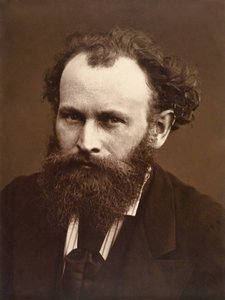
エドゥアール・マネ
1832 - 1883 , フランス
プロフィール概要
- Artistic Movement Or Style: 写実主義、印象派、アヴァンギャルド
- Artists Or Movements Influenced By This Artist:
- 印象派
- アヴァンギャルド
- クロード・モネ
- ベルト・モリゾ
- エドガー・ドガ
- ゴーギャン
- Artists Who Influenced This Artist:
- カラヴァッジョ
- ディエゴ・ベラスケス
- フランシスコ・ゴヤ
- ティツィアーノ
- ラファエロ
- フランス・ハルス
- ピーテル・パウル・ルーベンス
- Date Of Birth: 1832年
- Date Of Death: 1883年
- Full Name: エドゥアール・マネ
- Nationality: フランス
- Notable Artworks:
- 草上の昼食
- オランピア
- フォリー・ベルジェールのバー
- Place Of Birth: フランス、パリ
関連記事
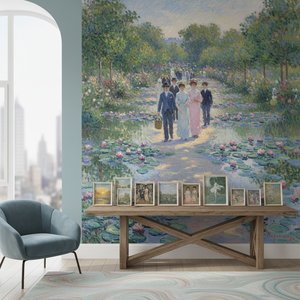
印象派を定義する至宝:時代を超えた10傑 – 美術、画家、そして洗練された空間演出
印象派を代表する10傑の世界へ。モネ、ルノワールら巨匠の技と色彩が織りなす至高の名作を紐解きます。美術、インテリアに新たなインスピレーションを。OriginalUniqueArt.comで、博物館品質のアート複製と洗練された空間演出を見つけましょう。

Romantic Realism's Finest: 10 Masterpieces for Your Home | OriginalUniqueArt
Explore 10 defining masterpieces of Romantic Realism! Discover Courbet, Millet & Daumier's powerful paintings—capturing emotion and social realities. Find museum-quality reproductions for your home at OriginalUniqueArt.com.

Impressionism's Masterpieces: 10 Paintings That Defined a Movement | OriginalUniqueArt
Journey through Impressionism's heart with 10 iconic paintings by Monet, Renoir & Degas. Explore light, color & the stories behind these masterpieces. Find museum-quality art reproductions and elevate your home decor on OriginalUniqueArt.com.

エドゥアール・マネ傑作25選:印象派の革新とモダンアートの世界 | OriginalUniqueArt
エドゥアール・マネの傑作25選🎨印象派を代表する画家、マネの世界を旅する。油絵「草上の昼食」や「オランピア」…革新的な色彩とモダンアートの魅力をOriginalUniqueArtで。高品質なアートプリントで、お部屋に芸術を🖼️

Impressionistic Realism's Finest: 10 Masterpieces for Your Home | OriginalUniqueArt
Journey through Impressionistic Realism with 10 iconic masterpieces by Monet, Renoir & Van Gogh. Explore art history, techniques & find museum-quality reproductions for your home at OriginalUniqueArt.com. Discover all masterpieces online!