- ホーム

- キャンバスプリント用
- エドゥアール・マネ
- The Funeral

 手描き複製画を注文する
 シェアする
シェアする シェアする
シェアする
 詳細を見る
詳細を見る

 ダウンロード
 似ている作品
 X線調査
X線調査 スライドショー
The Funeral
 キャンバスにアクリル絵具
- ウォールアート
- Impressionism
 1867
1867 73.0 x 91.0 cm
 メトロポリタン美術館
 詳細を見る
詳細を見る




P118B $10

P118H $10

P118W $10

P438Z $10

P508JH $12

P508YH $12

P805H $10

P805Z $10

P919BZ $10

P919G $10

P919XJ $10

P959ZH $10

P968JZ $12

W106C $8

W218G $10

W218JH $8

W218Y $10

W307PJ $10

W316G $10

W316PJ $8

W316Y $10

W398PJ $8

W4111J $10

W500HY $15

W500JH $15

W692G $12

W849H $8

W940BG $15

W953PJ $8




作品のオリジナル比率に合わせた、当店の規定サイズからお選びください。

特定のフレームやスペースに合わせて、ご自身でサイズを指定することも可能です。選択されたサイズが元の画像の比率と一致しない場合、作品をトリミングするか、鏡面反射または単色での塗りつぶしによって画像を拡張いたします。制作を開始する前に、ご確認用のデジタルモックアップをお送りいたします。
画面上のプレビューには、実際のトリミングや拡張は反映されませんのでご注意ください。最終的な構図を正確に確認できるのは、モックアップのみとなります。
カスタムサイズも承っておりますが、元の比率を維持するためには、あらかじめ用意されたリストからサイズを選択することをお勧めいたします。


 ガラスオプションは、110cm未満のサイズでのみご利用いただけます。

The Funeral
ジークレー/アートプリント
複製画のサイズ
-


合計金額
-
作品詳細説明
The Funeral: A Moment Frozen in Impressionistic Light
Édouard Manet’s “The Funeral,” completed in 1867, stands as a poignant emblem of the burgeoning Impressionist movement and its rejection of academic conventions. More than just a depiction of a somber occasion—the funeral of writer Charles Baudelaire—it's an ambitious exploration of space, light, and emotion that cemented Manet’s position as one of the pioneers of modern art.
- Subject Matter: The painting portrays a funeral procession winding its way through Mouffetard Street in Paris. At the center is a hearse carrying Baudelaire's coffin, accompanied by mourners – primarily men – who are largely absent from the scene. This deliberate omission underscores Manet’s fascination with capturing fleeting moments and psychological states rather than idealized representations.
- Style & Technique: Unlike the meticulous detail favored by Realist painters like Gustave Courbet, Manet employs loose brushstrokes and muted colors characteristic of Impressionism. He abandons traditional chiaroscuro—the dramatic interplay of light and shadow—opting instead for diffused illumination that softens the contours of figures and buildings. This technique prioritizes capturing the atmosphere of the day – a stormy September afternoon – over precise topographical accuracy.
A Landscape Steeped in Symbolism
Beyond its immediate subject, “The Funeral” is rich in symbolic references. The elevated cityscape—featuring landmarks such as Notre Dame Cathedral, the Panthéon, and the Observatoire de Paris—represents intellectual and spiritual grandeur juxtaposed against the earthly reality of grief. Notably, Manet deliberately brought the domes of the Observatoire and Notre Dame closer together, a compositional decision that subtly elevates the visual importance of faith and contemplation.
- Composition: The diagonal thrust of the hearse dominates the canvas, guiding the viewer’s gaze across the scene. The distant buildings serve as anchors for perspective, creating depth and reinforcing the sense of space. However, Manet eschews traditional linear perspective, favoring a flattened horizon line that contributes to the painting's overall feeling of immediacy.
- Color Palette: Dominant hues are muted browns, grays, and blues—reflecting the gloomy weather conditions. Yet, flashes of warmer tones – particularly in the sky – hint at an underlying tension between sorrow and resilience. These subtle color choices heighten the emotional impact of the scene.
Historical Context & Artistic Influence
"The Funeral" was conceived as a memorial to Baudelaire, whose death profoundly affected Manet’s artistic sensibilities. The painting reflects the anxieties and uncertainties of the era—the decline of aristocratic values, the rise of materialism, and the questioning of established norms.
- Realist Roots: Despite its Impressionistic style, “The Funeral” retains traces of Realism’s commitment to portraying everyday life with unflinching honesty. Manet meticulously rendered the textures of clothing and pavement, demonstrating his mastery of observation and technique.
- Legacy: This artwork undeniably propelled Manet into the forefront of artistic innovation. His bold experimentation with light, color, and composition paved the way for subsequent Impressionist painters like Monet and Renoir, establishing a new aesthetic standard that continues to inspire artists today. It’s considered a cornerstone in the evolution from Realism to Impressionism.
A reproduction of “The Funeral” offers an exceptional opportunity to experience Manet's groundbreaking vision—a testament to his ability to transform a simple funeral procession into a profound meditation on life, death, and the passage of time.
アーティストの略歴
エドゥアール・マネ:近代美術への革命とパリの光
エドゥアール・マネ、1832年パリに裕福なブルジョワ階級の一員として生まれました。法曹や海軍といった堅実な将来が期待されたにも関わらず、彼の心は芸術へと強く惹かれていました。若くして絵画の才能を開花させ、アカデミックな画家トマ・クールへの弟子入りも経験しましたが、その厳格な手法に反発し、独自の道を歩むことを決意します。マネは単なる過去の模倣ではなく、現代パリの鮮やかな光と、時に不穏な現実を捉えることを志向しました。ルーブル美術館に通い詰める彼は、カラヴァッジョやベラスケスといった巨匠から、光と影がどのように形態を彫刻し、感情を喚起するかを学びました。そして、クールベ率いる写実主義の台頭は、マネの創造性を大きく刺激し、歴史画や神話的主題からの解放をもたらしました。伝統との決別:スキャンダルと革新
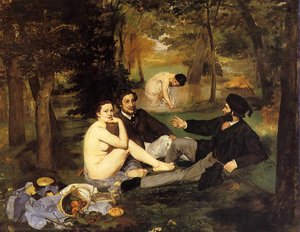
1860年代はパリで激しい芸術的変革期を迎え、マネはその中心に位置していました。日本版画(浮世絵)の到来は、彼の美意識に深い影響を与えました。大胆な構図、鮮やかな色彩、そして平面的な遠近法といった要素に魅せられ、自身の作品に取り入れます。この影響と、アカデミックな技巧への拒絶が相まって、パリのアート界を震撼させるような作品が生み出されました。『草上の昼食』(Le Déjeuner sur l'herbe)は1863年の落選展に出品され、大きな論争を巻き起こしました。裸婦が着衣した男性たちとピクニックを楽しむという構図は、従来のヌード絵画とは一線を画していました。マネの描くヌードは、理想化された美しさや神話的な背景を持たず、現代的で、見る者に衝撃を与える直接性を持っていました。『草上の昼食』のスキャンダルは、1865年の傑作『 Olympia 』によってさらに激化します。これはティツィアーノの『ウルビーノのヴィーナス』を大胆に再解釈した作品であり、現代の娼婦が鑑賞者を見つめ返す姿を描いています。その率直なリアリズムと挑発的な主題は、広範な非難を浴びましたが、その裏にはマネが絵画の表現様式を根本的に変革しているという認識がありました。印象主義への橋渡し:光、筆致、そして現代生活
マネ自身は「印象派」とのレッテルを嫌い、写実主義者として自己を規定しましたが、その影響は彼らの芸術に計り知れません。マネもまた、アカデミックな慣習からの脱却と、光の効果や大気の描写へのコミットメントを共有していました。モネ、ルノワール、ドガといった画家たちと共に独立展に参加し、前衛芸術における重要な位置を確立しました。マネの技法はより自由な筆致へと進化し、正確な細部よりも形態の印象を優先するようになりました。色彩も実験的に用いられ、劇的な効果を生み出す鮮やかなコントラストが特徴です。スキャンダルを巻き起こしたヌード作品以外にも、妻スザンヌや作家エミール・ゾラの肖像画、パリの夜の賑わいを描いた『モンマルトルの飲み屋』など、幅広い主題を探求しました。彼は単にこれらの主題を描写するだけでなく、社会規範を問い直し、美の慣習的な概念に挑戦していました。遺産と持続的な影響
エドゥアール・マネは1883年の若年期の死(梅毒による)によって、すでに芸術史の流れを変えていたキャリアを途絶えさせました。彼の評判は死後大きく高まりましたが、その影響はすぐに若い世代のアーティストたちに及んでいます。マネは伝統的な主題、技法、そして芸術的目的に対する障壁を取り払い、解放者として迎えられました。- 現代生活の描写への重点は、印象派や新印象派へと道を開きました。
- 革新的な筆致と色彩の使用は、後世の画家たちに影響を与えました。
- 不快な真実を社会に突きつける姿勢は、鑑賞者に自身の前提を問い直させました。
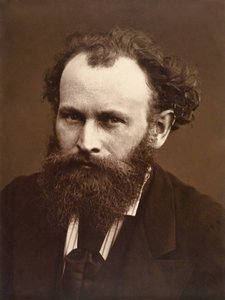
エドゥアール・マネ
1832 - 1883 , フランス
基本情報
- フルネーム: エドゥアール・マネ
- 主な作品:
- déjeuner sur l'herbe
- Olympia
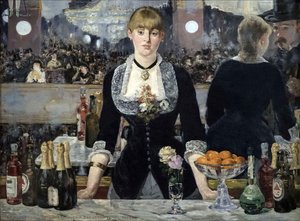
- A Bar at the Folies-Bergère
- 出生地: パリ、フランス
- 国籍: フランス人
- 影響を与えた芸術家:
- クロード・モネ
- ルノワール
- ドガ
- 影響を受けた芸術家:
- カラヴァッジョ
- ベラスケス
- クールベ
- 没年月日: 1883年4月30日
- 生年月日: 1832年1月23日
- 芸術運動: 写実主義、印象派
関連記事
エドゥアール・マネ傑作25選:印象派の革新とモダンアートの世界 | OriginalUniqueArt
エドゥアール・マネの傑作25選🎨印象派を代表する画家、マネの世界を旅する。油絵「草上の昼食」や「オランピア」…革新的な色彩とモダンアートの魅力をOriginalUniqueArtで。高品質なアートプリントで、お部屋に芸術を🖼️
クロード・モネ傑作25選:光と色彩の印象派を彩る名画の世界 | OriginalUniqueArt
クロード・モネの傑作25選。印象派を代表する光の画家、モネの世界を旅しませんか?睡蓮や風景画など、名画の背景にある物語と芸術技法をご紹介。OriginalUniqueArtで高品質な複製画とインテリアアートを見つけましょう。全コレクションはこちら。

ポール・セザンヌ:至高の25選 - 傑作と革新の軌跡 | OriginalUniqueArt
ポール・セザンヌの至高の25選。ポスト印象派を代表する画家、セザンヌの傑作と革新的な技法を紐解きます。OriginalUniqueArtで高品質な複製画やインテリアアートを見つけ、芸術の世界をご自宅に。今すぐコレクションをご覧ください。

Impressionism's Masterpieces: 10 Paintings That Defined a Movement | OriginalUniqueArt
Journey through Impressionism's heart with 10 iconic paintings by Monet, Renoir & Degas. Explore light, color & the stories behind these masterpieces. Find museum-quality art reproductions and elevate your home decor on OriginalUniqueArt.com.
印象派を定義する至宝:時代を超えた10傑 – 美術、画家、そして洗練された空間演出
印象派を代表する10傑の世界へ。モネ、ルノワールら巨匠の技と色彩が織りなす至高の名作を紐解きます。美術、インテリアに新たなインスピレーションを。OriginalUniqueArt.comで、博物館品質のアート複製と洗練された空間演出を見つけましょう。