

 設置イメージを確認
 送る
送る シェア
シェア
 詳細情報
詳細情報 ガイドを表示

 画像をダウンロード
 似ている作品
 X線調査
X線調査 スライドショー
 統計情報
統計情報Le bailarin

 続きを読む
続きを読む
ジークレー/アートプリント
スピーディーな制作と多彩な仕上げオプションが魅力の、ミュージアムクオリティなジークレー・キャンバスプリント。 ( 手描きの複製画を注文する デジタル画像販売へ切り替え)




P118B ¥10

P118H ¥10

P118W ¥10

P438Z ¥10

P508JH ¥12

P508YH ¥12

P805H ¥10

P805Z ¥10

P919BZ ¥10

P919G ¥10

P919XJ ¥10

P959ZH ¥10

P968JZ ¥12

W106C ¥8

W218G ¥10

W218JH ¥8

W218Y ¥10

W307PJ ¥10

W316G ¥10

W316PJ ¥8

W316Y ¥10

W398PJ ¥8

W4111J ¥10

W500HY ¥15

W500JH ¥15

W692G ¥12

W849H ¥8

W940BG ¥15

W953PJ ¥8




作品のオリジナル比率に合わせた、当店の規定サイズからお選びください。

額縁や壁のスペースに合わせて、ご希望の幅と高さを入力してください。プリントはカットすることは可能ですが、元の画像より大きくすることはできないため、異なる比率のサイズを選択された場合は、画像の一部が欠けることになります。印刷を開始する前に、内容を確認していただくためのデジタルモックアップをお送りいたします。このページに表示されている画像は、実際のカット後の状態を示すものではありません。実際の仕上がりはモックアップにてご確認ください。


 ガラスオプションは、110cm未満のサイズでのみご利用いただけます。

Le bailarin
ジークレー/アートプリント
複製画サイズ一覧
-


合計金額
¥ 12591
Édouard Manet’s ‘Le Bailarin’: A Parisian Snapshot of Performance and Observation
Édouard Manet's “Le Bailarin” (1862) isn’t merely a black and white drawing; it’s a meticulously observed moment captured in ink, a fleeting glimpse into the vibrant heart of 19th-century Paris. The image presents us with a solitary figure – a dancer, or ‘bailarín’ as he's known here – poised on one leg, his sword held aloft, radiating an aura of contained energy and perhaps even a touch of defiant grace. This work, part of Manet’s broader exploration of modern life, transcends simple portraiture to become a study in posture, gesture, and the subtle drama inherent in everyday observation.
Manet's technique is remarkably precise for an etching, revealing a deep understanding of tonal values and line. The stark contrast between light and shadow sculpts the dancer’s form, emphasizing his muscular physique and the controlled tension in his stance. Notice how Manet uses hatching – closely spaced parallel lines – to create texture on the fabric of his suit and the gleam of his sword. This deliberate attention to detail speaks to a commitment to realism, yet it's tempered by an artist’s eye for composition and expressive form. The loose, almost sketch-like quality of some areas suggests a rapid process, mirroring Manet’s desire to capture the immediacy of the scene rather than meticulously replicating it.
A Parisian Stage: Context and Subject
“Le Bailarin” emerged during a period of immense social and artistic change in Paris. The city was rapidly industrializing, transforming from a provincial town into a bustling metropolis teeming with new experiences and anxieties. Manet, like many artists of his generation, sought to depict this evolving reality, moving away from the idealized subjects and historical narratives favored by the established academic art world. The dancer himself represents a specific segment of Parisian society – performers in theaters and music halls were increasingly popular entertainment, offering both escapism and social commentary.
Interestingly, the subject is identified as “Don Mariano Camprubi,” a real-life dancer who performed at the Royal Theatre of Madrid. Manet’s choice to portray him not just as a performer but as a figure imbued with quiet dignity suggests a deeper interest in capturing the essence of an individual within his profession. The inclusion of details like the sword – a symbol of power and perhaps even danger – adds another layer of complexity, hinting at the potential for both spectacle and vulnerability.
Symbolism and Emotional Resonance
Beyond its straightforward depiction, “Le Bailarin” is rich in symbolic resonance. The dancer’s solitary pose speaks to themes of isolation and self-reliance, while his upright stance conveys a sense of strength and control. The book resting near the bottom left corner – a subtle detail often overlooked – could represent knowledge, aspiration, or perhaps simply the quiet contemplation that might follow a performance. The overall mood is one of restrained intensity; there’s no overt drama, but rather a palpable feeling of contained energy.
Manet's deliberate choice to render the scene in monochrome further amplifies this emotional impact. Black and white forces us to focus on form, line, and texture, stripping away any distractions and intensifying the sense of observation. It’s a technique that allows the viewer to become an active participant in interpreting the image, inviting them to contemplate the dancer's story and his place within the bustling world of 19th-century Paris. “Le Bailarin” remains a powerful testament to Manet’s ability to capture not just a likeness but also the spirit of a moment.
Reproductions & Artistic Inspiration
OriginalUniqueArt offers meticulously crafted, hand-painted reproductions of Édouard Manet's "Le Bailarin," allowing you to bring this iconic work into your home or studio. Our artists replicate Manet’s nuanced technique and evocative atmosphere with the highest level of skill and attention to detail. Whether you are an art collector, interior designer, or simply a lover of fine art, our reproductions provide a beautiful and authentic way to experience this pivotal moment in artistic history. Explore the available options on our website and discover how you can own a piece of Parisian artistry.
よくあるご質問
エドゥアール・マネ作「Le bailarin」の複製画は、どのような用途に適していますか?
エドゥアール・マネ作「Le bailarin」の複製画は、Statementに最適です。作品の主題、情緒、そして色彩に基づいたおすすめの活用方法です。
エドゥアール・マネ作「Le bailarin」の手描き複製画を販売しているのはどこですか?
エドゥアール・マネ作「Le bailarin」の手描き複製画は、当サイトの手描き油彩複製画ページよりリネンキャンバスに手描きされた油彩複製画にてご購入いただけます。
エドゥアール・マネ作「Le bailarin」のどのプリントサイズが、推奨されているお部屋に最適ですか?
Living Roomには、エドゥアール・マネ作「Le bailarin」の推奨プリントサイズはLargeです。
アーティストについて
エドゥアール・マネ:近代美術への革命とパリの光
エドゥアール・マネ、1832年パリに裕福なブルジョワ階級の一員として生まれました。法曹や海軍といった堅実な将来が期待されたにも関わらず、彼の心は芸術へと強く惹かれていました。若くして絵画の才能を開花させ、アカデミックな画家トマ・クールへの弟子入りも経験しましたが、その厳格な手法に反発し、独自の道を歩むことを決意します。マネは単なる過去の模倣ではなく、現代パリの鮮やかな光と、時に不穏な現実を捉えることを志向しました。ルーブル美術館に通い詰める彼は、カラヴァッジョやベラスケスといった巨匠から、光と影がどのように形態を彫刻し、感情を喚起するかを学びました。そして、クールベ率いる写実主義の台頭は、マネの創造性を大きく刺激し、歴史画や神話的主題からの解放をもたらしました。伝統との決別:スキャンダルと革新
1860年代はパリで激しい芸術的変革期を迎え、マネはその中心に位置していました。日本版画(浮世絵)の到来は、彼の美意識に深い影響を与えました。大胆な構図、鮮やかな色彩、そして平面的な遠近法といった要素に魅せられ、自身の作品に取り入れます。この影響と、アカデミックな技巧への拒絶が相まって、パリのアート界を震撼させるような作品が生み出されました。『草上の昼食』(Le Déjeuner sur l'herbe)は1863年の落選展に出品され、大きな論争を巻き起こしました。裸婦が着衣した男性たちとピクニックを楽しむという構図は、従来のヌード絵画とは一線を画していました。マネの描くヌードは、理想化された美しさや神話的な背景を持たず、現代的で、見る者に衝撃を与える直接性を持っていました。『草上の昼食』のスキャンダルは、1865年の傑作『 Olympia 』によってさらに激化します。これはティツィアーノの『ウルビーノのヴィーナス』を大胆に再解釈した作品であり、現代の娼婦が鑑賞者を見つめ返す姿を描いています。その率直なリアリズムと挑発的な主題は、広範な非難を浴びましたが、その裏にはマネが絵画の表現様式を根本的に変革しているという認識がありました。印象主義への橋渡し:光、筆致、そして現代生活
マネ自身は「印象派」とのレッテルを嫌い、写実主義者として自己を規定しましたが、その影響は彼らの芸術に計り知れません。マネもまた、アカデミックな慣習からの脱却と、光の効果や大気の描写へのコミットメントを共有していました。モネ、ルノワール、ドガといった画家たちと共に独立展に参加し、前衛芸術における重要な位置を確立しました。マネの技法はより自由な筆致へと進化し、正確な細部よりも形態の印象を優先するようになりました。色彩も実験的に用いられ、劇的な効果を生み出す鮮やかなコントラストが特徴です。スキャンダルを巻き起こしたヌード作品以外にも、妻スザンヌや作家エミール・ゾラの肖像画、パリの夜の賑わいを描いた『モンマルトルの飲み屋』など、幅広い主題を探求しました。彼は単にこれらの主題を描写するだけでなく、社会規範を問い直し、美の慣習的な概念に挑戦していました。遺産と持続的な影響
エドゥアール・マネは1883年の若年期の死(梅毒による)によって、すでに芸術史の流れを変えていたキャリアを途絶えさせました。彼の評判は死後大きく高まりましたが、その影響はすぐに若い世代のアーティストたちに及んでいます。マネは伝統的な主題、技法、そして芸術的目的に対する障壁を取り払い、解放者として迎えられました。- 現代生活の描写への重点は、印象派や新印象派へと道を開きました。
- 革新的な筆致と色彩の使用は、後世の画家たちに影響を与えました。
- 不快な真実を社会に突きつける姿勢は、鑑賞者に自身の前提を問い直させました。
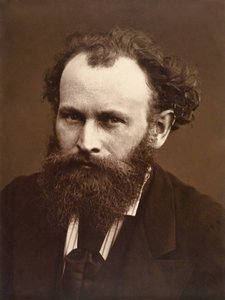
エドゥアール・マネ
1832 - 1883 , フランス
アーティスト情報
- フルネーム: エドゥアール・マネ
- 主な作品:
- déjeuner sur l'herbe
- Olympia
- A Bar at the Folies-Bergère
- 出生地: パリ、フランス
- 国籍: フランス人
- 影響を与えた芸術家:
- クロード・モネ
- ルノワール
- ドガ
- 影響を受けた芸術家:
- カラヴァッジョ
- ベラスケス
- クールベ
- 没年月日: 1883年4月30日
- 生年月日: 1832年1月23日
- 芸術運動: 写実主義、印象派
関連記事
Édouard Manet: Pioneering Modernism & Challenging Artistic Conventions
Explore the life & art of Édouard Manet, a pivotal figure bridging Realism and Impressionism. Discover his revolutionary techniques, controversial masterpieces like 'Olympia,' and lasting impact on modern art history.
エドゥアール・マネ傑作25選:印象派の革新とモダンアートの世界 | OriginalUniqueArt
エドゥアール・マネの傑作25選🎨印象派を代表する画家、マネの世界を旅する。油絵「草上の昼食」や「オランピア」…革新的な色彩とモダンアートの魅力をOriginalUniqueArtで。高品質なアートプリントで、お部屋に芸術を🖼️

The Intricate World of Etching: A Historical Survey of Technique, Aesthetic Evolution, and Enduring Artistic Impact
Explore the rich history of etching, from its origins to modern practice. Discover techniques, key artists like Rembrandt, and insights for collectors. A comprehensive guide by OriginalUniqueArt.
Etching Masters: 10 Legendary Prints That Revolutionized Art | OriginalUniqueArt
Journey through 10 legendary etching masterpieces by Rembrandt, Dürer & Goya. Explore the history of printmaking and discover timeless art for your home. Find museum-quality reproductions at OriginalUniqueArt.com.

Etching: A Historical Survey of Technique, Aesthetic Qualities & Enduring Artistic Significance
Explore the rich history of etching, from its origins to Rembrandt's masterful innovations. Discover the technique, aesthetic qualities & enduring legacy of this captivating art form. Expert insights for collectors and enthusiasts.


