

 プレビュー
プレビュー
 シェアする
シェアする シェアする
シェアする
 詳細を見る
詳細を見る

 ダウンロード
 似ている作品
 X線調査
X線調査 スライドショー
 統計情報
統計情報La queue devant la boucherie

 詳細を見る
詳細を見る
オンラインプレビューをはるかに凌ぐ、高解像度で鮮明なデジタル画像をご購入いただけます。
各ファイルは、社内の専門家が高度なツールと熟練した手作業によるレタッチを用いて、細心の注意を払って準備されています。すべての画像において、卓越した鮮明度、正確な色彩再現性、そして繊細なディテールを保証いたします。
最終ファイルは、プロフェッショナルな編集・印刷環境ですぐにご利用いただけるよう最適化された状態で、72時間以内にメールにてお届けいたします。これは、一流のデザインスタジオ、出版社、ギャラリーから信頼されているものと同等の品質です。
デジタルアート
個人での鑑賞、印刷、クリエイティブなプロジェクト用に、高解像度ファイルをダウンロードできます。 ( プリント版に切り替え 手描きの絵画を購入)
デジタル画像のご注文に付随する特典
高品質なデジタル画像配信を、確かな品質で。
OriginalUniqueArt.com を選ぶことは、単に画像を手に入れることではありません。それは、プロの手によって精密に仕上げられ、満足保証が付いた高品質なデジタルアートワークを受け取ることを意味します。ご注文いただいた際に自動的に付随する内容は、以下の通りです:

メールですぐにお届け
ご注文から72時間以内に、高解像度のデジタル画像ファイルがメールでお手元に届きます。すぐにそのままご利用いただけます。

AI技術で最適化されたデジタルファイル
お客様の作品は、高度なAIツールと専門家による手作業の編集を組み合わせてプロフェッショナルに最適化されており、細部のディテール、鮮明さ、そして正確な色再現性を最大限に引き出しています。

一生涯無料の再送サービス
ファイルを誤って削除したり、紛失してしまったりしましたか?ご安心ください。いつでも無料で再送いたします。

輸入手数料は一切かかりません
関税や手数料、配送料を気にすることなく、お気に入りのアートワークをすぐにお楽しみいただけます。デジタルダウンロードは常に免税です。

色彩再現の保証
プロ仕様のツールとカラーマネジメント技術を用いることで、デジタル画像が元の色を最大限に忠実に再現することを保証いたします。

100日間満足保証
ご購入いただいたデジタル画像にご満足いただけない場合は、100日以内であれば、理由を問わず修正または100%の返金対応をさせていただきます。

100% 返金保証
ご満足いただけない場合は、デジタルファイルを受け取ってから100日以内であれば、理由を問わず全額返金いたします。

まとめ買い割引
3枚購入で10%OFF - 5枚購入で15%OFF - 10枚以上購入で20%OFF。クリエイティブなプロジェクト、ギャラリー、エージェンシーに最適です。
A Rainy Streetscape: Manet’s ‘La Queue devant la Boucherie’
Édouard Manet's “La queue devant la boucherie” – literally translated as "The Line in Front of the Butcher Shop" – isn’t a grand, sweeping historical painting; it’s a remarkably intimate and unsettling snapshot of Parisian urban life. Completed around 1870-71, this etching, rendered in stark black ink on Japon paper, captures a fleeting moment of everyday existence, revealing a quiet drama within the commonplace. It's a work that speaks volumes about Manet’s revolutionary approach to painting – his focus on capturing modern reality rather than adhering to academic tradition – and his keen eye for observing the subtle nuances of human interaction. The scene unfolds in a perpetually rainy street, dominated by a long queue of people patiently waiting outside a butcher shop. The composition is deliberately unheroic; there are no grand gestures or dramatic figures, only ordinary individuals caught in the mundane act of procuring their daily sustenance. This deliberate lack of spectacle was central to Manet’s artistic vision – he sought to portray life as it *was*, not as it should be depicted according to established norms.Technique and Style: A Masterclass in Line and Tone
Manet's skill lies profoundly in his masterful manipulation of line and tone. The etching is executed with a remarkable economy of lines, each stroke carefully considered to create both form and atmosphere. Notice how the rain itself is suggested through delicate, broken lines that ripple across the paper, conveying not just moisture but also a sense of unease and dampness. The figures are rendered with varying degrees of detail – some are sharply defined, while others are sketched more lightly, creating an illusion of depth and movement within the crowded scene. The use of cross-hatching is particularly effective in building up areas of shadow, adding volume to the clothing and suggesting the weight of the rain. Unlike the smooth, polished surfaces favored by academic painters, Manet’s lines retain a raw energy, reflecting the gritty reality he sought to portray. This technique, combined with his deliberate choice of monochrome, contributes significantly to the etching's powerful sense of immediacy and realism.Historical Context: Modernity and Parisian Life
“La queue devant la boucherie” emerged during a period of profound social and artistic change in Paris. The city was rapidly industrializing, leading to overcrowding, poverty, and a growing sense of alienation among its inhabitants. Manet, along with other artists like Monet and Renoir, were reacting against the prevailing academic style, which largely ignored these realities. They sought to depict modern life – the streets, the people, the everyday struggles – in a way that was both honest and emotionally resonant. This etching reflects the burgeoning interest in urban landscapes and the lives of ordinary Parisians during this period. It’s not simply a depiction of a butcher shop; it's a commentary on the social conditions of the time, highlighting the long wait, the shared experience of hardship, and the anonymity of city life. The presence of the horse, seemingly oblivious to the queue, further emphasizes the detachment between humanity and the animal world – a recurring theme in Manet’s work.Symbolism and Emotional Resonance: A Quiet Discomfort
Despite its apparent simplicity, “La queue devant la boucherie” is rich in symbolic meaning. The long line of people waiting patiently suggests a shared sense of resignation and endurance. There's no visible leadership or authority figure to guide them; they are simply caught up in the relentless flow of urban life. The rain itself can be interpreted as a metaphor for hardship, uncertainty, and the pervasive dampness of modern existence. The faces of the individuals – largely obscured by shadow – convey a subtle sense of weariness and detachment. There’s no overt expression of anger or frustration; instead, there's a quiet discomfort, a feeling of being trapped within a system that offers little solace. Manet doesn’t offer easy answers or moral judgments; he simply presents the scene as it is, inviting the viewer to contemplate its implications and draw their own conclusions. The work evokes a powerful sense of empathy for these anonymous figures, reminding us of our shared vulnerability in the face of urban challenges.Collecting a Reproduction: Bringing Manet’s Vision Home
OriginalUniqueArt offers meticulously crafted hand-painted reproductions of “La queue devant la boucherie,” allowing you to bring this iconic work into your home or office. Our artists replicate Manet's masterful use of line and tone, capturing the etching’s atmospheric depth and emotional resonance with exceptional detail. Whether you are an art enthusiast, a collector seeking to expand your collection, or simply someone drawn to Manet’s revolutionary vision, our reproductions provide a beautiful and authentic representation of this seminal work. Each reproduction is created on high-quality archival paper, ensuring its longevity and preserving the artwork's rich textures and subtle nuances for generations to come. Explore our selection today and experience the enduring power of Manet’s “La queue devant la boucherie.”作家の略歴
エドゥアール・マネ:近代美術への革命とパリの光
エドゥアール・マネ、1832年パリに裕福なブルジョワ階級の一員として生まれました。法曹や海軍といった堅実な将来が期待されたにも関わらず、彼の心は芸術へと強く惹かれていました。若くして絵画の才能を開花させ、アカデミックな画家トマ・クールへの弟子入りも経験しましたが、その厳格な手法に反発し、独自の道を歩むことを決意します。マネは単なる過去の模倣ではなく、現代パリの鮮やかな光と、時に不穏な現実を捉えることを志向しました。ルーブル美術館に通い詰める彼は、カラヴァッジョやベラスケスといった巨匠から、光と影がどのように形態を彫刻し、感情を喚起するかを学びました。そして、クールベ率いる写実主義の台頭は、マネの創造性を大きく刺激し、歴史画や神話的主題からの解放をもたらしました。伝統との決別:スキャンダルと革新
1860年代はパリで激しい芸術的変革期を迎え、マネはその中心に位置していました。日本版画(浮世絵)の到来は、彼の美意識に深い影響を与えました。大胆な構図、鮮やかな色彩、そして平面的な遠近法といった要素に魅せられ、自身の作品に取り入れます。この影響と、アカデミックな技巧への拒絶が相まって、パリのアート界を震撼させるような作品が生み出されました。『草上の昼食』(Le Déjeuner sur l'herbe)は1863年の落選展に出品され、大きな論争を巻き起こしました。裸婦が着衣した男性たちとピクニックを楽しむという構図は、従来のヌード絵画とは一線を画していました。マネの描くヌードは、理想化された美しさや神話的な背景を持たず、現代的で、見る者に衝撃を与える直接性を持っていました。『草上の昼食』のスキャンダルは、1865年の傑作『 Olympia 』によってさらに激化します。これはティツィアーノの『ウルビーノのヴィーナス』を大胆に再解釈した作品であり、現代の娼婦が鑑賞者を見つめ返す姿を描いています。その率直なリアリズムと挑発的な主題は、広範な非難を浴びましたが、その裏にはマネが絵画の表現様式を根本的に変革しているという認識がありました。印象主義への橋渡し:光、筆致、そして現代生活
マネ自身は「印象派」とのレッテルを嫌い、写実主義者として自己を規定しましたが、その影響は彼らの芸術に計り知れません。マネもまた、アカデミックな慣習からの脱却と、光の効果や大気の描写へのコミットメントを共有していました。モネ、ルノワール、ドガといった画家たちと共に独立展に参加し、前衛芸術における重要な位置を確立しました。マネの技法はより自由な筆致へと進化し、正確な細部よりも形態の印象を優先するようになりました。色彩も実験的に用いられ、劇的な効果を生み出す鮮やかなコントラストが特徴です。スキャンダルを巻き起こしたヌード作品以外にも、妻スザンヌや作家エミール・ゾラの肖像画、パリの夜の賑わいを描いた『モンマルトルの飲み屋』など、幅広い主題を探求しました。彼は単にこれらの主題を描写するだけでなく、社会規範を問い直し、美の慣習的な概念に挑戦していました。遺産と持続的な影響
エドゥアール・マネは1883年の若年期の死(梅毒による)によって、すでに芸術史の流れを変えていたキャリアを途絶えさせました。彼の評判は死後大きく高まりましたが、その影響はすぐに若い世代のアーティストたちに及んでいます。マネは伝統的な主題、技法、そして芸術的目的に対する障壁を取り払い、解放者として迎えられました。- 現代生活の描写への重点は、印象派や新印象派へと道を開きました。
- 革新的な筆致と色彩の使用は、後世の画家たちに影響を与えました。
- 不快な真実を社会に突きつける姿勢は、鑑賞者に自身の前提を問い直させました。
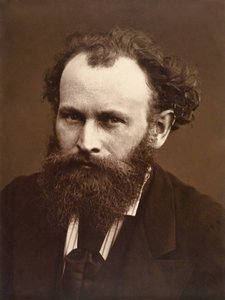
エドゥアール・マネ
1832 - 1883 , フランス
プロフィール概要
- フルネーム: エドゥアール・マネ
- 主な作品:
- déjeuner sur l'herbe
- Olympia
- A Bar at the Folies-Bergère
- 出生地: パリ、フランス
- 国籍: フランス人
- 影響を与えた芸術家:
- クロード・モネ
- ルノワール
- ドガ
- 影響を受けた芸術家:
- カラヴァッジョ
- ベラスケス
- クールベ
- 没年月日: 1883年4月30日
- 生年月日: 1832年1月23日
- 芸術運動: 写実主義、印象派