- ホーム

- キャンバスプリント用
- エドゥアール・マネ
- Boy with a Sword

 手描き複製画を注文する
 シェアする
シェアする シェアする
シェアする
 詳細を見る
詳細を見る

 ダウンロード
 似ている作品
 X線調査
X線調査 スライドショー
Boy with a Sword


 詳細を見る
詳細を見る




P118B $10

P118H $10

P118W $10

P438Z $10

P508JH $12

P508YH $12

P805H $10

P805Z $10

P919BZ $10

P919G $10

P919XJ $10

P959ZH $10

P968JZ $12

W106C $8

W218G $10

W218JH $8

W218Y $10

W307PJ $10

W316G $10

W316PJ $8

W316Y $10

W398PJ $8

W4111J $10

W500HY $15

W500JH $15

W692G $12

W849H $8

W940BG $15

W953PJ $8




作品のオリジナル比率に合わせた、当店の規定サイズからお選びください。

特定のフレームやスペースに合わせて、ご自身でサイズを指定することも可能です。選択されたサイズが元の画像の比率と一致しない場合、作品をトリミングするか、鏡面反射または単色での塗りつぶしによって画像を拡張いたします。制作を開始する前に、ご確認用のデジタルモックアップをお送りいたします。
画面上のプレビューには、実際のトリミングや拡張は反映されませんのでご注意ください。最終的な構図を正確に確認できるのは、モックアップのみとなります。
カスタムサイズも承っておりますが、元の比率を維持するためには、あらかじめ用意されたリストからサイズを選択することをお勧めいたします。


 ガラスオプションは、110cm未満のサイズでのみご利用いただけます。

Boy with a Sword
ジークレー/アートプリント
複製画のサイズ
-


合計金額
-
作品詳細説明
Édouard Manet’s “Boy with a Sword”: A Bridge Between Realism and Modernity
Édouard Manet's "Boy with a Sword," painted in 1861, isn’t merely a portrait; it’s a pivotal moment in the trajectory of modern art. Often overlooked amidst the more flamboyant canvases that defined his career, this seemingly simple work—a young boy posed with a period sword—holds within it a complex interplay of historical reference, artistic innovation, and burgeoning psychological depth. It represents a deliberate step away from the rigid conventions of academic painting and toward a more direct, observational approach to depicting human experience – a hallmark of the Impressionists who would follow.
The genesis of this captivating image lies in Manet’s personal life. His stepson, Léon Koëlla-Leenhoff, a boy of approximately ten years old at the time, served as the model. Manet, deeply influenced by Spanish masters like Velázquez, sought to capture a sense of dignified solemnity reminiscent of the great painter's royal children. The choice of costume—a meticulously recreated seventeenth-century outfit—and the inclusion of the sword are not arbitrary; they’re deliberate nods to artistic tradition and a conscious effort to evoke a specific historical atmosphere. However, Manet doesn’t simply replicate the past; he subtly transforms it, imbuing the boy with an air of vulnerability and quiet contemplation that transcends mere imitation.
A Study in Light, Shadow, and Composition
Technically, “Boy with a Sword” is characterized by its remarkable simplicity. Manet employs a restrained palette—primarily muted browns, grays, and ochres—that emphasizes the textures of the fabric and the boy’s clothing. He utilizes loose brushstrokes and a broken color technique, anticipating Impressionist methods, to create an atmospheric effect rather than a meticulously rendered surface. The lighting is diffused and naturalistic, casting soft shadows that subtly shape the boy's features and contribute to his melancholic expression. Notice how Manet avoids sharp contrasts or dramatic highlights, opting instead for a delicate balance of light and dark.
The composition itself is carefully considered. The boy stands slightly off-center, drawing the viewer’s eye across the canvas. His gaze is averted, suggesting introspection and perhaps even a hint of sadness. The sword, held casually in his hand, acts as both a prop and a symbol—a marker of youthful privilege and potential danger. The background wall, rendered with minimal detail, serves to further isolate the subject and intensify the focus on his emotional state.
Historical Context and Artistic Legacy
Manet’s decision to exhibit “Boy with a Sword” five times between 1862 and 1872 reveals its significance within the evolving art world. Initially, the painting garnered favorable reviews, recognizing Manet's innovative approach to depicting contemporary life. However, it also sparked debate and criticism, particularly regarding its perceived lack of finish and its departure from traditional academic standards. Despite this initial resistance, “Boy with a Sword” played a crucial role in bridging the gap between Realism and Impressionism, paving the way for future generations of artists.
The painting’s eventual donation to The Metropolitan Museum of Art in 1889 marked a significant milestone in Manet's artistic recognition. It signaled a shift in critical opinion and established “Boy with a Sword” as one of his most enduring works. Its influence can be seen in the subsequent paintings of artists like Renoir, Degas, and Monet, who embraced Manet’s emphasis on capturing fleeting moments and conveying subjective experience.
Bringing "Boy with a Sword" into Your Home
At OriginalUniqueArt, we are proud to offer meticulously crafted, hand-painted oil painting reproductions of Édouard Manet’s “Boy with a Sword.” Our artisans replicate the artist's distinctive style and techniques with exceptional detail, ensuring that your reproduction captures the essence of this remarkable masterpiece. Available in sizes ranging from 131 x 93 cm to larger formats, you can bring this iconic work into your own space and enjoy its timeless beauty and profound emotional resonance. Explore our collection today: Édouard Manet: Boy with a Sword and Painting by 'Edouard Manet' | Edouard Manet: Boy with a Sword.
For further insights into Édouard Manet’s life and work, we encourage you to visit Édouard Manet on Wikipedia.
アーティストの略歴
エドゥアール・マネ:近代美術への革命とパリの光
エドゥアール・マネ、1832年パリに裕福なブルジョワ階級の一員として生まれました。法曹や海軍といった堅実な将来が期待されたにも関わらず、彼の心は芸術へと強く惹かれていました。若くして絵画の才能を開花させ、アカデミックな画家トマ・クールへの弟子入りも経験しましたが、その厳格な手法に反発し、独自の道を歩むことを決意します。マネは単なる過去の模倣ではなく、現代パリの鮮やかな光と、時に不穏な現実を捉えることを志向しました。ルーブル美術館に通い詰める彼は、カラヴァッジョやベラスケスといった巨匠から、光と影がどのように形態を彫刻し、感情を喚起するかを学びました。そして、クールベ率いる写実主義の台頭は、マネの創造性を大きく刺激し、歴史画や神話的主題からの解放をもたらしました。伝統との決別:スキャンダルと革新
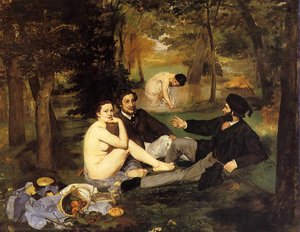
1860年代はパリで激しい芸術的変革期を迎え、マネはその中心に位置していました。日本版画(浮世絵)の到来は、彼の美意識に深い影響を与えました。大胆な構図、鮮やかな色彩、そして平面的な遠近法といった要素に魅せられ、自身の作品に取り入れます。この影響と、アカデミックな技巧への拒絶が相まって、パリのアート界を震撼させるような作品が生み出されました。『草上の昼食』(Le Déjeuner sur l'herbe)は1863年の落選展に出品され、大きな論争を巻き起こしました。裸婦が着衣した男性たちとピクニックを楽しむという構図は、従来のヌード絵画とは一線を画していました。マネの描くヌードは、理想化された美しさや神話的な背景を持たず、現代的で、見る者に衝撃を与える直接性を持っていました。『草上の昼食』のスキャンダルは、1865年の傑作『 Olympia 』によってさらに激化します。これはティツィアーノの『ウルビーノのヴィーナス』を大胆に再解釈した作品であり、現代の娼婦が鑑賞者を見つめ返す姿を描いています。その率直なリアリズムと挑発的な主題は、広範な非難を浴びましたが、その裏にはマネが絵画の表現様式を根本的に変革しているという認識がありました。印象主義への橋渡し:光、筆致、そして現代生活
マネ自身は「印象派」とのレッテルを嫌い、写実主義者として自己を規定しましたが、その影響は彼らの芸術に計り知れません。マネもまた、アカデミックな慣習からの脱却と、光の効果や大気の描写へのコミットメントを共有していました。モネ、ルノワール、ドガといった画家たちと共に独立展に参加し、前衛芸術における重要な位置を確立しました。マネの技法はより自由な筆致へと進化し、正確な細部よりも形態の印象を優先するようになりました。色彩も実験的に用いられ、劇的な効果を生み出す鮮やかなコントラストが特徴です。スキャンダルを巻き起こしたヌード作品以外にも、妻スザンヌや作家エミール・ゾラの肖像画、パリの夜の賑わいを描いた『モンマルトルの飲み屋』など、幅広い主題を探求しました。彼は単にこれらの主題を描写するだけでなく、社会規範を問い直し、美の慣習的な概念に挑戦していました。遺産と持続的な影響
エドゥアール・マネは1883年の若年期の死(梅毒による)によって、すでに芸術史の流れを変えていたキャリアを途絶えさせました。彼の評判は死後大きく高まりましたが、その影響はすぐに若い世代のアーティストたちに及んでいます。マネは伝統的な主題、技法、そして芸術的目的に対する障壁を取り払い、解放者として迎えられました。- 現代生活の描写への重点は、印象派や新印象派へと道を開きました。
- 革新的な筆致と色彩の使用は、後世の画家たちに影響を与えました。
- 不快な真実を社会に突きつける姿勢は、鑑賞者に自身の前提を問い直させました。
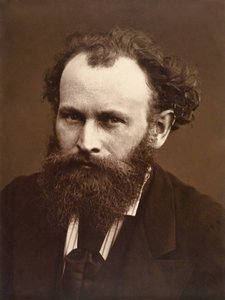
エドゥアール・マネ
1832 - 1883 , フランス
基本情報
- フルネーム: エドゥアール・マネ
- 主な作品:
- déjeuner sur l'herbe
- Olympia
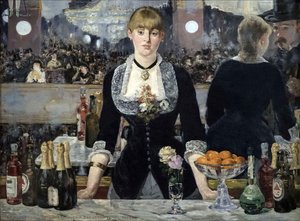
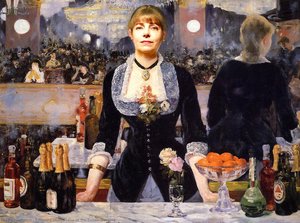
- A Bar at the Folies-Bergère
- 出生地: パリ、フランス
- 国籍: フランス人
- 影響を与えた芸術家:
- クロード・モネ
- ルノワール
- ドガ
- 影響を受けた芸術家:
- カラヴァッジョ
- ベラスケス
- クールベ
- 没年月日: 1883年4月30日
- 生年月日: 1832年1月23日
- 芸術運動: 写実主義、印象派
関連記事
エドゥアール・マネ傑作25選:印象派の革新とモダンアートの世界 | OriginalUniqueArt
エドゥアール・マネの傑作25選🎨印象派を代表する画家、マネの世界を旅する。油絵「草上の昼食」や「オランピア」…革新的な色彩とモダンアートの魅力をOriginalUniqueArtで。高品質なアートプリントで、お部屋に芸術を🖼️

Impressionistic Realism's Finest: 10 Masterpieces for Your Home | OriginalUniqueArt
Journey through Impressionistic Realism with 10 iconic masterpieces by Monet, Renoir & Van Gogh. Explore art history, techniques & find museum-quality reproductions for your home at OriginalUniqueArt.com. Discover all masterpieces online!

Impressionism's Masterpieces: 10 Paintings That Defined a Movement | OriginalUniqueArt
Journey through Impressionism's heart with 10 iconic paintings by Monet, Renoir & Degas. Explore light, color & the stories behind these masterpieces. Find museum-quality art reproductions and elevate your home decor on OriginalUniqueArt.com.
Édouard Manet: Pioneering Modernism & Challenging Artistic Conventions
Explore the life & art of Édouard Manet, a pivotal figure bridging Realism and Impressionism. Discover his revolutionary techniques, controversial masterpieces like 'Olympia,' and lasting impact on modern art history.
Romantic Realism's Finest: 10 Masterpieces for Your Home | OriginalUniqueArt
Explore 10 defining masterpieces of Romantic Realism! Discover Courbet, Millet & Daumier's powerful paintings—capturing emotion and social realities. Find museum-quality reproductions for your home at OriginalUniqueArt.com.