
 シェアする
シェアする シェアする
シェアする
 詳細を見る
詳細を見る ガイドを表示

 ダウンロード
 似ている作品
 スライドショーを表示
 Q&A
Q&A 統計情報
統計情報Mascara


 詳細を表示
詳細を表示
このページに掲載されている作品は著作権法によって保護されており、当社の許可なく同一の複製物を制作または販売することは法律で禁じられています。この保護は、以下のような国際条約に基づき執行されます。 ベルヌ条約 および、以下の条項に定められたものを含む各国の法律により、 米国著作権法 第17編。
この手法は、著作権で保護された作品の複製や複写を伴わないため、著作権法に完全に準拠しています。これは単なる模倣ではなく、創造的な再解釈です。元の作品からインスピレーションを受けつつも、それとは異なる、全く新しい絵画を生み出すものです。
ジークレー/アートプリント
スピーディーな制作と多彩な仕上げオプションが魅力の、ミュージアムクオリティなジークレー・キャンバスプリント。 ( 手描き複製画を注文する デジタル画像販売へ切り替え)




































作品のオリジナル比率に合わせた、当店の規定サイズからお選びください。

額縁や壁のスペースに合わせて、ご希望の幅と高さを入力してください。プリントはカットすることは可能ですが、元の画像より大きくすることはできないため、異なる比率のサイズを選択された場合は、画像の一部が欠けることになります。印刷を開始する前に、内容を確認していただくためのデジタルモックアップをお送りいたします。このページに表示されている画像は、実際のカット後の状態を示すものではありません。実際の仕上がりはモックアップにてご確認ください。


 ガラスオプションは、110cm未満のサイズでのみご利用いただけます。

Mascara
ジークレー/アートプリント
複製画サイズ一覧
-


合計金額
¥ 12795
The Industrial Soul of Abstract Form
In the realm of mid-century abstraction, few works command the room with such rhythmic precision as Mascara. Created in 1974 by the Colombian master Édgar Negret, this sculpture serves as a profound testament to the beauty found within the mechanical and the geometric. At first glance, the viewer is struck by its vibrant, commanding presence—a bold interplay of curves and structural lines that seem to dance between stability and motion. The piece is not merely an object of contemplation but a dynamic entity that captures the very essence of constructivism, inviting the eye to trace its sinuous paths and contemplate the strength inherent in its metallic silhouette.
The sculpture’s aesthetic power lies in its masterful use of material and color. Executed in painted aluminum and wood, Mascara transcends the coldness often associated with industrial mediums. Negret, a pioneer who transitioned from the organic softness of stone to the sharp, modern language of metal, utilizes the reflective and structural properties of aluminum to create a sense of weightlessness. The striking red hue acts as a visual heartbeat, transforming the abstract geometry into a focal point that radiates energy. For the discerning collector or interior designer, this piece offers a sophisticated way to introduce a sense of modernist drama and architectural rigor into a contemporary space.
A Legacy of Modernist Innovation
To understand the emotional resonance of Mascara, one must look back to Negret’s transformative journey through the landscape of 20th-century art. Influenced by the monumental simplicity of Brancusi and the organic abstractions of Jean Arp, Negret began his career exploring the tactile intimacy of stone. However, it was his revolutionary shift toward metalworking in the 1950s that allowed him to truly engage with the pulse of the modern age. This transition was more than a change in medium; it was a philosophical evolution toward celebrating the industrial, the modular, and the interconnected.
In Mascara, we see the culmination of this lifelong pursuit of balance. The sculpture embodies a unique tension between the precision of machine-like assembly and a deeply spiritual, almost meditative, quality. Negret’s work often seeks to reconcile the disparate worlds of technology and transcendence, much like the Zen Buddhist influences that informed his later thought. As such, the piece does not just occupy space; it defines it, offering a sense of structured peace. For those seeking to curate an environment of intellectual depth and aesthetic prestige, this reproduction provides an unparalleled opportunity to possess a fragment of Colombian art history—a piece where the industrial meets the eternal.
作家プロフィール
エドガー・ネグレ:コロンビア抽象彫刻の先駆者
エドガー・ネグレ(1920 – 2012)は、コロンビア美術史における記念碑的な存在です。抽象彫刻への独創的なアプローチと、形態、物質性、そして精神的な瞑想の交差点を探求し続けたその揺るぎない献身により、世界的に高く評価されています。コロンビアのパパヤンに生まれたネグレの芸術的旅路は、ジャン・アルプやコンスタンティン・ブランクーシといった欧州モダニズムからの形成的な影響とともに始まり、彫刻媒体としての石を用いた初期の探求を形作っていきました。
- 初期の教育と影響:ネグレはコロン世紀のカリにある美術学校(Escuela de Bellas Artes)で正式な修行を積み、ヘスス・マリア・エスピノサのもとでその技術を磨きました。彼の初期の芸術的傾向は、ブランクーシやアルプといった芸術家たちの様式的関心を反映し、欧州モダニズムの美学へと向かっていました。
- 金属工作への転換(1950年代):ネグレのキャリアにおける決定的な瞬間は、1950年代初頭に金属工作を取り入れたことでした。この転換は石からの決定的な決別を意味し、彼をコンストラクティヴィズム(構成主義)の領域へと押し上げ、幾何学的な形態と工業用素材を特徴とする新しい視覚的語彙を確立させました。
- 評価と受賞:彼の芸術的な躍進は1955年、彫刻作品『マスカラ(Mascara)』がニューヨーク近代美術館(MoMA)に収蔵されたことで訪れ、国際的なアートシーンにおける新進気鋭の才能としての地位を固めました。その後も、コロンビア・アーティスト・サロン賞(1963年)やヴェネツィア・ビエンナーレでのデビッド・E・ブライト彫刻賞(1968年)など、その革新的な彫刻的ヴィジョンを認める数々の栄誉に輝きました。
ネグレの芸術哲学は、一見すると相容れない「彫刻」と「精神性」という二つの領域を調和させることにありました。そこには、禅仏教をはじめとする東洋の哲学的な伝統への深い関わりが反映されています。彼は具象的な芸術を超越し、より深い意味を伝えるための媒体として、純粋な形態と物質性を優先させたのです。
「魔法の機械」と構成主義的美学
ネグレの最も象徴的なシリーズといえば、おそらく1957年に制作された『魔法の機械(Magic Machines)』でしょう。主にアルミニウムで造られたこれらの彫刻は、構成主義の原理と有機的な形態が見事に融合した傑作です。ガウディの建築的な壮大さにインスピレーションを受け、アレクサンダー・カルダーの探求に影響を受けたネグレは、繰り返される幾何学的なモジュールを用いることで、工業的な精密さと自然なリズムを同時に想起させるダイナミックな構成を生み出しました。
- 素材の探求:アルミニウムに対するネグレの緻覚な操作——しばしばマットな塗料を施す手法——は、質感の探求と視覚的な繊細さへの強いこだわりを示しています。
- 禅仏教の影響:「空(くう)」や「相互のつながり」といった禅仏教の概念に対する芸術家の執着は、彼の芸術実践に浸透し、彫刻が持つ瞑想的な質を形作りました。
制度的評価と遺産
1985年、ネグレは自身の膨大な作品群を展示し、コロンビアの芸術愛好家たちの灯台となるべく「ムセオ・ネグレ(Museo Negret)」を設立しました。この取り組みは、芸術的な知識を普及させ、アーティストと観客の間の対話を促進するという彼の揺るぎない信念を強調するものでした。
- ムセオ・ネグレ:この美術館のコレクションは、ネグレの芸術的進化と、ラテンアメリカ彫刻というより広い文脈への貢献を研究するための極めて貴重な資源となっています。
- Google Doodleによる追悼(2016年):
2016年、Googleが彼の96歳の誕生日を記念した際、ネグレの生涯と遺産に心温まる賛辞が送られました。これは、コロンビア文化における彼の永続的な影響力を改めて証明するものとなりました。
代表作と芸術的スタイル
ネグレの最も名高い作品には、『Sol(太陽)』、『Navigators(航海者)』などがあります。これらの彫刻は、幾何学的な抽象化、緻密な職人技、そして工業的な物質性と有機的な形態の調和のとれた融合という、彼独自のスタイルを体現しています。彼の作品は今なお世界中のアーティストにインスピレーションを与え続けており、芸術的ヴィジョンが持つ変革の力を物語る証となっています。
- 幾何学的抽象:ネグレの彫刻は、禅仏教に根ざした概念的なアイデアを伝えるために、しばしば繰り返されるモジュールを用いた純粋な幾何学的形態を優先させています。
- 物質性と質感:彼はアルミニウムのような工業用素材を巧みに使いこなし、マットな塗料や入念な表面処理を通じて、驚くべき質感の効果を実現しました。
エドガー・ネグレの不朽の遺産は、単なる芸術的な達成にとどまりません。それは、芸術と精神性の間の対話を育もうとした彼の揺るぎない献身の中に存在しています。その探求こそが、彼をコロンビアで最も影響力のある彫刻家の一人とし、近代ラテンアメリカ美術の先見的な開拓者としての地位を確固たるものにしたのです。

エドガー・ネグレト
1920 - 2012 , コロンビア
プロフィール概要
- Artistic Movement Or Style: 抽象彫刻、構成主義
- Artists Or Movements Influenced By This Artist:
- ルイーズ・ネヴェルソン
- エルズワース・ケリー
- Artists Who Influenced This Artist:
- ジャン・アルプ
- コンスタンティン・ブランクーシ
- ホルヘ・デ・オテイザ
- Date Of Birth: 1920年10月11日
- Date Of Death: 2012年10月11日
- Full Name: エドガー・ネグレ・ドゥエニャス
- Nationality: コロンビア人
- Notable Artworks:
- マジック・マシンズ (Magic Machines)
- タイトル翻訳: ナビゲーターズ (Navigators)
- ソル (Sol)
- Place Of Birth: コロンビア、パパイア
関連記事
Beyond Form & Color: Geometric Abstraction's Enduring Legacy in Art History
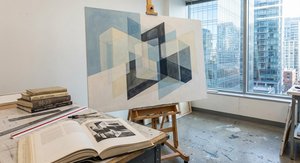
Explore the captivating world of geometric abstraction! Discover its origins, key artists like Malevich & Mondrian, and why this movement remains highly valued by art collectors today. Expert insights at OriginalUniqueArt.

Beyond Form & Color: Geometric Abstraction's Evolution in 20th/21st Century Art
Explore the evolution of geometric abstraction from Cubism to contemporary art. Discover key artists like Malevich & Mondrian, investment insights, and expert collecting advice at OriginalUniqueArt.

幾何学的抽象絵画を定義した傑作10選|アート、アーティスト、インテリア装飾
モンドリアン、マレーヴィチ…幾何学的抽象絵画を代表する傑作10選。各作品の背景や色彩構成、アーティストの情熱に迫ります。美術館品質の複製画はOriginalUniqueArt.comで。オンラインでアートコレクションをご覧ください。

Bronze Sculptures That Defined Art History | OriginalUniqueArt
Journey through art history with our Top 10 bronze sculptures! Explore masterpieces by Rodin, Michelangelo & more. Discover stories behind iconic statues and find museum-quality reproductions for your home decor at OriginalUniqueArt.com.

Neo-Abstract Art: The High-Impact Evolution of Modern Visual Energy and Geometric Sophistication
Discover the power of Neo-Abstract art. Explore how bold geometric forms and high-impact visual energy are redefining modern design. Learn to curate sophisticated, high-energy spaces with the latest trends in contemporary abstraction and structural color.