

 設置イメージを確認
 送る
送る シェア
シェア
 詳細情報
詳細情報 ガイドを表示

 画像をダウンロード
 似ている作品
 X線調査
X線調査 スライドショー
 Q&A
Q&A 統計情報
統計情報Table centrepiece


 続きを読む
続きを読む
このページに掲載されている作品は著作権法によって保護されており、当社の許可なく同一の複製物を制作または販売することは法律で禁じられています。この保護は、以下のような国際条約に基づき執行されます。 ベルヌ条約 および、以下の条項に定められたものを含む各国の法律により、 米国著作権法 第17編。
この手法は、著作権で保護された作品の複製や複写を伴わないため、著作権法に完全に準拠しています。これは単なる模倣ではなく、創造的な再解釈です。元の作品からインスピレーションを受けつつも、それとは異なる、全く新しい絵画を生み出すものです。
ジークレー/アートプリント
スピーディーな制作と多彩な仕上げオプションが魅力の、ミュージアムクオリティなジークレー・キャンバスプリント。 ( 手描きの複製画を注文する デジタル画像販売へ切り替え)




































作品のオリジナル比率に合わせた、当店の規定サイズからお選びください。

額縁や壁のスペースに合わせて、ご希望の幅と高さを入力してください。プリントはカットすることは可能ですが、元の画像より大きくすることはできないため、異なる比率のサイズを選択された場合は、画像の一部が欠けることになります。印刷を開始する前に、内容を確認していただくためのデジタルモックアップをお送りいたします。このページに表示されている画像は、実際のカット後の状態を示すものではありません。実際の仕上がりはモックアップにてご確認ください。


 ガラスオプションは、110cm未満のサイズでのみご利用いただけます。

Table centrepiece
ジークレー/アートプリント
複製画サイズ一覧
-


合計金額
¥ 12587
アーティストについて
A Legacy in Silver and Gold: The Ed. Wollenweber Workshop
The name Ed. Wollenweber Workshop evokes a sense of refined elegance and meticulous craftsmanship, transporting us back to the heart of 19th-century Munich. More than simply goldsmiths, the Wollens were artisans who translated societal aspirations for beauty and status into tangible forms—exquisite silver and gold objects that continue to captivate today. Established in the bustling artistic environment of Bavaria’s capital, the firm operated as a family enterprise, guided by two generations of Eduard Wollenweber: father and son, both dedicated to upholding standards of exceptional quality.
The Foundations of Excellence
Born in Munich in 1822, the elder Eduard Wollenweber laid the groundwork for a workshop that would become synonymous with luxury. While detailed biographical information remains scarce, it’s clear his early training and innate artistic sensibility propelled him to establish a thriving business. The mid-19th century witnessed a growing demand for decorative arts among the burgeoning middle class and aristocracy alike, creating fertile ground for skilled artisans like Wollenweber. He quickly garnered recognition for his ability to execute intricate designs with unparalleled precision, focusing on precious metals—silver and gold—as his primary mediums. The workshop wasn’t merely about production; it was a commitment to artistry, where each piece reflected hours of dedicated labor and a deep understanding of form and embellishment.
A Style Defined by Detail
The Ed. Wollenweber Workshop distinguished itself through its distinctive aesthetic—a harmonious blend of neoclassical grace and baroque opulence. Their pieces weren’t starkly minimalist; instead, they embraced ornamentation, featuring elaborate relief work, delicate engraving, and the strategic application of parcel-gilt detailing to accentuate key elements. This technique, where select areas are gilded with gold leaf, added a layer of richness and visual complexity. A prime example is their celebrated 1887 silver centerpiece, a stunning testament to this style. The piece showcases an intricate composition brimming with classical motifs, demonstrating the workshop’s mastery of both sculptural form and surface decoration. Alongside centerpieces, tankards also emerged as signature creations, reflecting the era's appreciation for functional objects elevated to artistic status.
Passing Down a Tradition
The continuity of the Ed. Wollenweber Workshop is particularly noteworthy. The younger Eduard seamlessly inherited his father’s skills and dedication, ensuring the firm maintained its reputation for excellence well into the late 19th century. This familial transfer of knowledge was crucial in preserving the workshop's unique style and techniques. Interestingly, the legacy extends beyond the realm of art; Dominik Wollenweber, the son of the younger Eduard, pursued a career as a cor anglais player with the esteemed Berliner Philharmoniker—a testament to the family’s broader artistic inclinations. This detail underscores that creativity wasn't confined to metalwork but permeated generations.
Historical Significance and Enduring Appeal
The Ed. Wollenweber Workshop occupies an important, though often understated, position within the history of 19th-century decorative arts. Their work provides valuable insight into the tastes and values of the period—a time marked by a revival of historical styles and a growing appreciation for refined craftsmanship. While not producing large-scale paintings or sculptures, their silver and gold creations were integral to the aesthetic landscape of Munich’s elite circles. Today, these pieces are sought after by collectors who appreciate their beauty, artistry, and the story they tell—a narrative of familial dedication, meticulous technique, and a lasting legacy in the world of fine craftsmanship. The workshop's enduring appeal lies not only in the exquisite detail of its creations but also in the sense of history and tradition they embody.

Ed. Wollenweber Workshop
1822 - , Germany
アーティスト情報
- Artistic Movement Or Style: Goldsmithing
- Date Of Birth: 1822
- Full Name: Ed. Wollenweber Workshop
- Nationality: German
- Notable Artworks:
- Table centrepiece
- Tankard
- Place Of Birth: Munich, Germany
関連記事

The Elegance of Art Nouveau: Embracing Nature's Fluid Beauty and the Belle Époque Spirit
Discover the enchanting world of Art Nouveau. Explore the organic beauty, flowing lines, and Belle Époque elegance that defined an era of unparalleled craftsmanship and natural inspiration.

The Elegance of Art Nouveau: Discovering Beauty in Nature’s Sinuous Curves and the Belle Époque Spirit
Immerse yourself in the romantic allure of Art Nouveau. Explore the sinuous curves and floral elegance of the Belle Époque through our exquisite, hand-painted reproductions. Discover a timeless connection to nature’s beauty with our museum-quality collection.
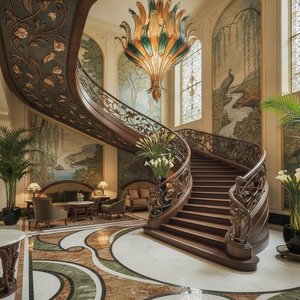
Art Nouveau Guide: Integrating Elegant Curves and Organic Design into Luxury Hotel Interiors
Master Art Nouveau integration for luxury hotel interiors. Discover expert strategies for utilizing organic curves, whiplash lines, and botanical motifs to create sophisticated, high-end hospitality spaces with scalable, professional art procurement solutions.
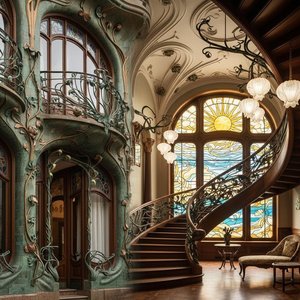
Art Nouveau: The Elegant Fusion of Nature and Design – A Journey Through Organic Sophistication
Discover the exquisite world of Art Nouveau. Explore the elegant fusion of nature and design through architectural masterpieces, organic forms, and the legendary masters of the Belle Époque. Immerse yourself in a journey of timeless sophistication and ornamental beauty.
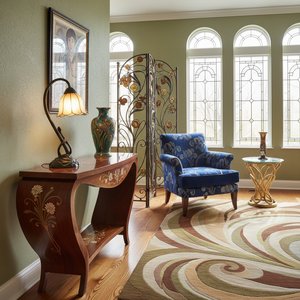
アール・ヌーヴォーを彩る至宝:10の傑作が語る芸術と装飾の世界
アール・ヌーヴォーの魅力を再発見!ムンロ、ドレ、ガウディ…10の傑作が織りなす曲線美の世界。芸術と装飾が融合した至高のアートをOriginalUniqueArtで堪能し、お部屋に新たな彩りを。コレクションをオンラインで探索しましょう。